A New Era of Production
Picture this: a small business owner sits at their desk, staring at a spreadsheet brimming with last month’s inventory numbers. It’s a familiar scenario in today’s fast-paced market. According to recent surveys, over 60% of small to medium enterprises struggle with overproduction and unsold inventory. This is where on demand manufacturing services come into play. They offer a lifeline, enabling businesses like yours to produce only what’s necessary, cutting costs and waste significantly. But how do we navigate this new landscape effectively?
Understanding Common Challenges
When I first delved into on demand manufacturing, I quickly learned that traditional methods often leave much to be desired. Take the example of a local artisan I knew, who faced crippling delays due to lengthy supply chains. She often expressed her frustration at being stuck with excess materials, which brought me to a realization: not only does on demand manufacturing streamline production, but it also empowers creatives to bring their ideas to market faster. See, traditional solutions can be sluggish, leading to missed opportunities, like the time she lost her chance to capitalize on a seasonal trend. Trust me, that’s a tough pill to swallow.
What Is Driving the Change?
As we move forward, adapting to the demands of consumers is crucial. Today’s buyers want personalized products delivered rapidly, all while keeping costs low. On demand manufacturing services can fulfill this need seamlessly. They utilize cutting-edge technologies, such as 3D printing and advanced robotics, to ensure efficiency and precision in production. By embracing these innovations, we can reshape the way we think about manufacturing—shaping it to be more responsive, flexible, and sustainable.
The Road Ahead
Looking towards the future, it’s essential to ponder the possibilities. Imagine a manufacturing model that not only reacts to current market demands but also predicts them. AI-driven analytics are becoming instrumental, allowing businesses to foresee trends and plan accordingly. For companies employing on demand manufacturing services, this can mean a transformative shift, decreasing lead times and enhancing customer satisfaction. That’s not just theoretical; I’ve seen it firsthand while working with startups that have slashed their production cycles in half by utilizing flexible manufacturing techniques.

Real-world Impact
Reflecting on my experiences, I can confidently state that the integration of on demand manufacturing is more than a trend; it’s a necessity for modern businesses. Just last summer, I collaborated with a local startup that was struggling to keep up with the demands for custom bicycle parts. By using on demand services, they not only minimized excess inventory but also tailored their offerings to customer preferences—leading to a 40% increase in sales over three months. It goes to show, adapting to this manufacturing model can yield incredible results.
Final Thoughts: The Importance of Adaptation
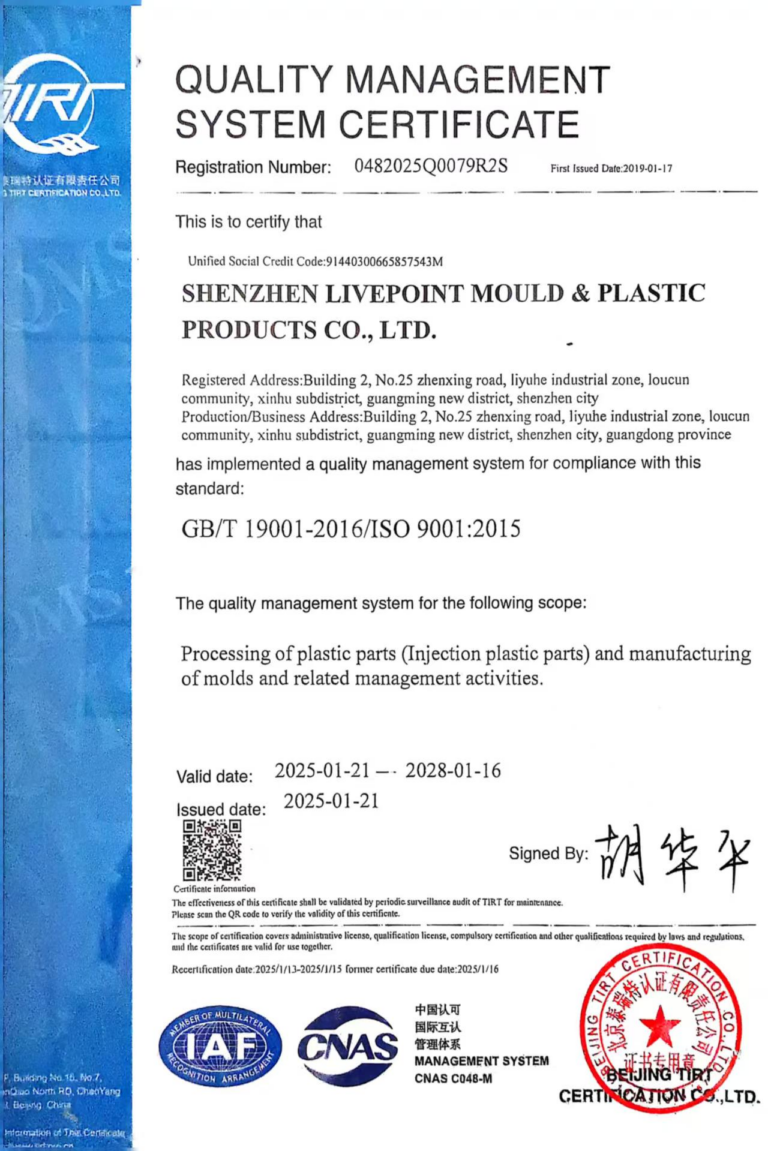
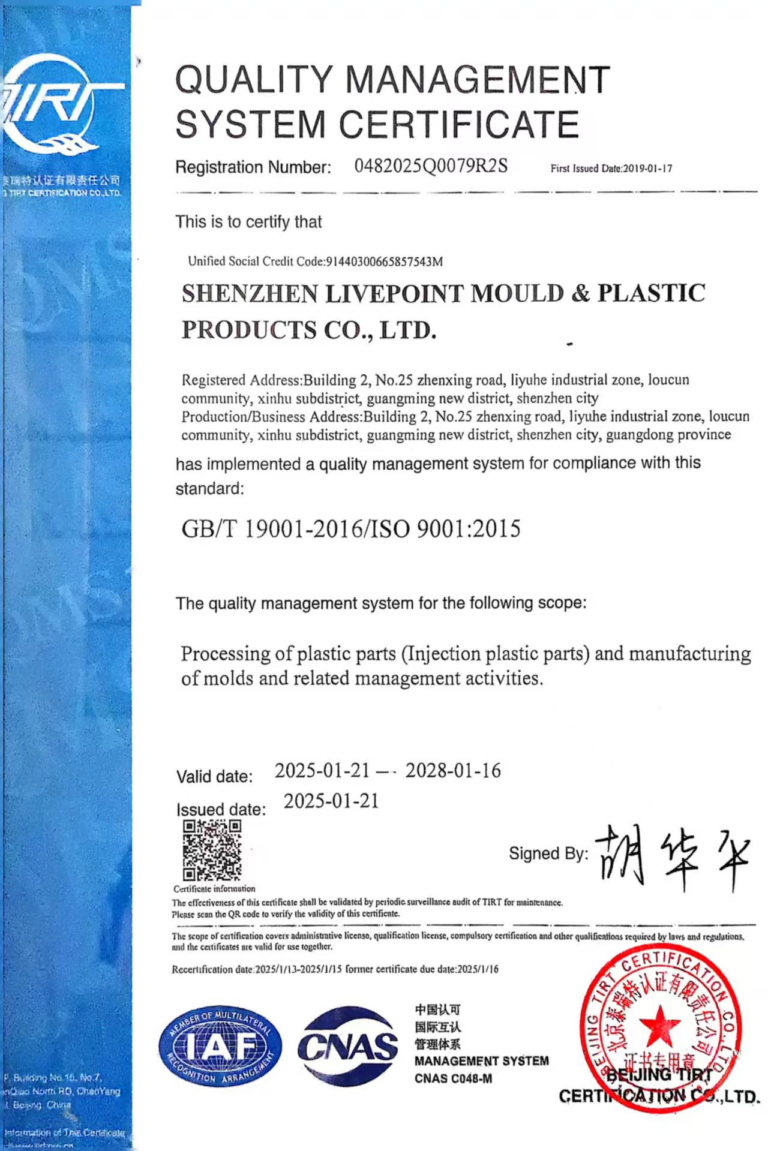
I firmly believe that embracing on demand manufacturing is the way forward. It’s not simply about keeping up with the competition; it’s about redefining your business approach entirely. As I’ve observed, being agile—able to pivot quickly in response to market changes—has become essential. I’d like to offer three key metrics to evaluate whether an on demand service suits your business: time to market, inventory holding costs, and flexibility in production. Pay attention to these, and you’ll be well on your way to revolutionizing your production strategies. Ultimately, if you want to stay ahead, consider investing time into exploring options like Livepoint, known for their cutting-edge solutions.