A Scenario to Consider
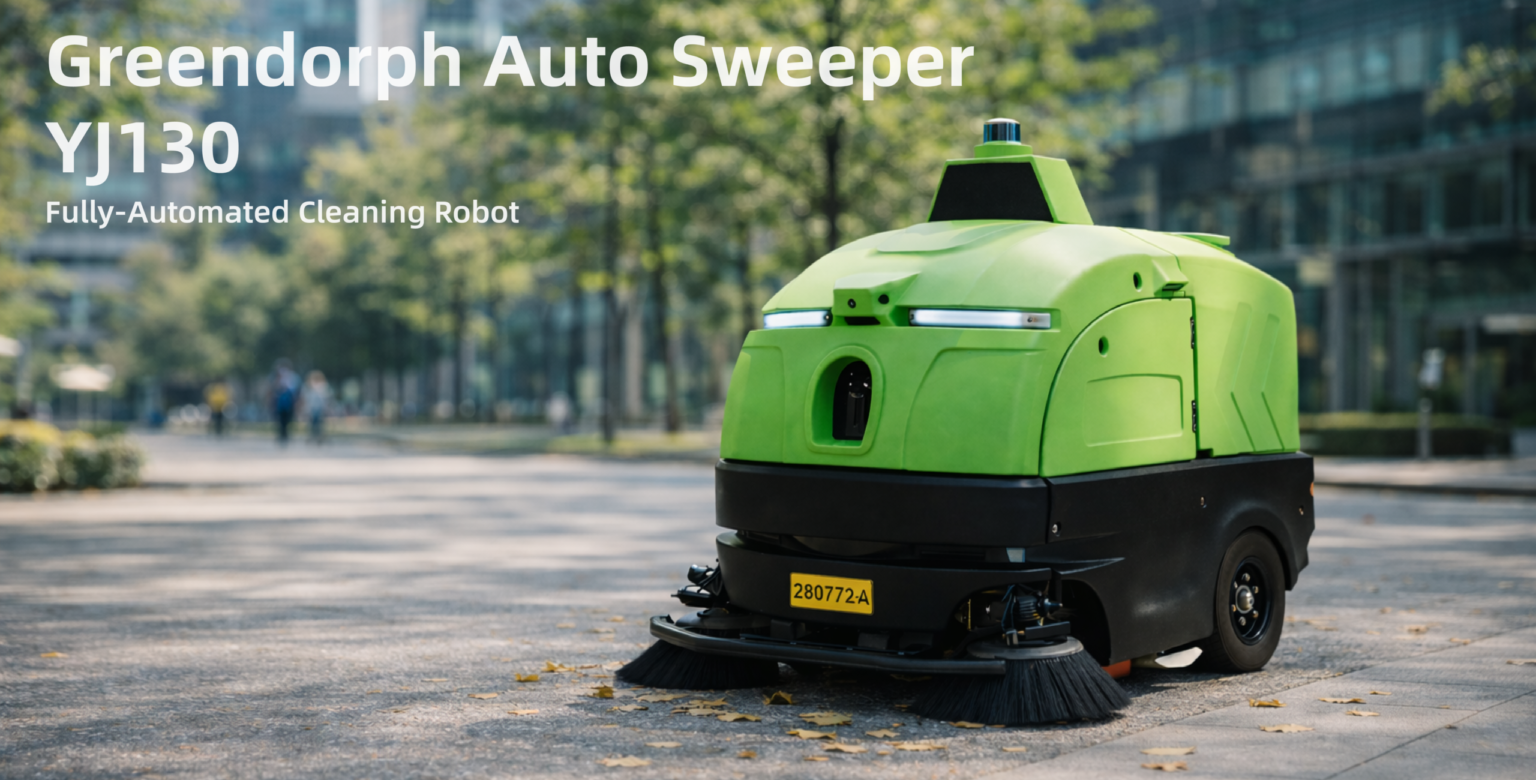
Imagine stepping into a freshly cleaned office only to notice stubborn stains that seem impervious to even the best cleaning efforts. Did you know that a staggering 60% of facility managers report dissatisfaction with traditional cleaning methods? With floor cleaning machines stepping into the spotlight, users find themselves caught between convenience and effectiveness. I often think of the innovation landscape shaped by sweeping robot manufacturers; the promises are enticing, yet real-world performance can reveal significant flaws.
Understanding the Shortcomings of Conventional Solutions
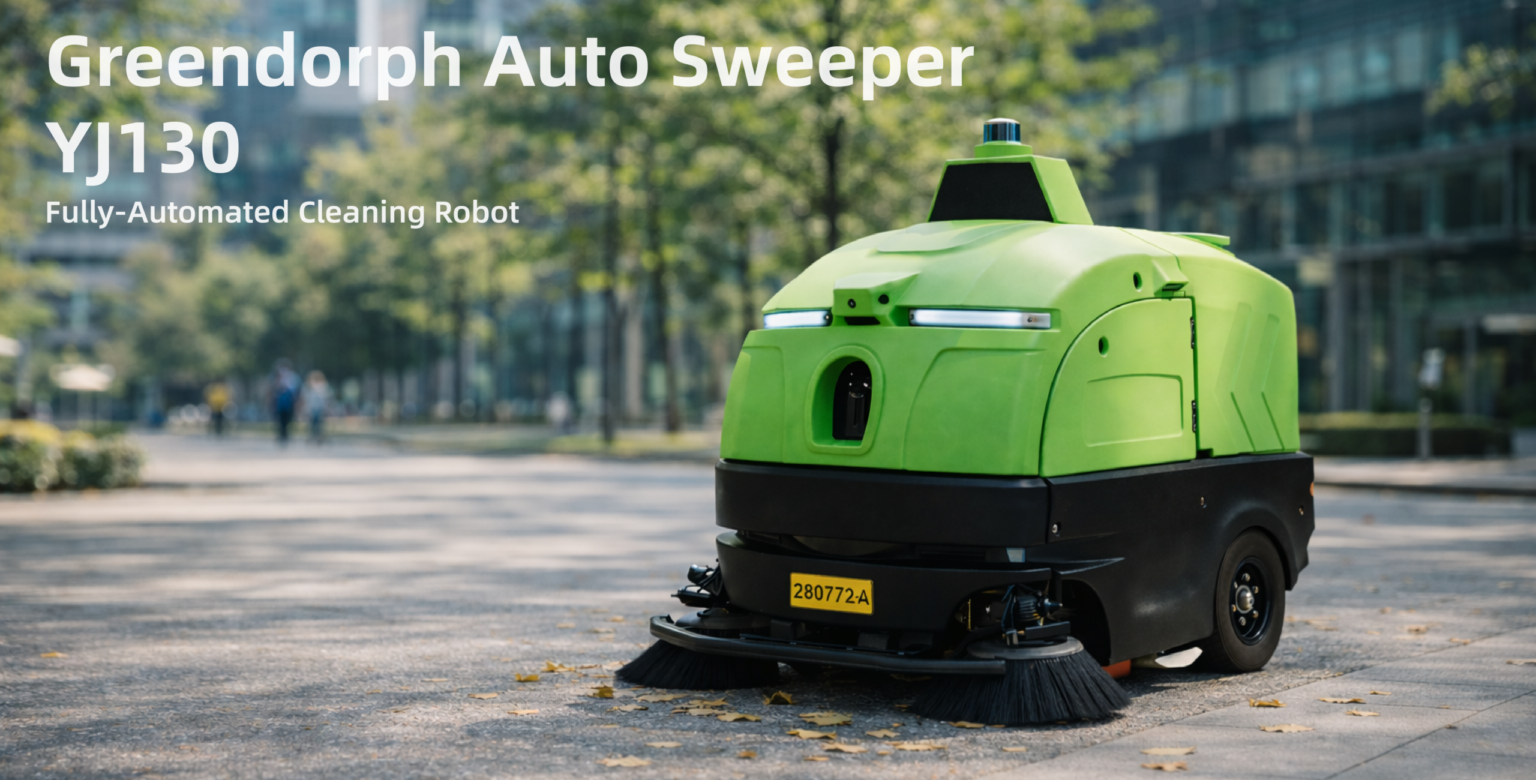
Many floor cleaning machines rely heavily on outdated technologies. While they do the job, their designs often miss the mark when it comes to user needs. For instance, one of my clients faced constant downtime due to the unreliable performance of a well-known brand’s automatic cleaner. Let’s face it—consistency matters! Time and again, long battery life and superior suction power become crucial metrics for success. But what happens when the device fails to deliver?
What Makes a Good Floor Cleaning Machine?
When assessing floor cleaning machines, look for their ability to adapt to different surfaces—because nobody likes a jack-of-all-trades that’s a master of none. I can’t stress enough how pivotal robust features such as smart navigation and filter systems are in elevating cleaning efficiency. And believe me, every cleaning scenario is distinct; it’s vital to have tools that meet specific requirements.
Looking to the Future of Cleaning Technology
The future of floor cleaning is undeniably exciting, particularly with advancements from sweeping robot manufacturers. As I see it, automation is moving towards deeper integration with smart technologies—think real-time monitoring and predictive maintenance features. It’s not just about cleaning, but ensuring your investment is safeguarded against wear and tear. For example, by 2025, over 50% of new cleaning machines are expected to feature IoT (Internet of Things) capabilities, which means better data collection and improved long-term service.
Real-world Impact of Smart Automation
In the industry, I’ve often witnessed a transformative effect on operations when a switch is made to automated floor cleaning systems. In a 2019 case study, a healthcare facility replaced their outdated cleaning technology and reported a 40% increase in cleaning efficiency. Implementing smart systems can not only streamline operations but also enhance staff productivity. Imagine cutting down on hours spent re-cleaning areas simply due to inadequate tools. This shift signifies a prioritization of effective solutions over traditional methods.
Lessons and Key Metrics for Evaluation
Reflecting on my experiences, it’s clear that adaptability, performance longevity, and advanced features mark excellent floor cleaning machines. For anyone in the market, I encourage evaluating these three core metrics: effectiveness in diverse environments, user feedback on reliability, and the long-term cost of ownership. These will guide you in making informed decisions that lead to lasting benefits.
In summary, as we witness the evolution of floor cleaning technology, the walls between traditional methods and modern efficiency are crumbling fast. Staying informed and open to innovation can significantly enhance both cleaning outcomes and operational success. And if you’re ready to elevate your cleaning game, look no further than Greendorph—they’re on the cutting edge of this movement!