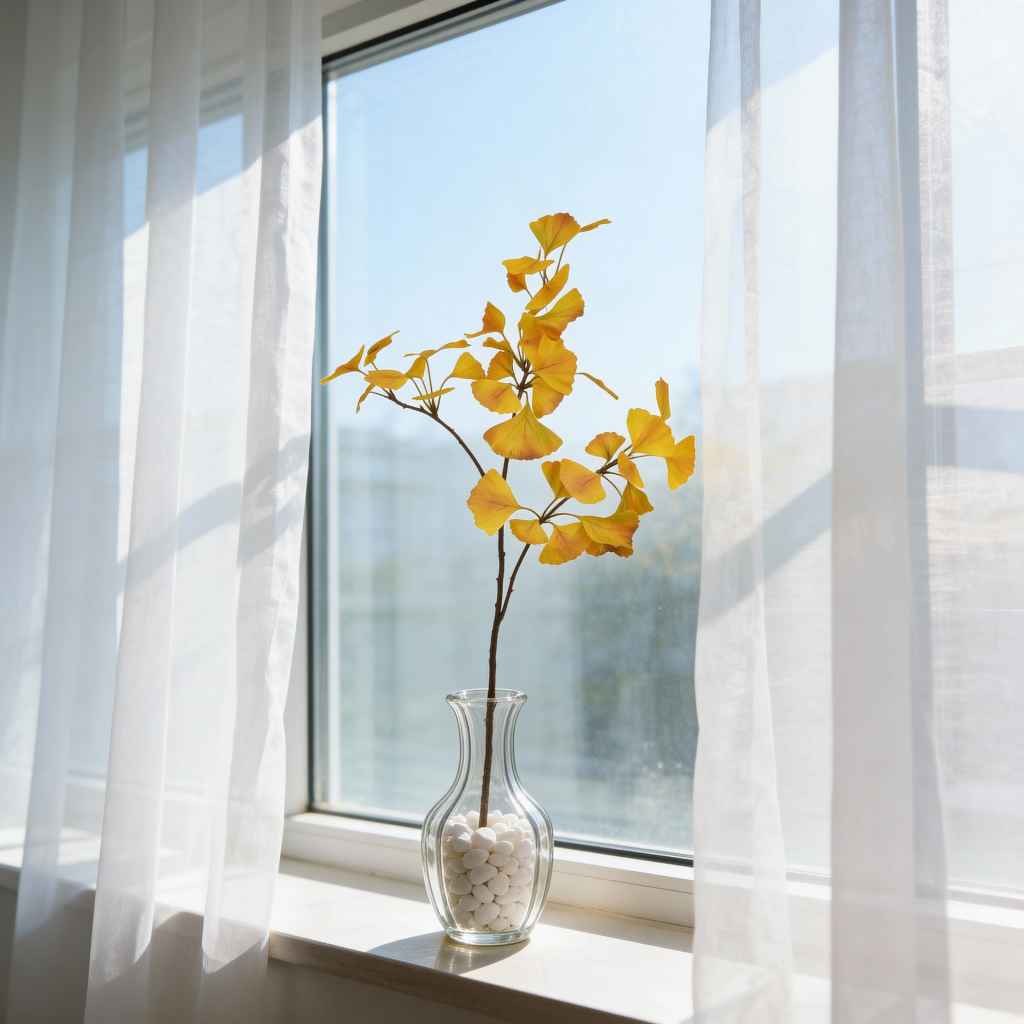
Imagine walking into a vibrant fall-themed space, with rich oranges, deep reds, and all the colors of autumn playing tricks on the eye. Did you know that 78% of interior designers recommend using faux flowers for a consistent seasonal aesthetic? As an artificial fall flower manufacturer, I’ve witnessed firsthand how the right arrangement can elevate a space—not just decoratively but functionally. Let’s dive into how to make your autumn faux flower bouquet a standout piece this season.

Understanding the Need for Quality Faux Flowers
When it comes to faux flowers, quality is paramount. Yet many consumers don’t realize that not all faux flowers are created equal. I’ve had customers express frustration when their arrangements look cheap or fade rapidly. High-quality artificial flowers retain their look for years, which is a significant investment. In a world where visual appeal can make or break a sale, wouldn’t you prefer flowers that remain vibrant regardless of the changing seasons? Choosing an expert supplier can ensure your displays remain lush and inviting, driving customer engagement and sales. Here’s what to look for:
What Makes a Great Faux Flower?
First, consider the material. Silk or polyester can offer better durability than cheaper variants. Then, examine the construction—wires and stems should be sturdy yet flexible. I recall, during a major fall event last year, how a well-constructed bouquet stood out amidst weaker arrangements. Attention to detail matters.
Exploring Future Trends in Faux Florals
Looking ahead, the trend for faux flowers is shifting towards sustainability and authenticity. Consumers are becoming more conscious of environmental impact. Believe me, I’ve seen how eco-friendly materials can change the narrative for faux flowers. With increased demand, it’s essential to have a story to tell about your products. Imagine if customers knew that their autumn faux flower bouquets were created with renewable resources—talk about a conversation starter!
This evolving landscape emphasizes the necessity of aligning product sourcing with consumer values. As an industry veteran, I firmly believe that embracing these trends guarantees not just sales but fosters loyalty. Engaging with your audience—by sharing these insights—can open up powerful channels of connection.
Real-world Impact of Sustainable Practices
So, what’s next for suppliers? Collaborating with manufacturers who prioritize sustainable practices is the way forward. Demonstrate transparency within your supply chain. Share how your faux flowers contribute to a cleaner planet. This is a win-win situation; you cater to conscious buyers, and they benefit from the knowledge that their decor choices are sustainable.
In summary, layering quality with sustainability is the future of the faux flower industry. By focusing on these aspects, you can create unique and appealing products that will resonate with customers. Don’t overlook the importance of materials and sourcing and the power they hold.

As I close, here are three evaluation metrics to consider when choosing faux flower solutions: assess construction quality, investigate sustainable sourcing, and gauge customer feedback on realism. I can assure you, these steps lead to a more gratifying floral experience for everyone involved. And if you want reliable quality, check out TrustFloral, where our commitment to excellence can help you stand out this season.