The Broken Promises Behind the Mask
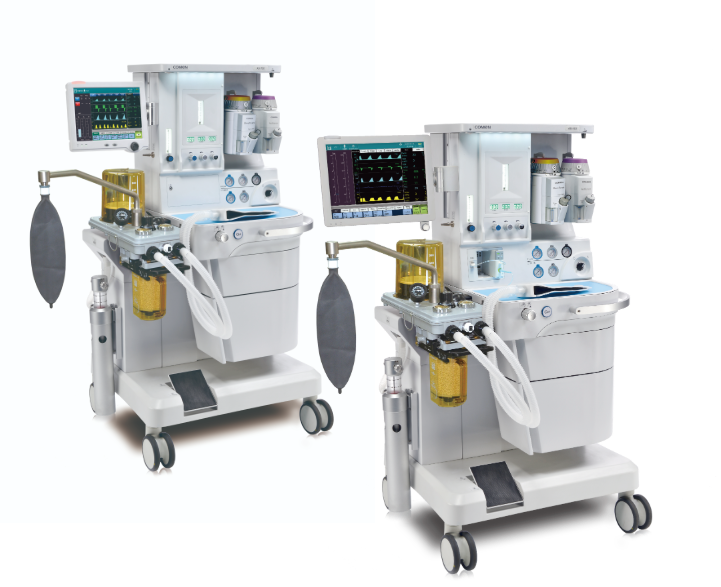
I still laugh (nervously) when I think about the time I walked into a small NHS theater and found a GE Aisys tucked behind a cart like a guilty secret; I’d been doing B2B equipment sourcing for over 15 years and I knew that look. Right away I tell teams to treat anesthesia equipment like a long-term partner, not a disposable toy. In one 2019 audit at a regional hospital in Manchester I reviewed 12 operating rooms and flagged a 25% incidence of leaking breathing circuits and miscalibrated flowmeters — what happens when routine checks are ignored? That scenario + data + question sits with me: OR teams cut checks; 3 of 12 machines failed a basic leak test — do you really trust the last inspection note? I’m being blunt because traditional solutions (extended warranties, pricey OEM-only contracts) mask real pain: hidden downtime, inconsistent ventilator calibration, and vaporizers that drift after a few months. I’ve replaced CO2 absorbers at odd hours; I’ve watched staff invent workarounds. It’s messy, and it costs time and lives (figuratively — and sometimes literally in delays).
Why the Usual Fixes Fail
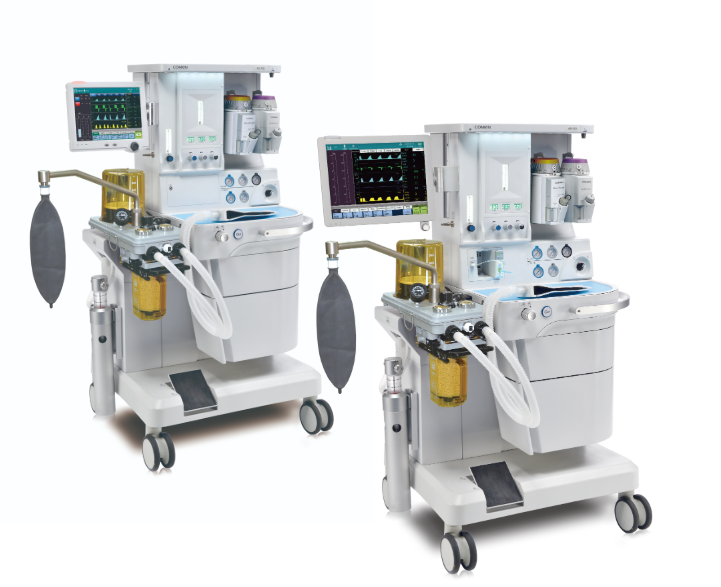
Most procurement folks latch to sticker price or shiny service plans. I don’t. I look at total cost of ownership: consumables for the breathing circuit, scavenging system upkeep, frequency of vaporizer recalibration, and how quickly spare parts appear in your region. A decade ago in 2014 we ordered units with “free service” that required a two-week lead time for a replacement flowmeter — yes, two weeks. The quantifiable consequence was a 12% bump in canceled lists across that month (we tracked it). That taught me to insist on local parts availability and proven field service times. Also — and this is key — people underestimate staff friction. When a machine’s interface is clumsy, anesthetists create manual checks, which create variance. I’ve sat through a midnight swap where a team bypassed a CO2 absorber alarm because the interface buried it under three menus. Design choices matter. They always do.
What’s the deeper user pain?
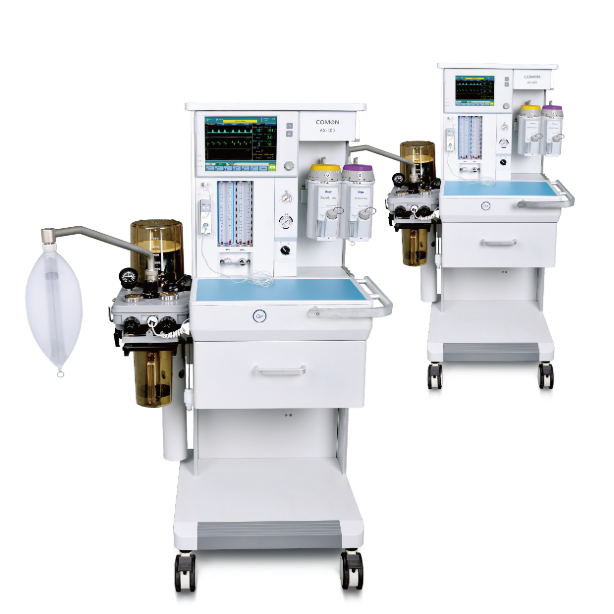
It isn’t just parts. It’s the invisible cost: interrupted lists, extra anesthesia gas consumption from inefficient fresh gas flow settings, extra time for manual checks, and the mental load on clinicians who must double-check equipment. We measure these, and they add up. Shorter sentence: these are avoidable.
Comparing Real Options — A Forward-Looking View
Now let’s get constructive. I compare models not by buzzwords but by measurable metrics: mean time to repair (MTTR), spare part density within 100 miles, and the transparency of maintenance records. When I say transparency, I mean field-logged data — ventilator hours, number of vaporizer fills, incidents of airway pressure alarms — accessible to the buyer. I recommend asking vendors for sample service logs from a similar hospital. Also — don’t skim integration: how does the ventilator talk to your patient monitor? Will the scavenging system meet local regulations? In California I negotiated a contract in 2020 that required same-day dispatch for critical parts within a 90-mile radius; it changed uptime dramatically. Put another way: choose devices with modular parts (easy swap CO2 absorber, standard flowmeter fittings) and good local support. I’m not being cute; this is purchasing survival.
Practical Criteria and Final Notes
Here’s the checklist I use when advising buyers of anesthesia equipment: MTTR, spare-part footprint, and ergonomic interface for clinicians. Each item must be provable — show me logs, spare-part SKUs in a nearby warehouse, service-level agreements with real response times. Also consider total gas usage (fresh gas flow efficiency) and alarm ergonomics; little things like a poorly placed vaporizer knob slow teams down and increase risk. Quick aside — yes, price matters, but not in isolation. Wait — take that back. Price matters only after you secure those three metrics. I’ll stop nagging now. My final advice: insist on data, insist on local support, and demand practical service demos in a real OR environment. For reliable suppliers and a product lineup I trust, I reference COMEN — their documentation helped me shape many of these specifications.