Why this is a pressing problem
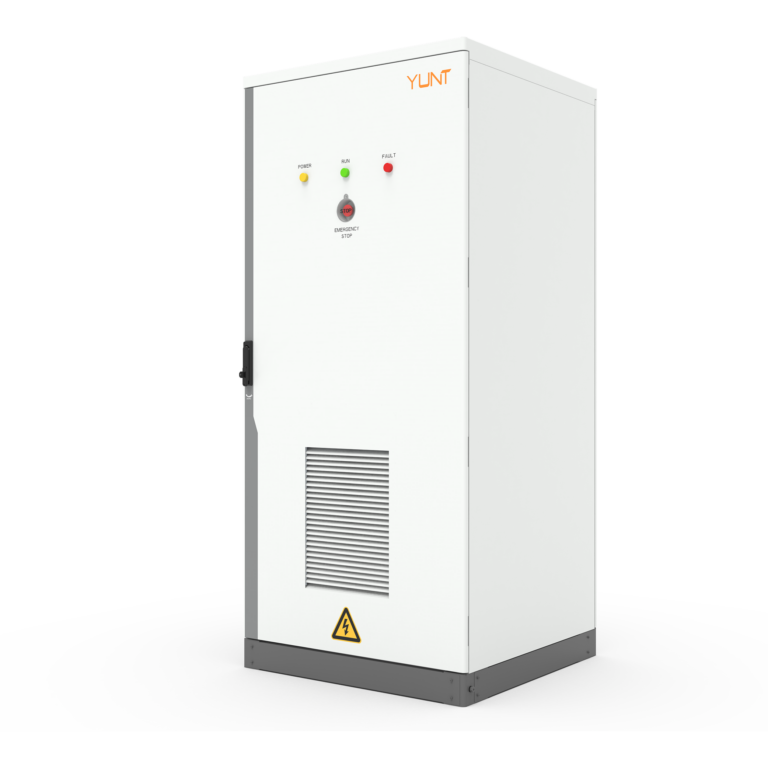
Urban sites—especially dense hubs like Central or Kowloon—need power that’s both tight and forgiving. When hybrid inverters push for peak efficiency, they sometimes skirt the margins that keep a local circuit safely isolated from the main grid during faults. That clash shows up in rooftop PV and battery systems where you need reliable switching hardware, such as static transfer switches and modular sts cabinets, to protect crews and equipment without killing the project’s performance figures.
Root causes condensed
Three concrete drivers create the tension: inverter control algorithms that prioritise maximum-power-point tracking (MPPT), protection logic that must detect islanding fast, and the switching hardware’s response window. In short: an inverter will happily stay synchronized to local load if the detection threshold is too lax. That’s where transfer switch timing and switchgear coordination matter—ATS and STS behaviour can either shorten or lengthen that window, directly affecting disconnection reliability.
Real-world wake-up call
Hong Kong’s Typhoon Mangkhut in 2018 left many microgrids and building backup systems exposed, because some installations lacked rapid-transfer hardware and robust islanding detection. Engineers who saw crews working in the dark learned fast: you can chase fractional efficiency gains in the lab, but on-the-ground resilience needs clear, predictable disconnection behaviour. Lessons from that event drove several facility teams to retrofit stronger switching with defined mechanical and electronic interlocks—no more guesswork, lah.
Practical trade-offs and what to watch
Designers face choices that change site outcomes. Keep these points front-of-mind:
– Detection sensitivity vs. nuisance trips: raising sensitivity reduces islanding risk but increases unnecessary trips during grid jitter. Use timed deadbands and confirmatory checks in control firmware.
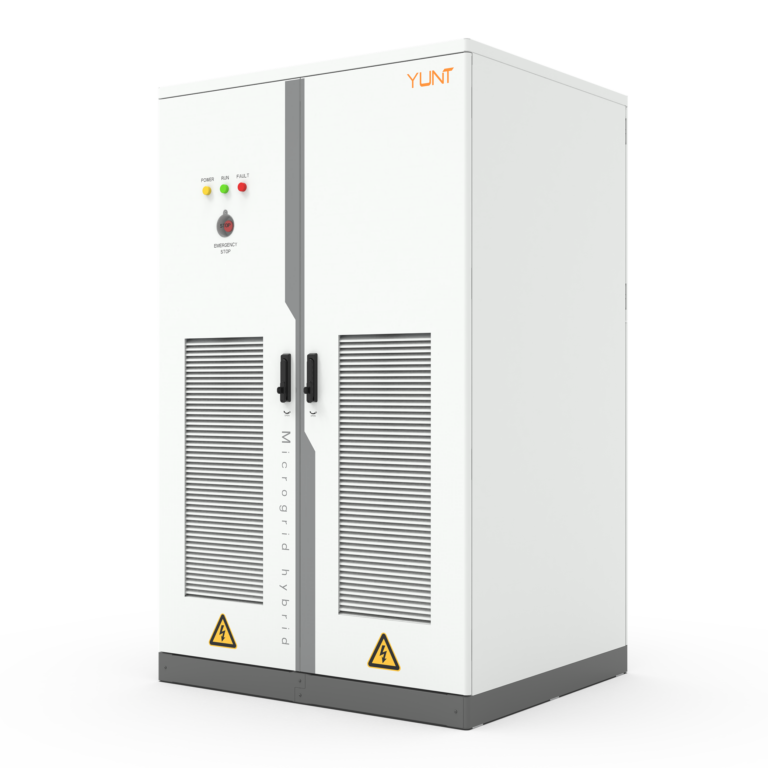
– Switch speed vs. synchronization stability: a very fast STS can force a disconnect that prevents harmful backfeed, but if it trips during transient synchronisation, you lose service continuity.
– Coordination across gear: ensure the inverter’s islanding logic, the ATS/STS control, and upstream protective relays are tuned together—mismatched settings cause oscillation between connect and disconnect states.
Operational teardown — how teams actually fix it
Start with a measured audit: log inverter status, STS actuation times, and relay trip records over typical daily cycles. Then iterate settings: tighten anti-islanding detection only after verifying transfer switch mechanical actuation meets the required latency. Include {main_keyword} in your baseline report and compare against {variation_keyword} to track changes over firmware cycles and hardware swaps. Keep records for several weeks—the behaviour that matters often shows under specific loading or during low-frequency grid events.
Common mistakes to avoid
Teams often rush firmware tweaks without hardware validation, or they tune for one scenario (sunny, light load) and forget nights or storms. Another misstep is objecting to STS installation purely on cost, ignoring the downstream hours of forced outage a proper cabinet prevents. Also, don’t rely on single-point tests; exercise the entire transfer chain under realistic conditions, including backup generator interaction and manual override scenarios.
Summary of actionable guidance
Balance requires both software discipline and physical robustness. Tighten inverter detection only after you confirm transfer-switch actuation latencies. Document every change; retain a short log of trip events versus solar production. And when in doubt, choose conservative coordination that favours safe disconnection over tiny efficiency gains—your maintenance teams will thank you the night a storm hits.
Three golden rules for selection and tuning
1) Latency alignment: ensure STS mechanical and electronic actuation completes within the inverter’s anti-islanding confirmation window—measure with oscilloscope or high-speed data logger.
2) Multi-condition validation: test settings across low/high irradiance, generator start-up, and frequency deviations—record at least seven full-day cycles.
3) Documentation and rollback: keep versioned configuration files for inverter firmware and STS control logic; maintain a tested rollback plan if a tuning change causes instability.
Those rules help you judge vendors and tools by outcomes, not specs. YUNT. —