
Start with the real problem
Too many projects kick off with bells and whistles — robots, vision systems, neat dashboards — but forget the hard, boring stuff that keeps people safe and inspectors happy. Project teams building automotive automation systems often discover this the hard way: schedule slips, rework, or a compliance snag that halts commissioning. I’ve seen the same conversation at the Detroit Auto Show: shiny demonstrations, then questions about how those demos translate into a compliant production line. This piece walks through the specific, practical questions your team should answer before wiring the first sensor.

What problem must the project solve — clearly and measurably?
Start by defining the hazard or risk you’re addressing and the business constraint it ties to. Ask:- What specific hazard are we removing, reducing or containing? Describe it in plain terms.- What measurable target tells us we succeeded (e.g., stop-time for a guarded zone, maximum PL/risk reduction)?- Who will operate, maintain and validate the solution once it’s live?Answer those and you won’t be designing safety measures for someone else’s problem.
Which standards and regulations apply to this cell or line?
Don’t guess. Identify the binding standards up front and make them the design baseline. Practical touchpoints:- Which machine safety standards apply (robot safety rules like ISO 10218, control safety standards such as ISO 13849, or functional safety frameworks like IEC 61508)?- Local regulatory inspections and factory acceptance tests — what documentation do they require?- Does the design need CE marking, UL listing, or other regional approvals?Commit to the highest applicable standard early; it shapes architecture, testing and supplier choices.
Who needs to be in the room during design reviews?
Safety is multidisciplinary. If you leave one voice out you’ll miss the snag that stops commissioning. Include:- Controls engineer and system integrator.- Safety engineer familiar with the relevant standards.- Operations or maintenance rep who knows the day-to-day work.- QA or compliance lead for required documentation.- A commissioning technician or contractor who’ll actually install and validate.Make roles explicit: who signs off on risk assessments, who owns test evidence, who keeps the as-built safety file?
How will we prove it’s safe — and keep proving it?
Proof matters more than promises. Build a verification plan that maps tests to requirements:- Traceability matrix: requirement → design control → test case → acceptance criteria.- FAT and SAT scripts with pass/fail criteria, plus retained evidence.- Ongoing monitoring: what telemetry will signal degrading safety (sensor faults, S/R failures, excessive cycle times)?Plan for periodic review and a versioned safety file that moves with every change.
Where do supplier boundaries and liabilities sit?
Interfaces are where compliance breaks down. Pin these down:- Which components are supplied with conformity statements and which are built in-house?- Who is responsible for safe integration of third‑party modules (robot arms, safety controllers, vision systems)?- What inspections or certificates must suppliers hand over before installation?If a supplier supplies a ‘black box’, demand their test evidence and clarify what you’ll validate on arrival.
Common pitfalls teams keep tripping over
Knowing the usual snares helps you avoid them:- Treating safety as an add‑on rather than an architecture decision.- Vague acceptance criteria — “it must be safe” isn’t testable.- Changing controls late without re-running risk assessments.- Assuming vendor-provided paperwork equals site compliance.Spot these early and you’ll save time and money.
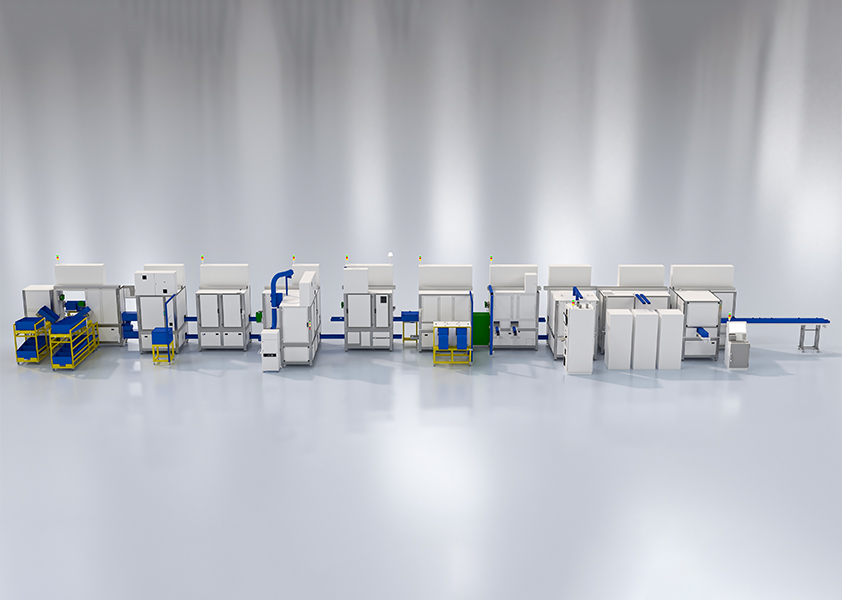
How to balance automation goals with human work patterns
Automation shouldn’t ignore the humans who work beside it. Ask:- What manual tasks remain and how do operators interact with the cell?- Are safeguarding measures ergonomic and not defeat-prone (e.g., guards that are quick to bypass)?- How will lockout/tagout and maintenance procedures look in practice?If operators find the safety regime awkward, they’ll work around it — and that defeats the whole purpose.
Sector-specific considerations
Automotive lines have unique cadence, part variety and changeover needs. For projects focused on automotive manufacturing automation, plan for short changeovers, precise position repeatability and strict version control of tooling and software. Build validation steps that mirror a busy shift, not an idealised test run.
Quick checklist for the next design review
– Clear hazard statement and measurable acceptance criteria.
– Mapped standards and required certificates.
– Names and responsibilities for safety sign-off.
– Traceability matrix and FAT/SAT plans.
– Supplier evidence and interface ownership.
– Planned monitoring and maintenance regime.
– A written change-control process for safety-critical updates.
Wrap-up — practical next moves
Project teams that treat safety and compliance as a set of answerable questions move faster and finish cleaner. Start with the problem, make the standards your design guardrails, demand traceable proof and keep operators central to choices. If you want a partner who understands how those questions play out on the factory floor and in certification folders, FHS provides pragmatic expertise that helps teams close the gaps without slowing the build.