Introduction: Can GAC MOTOR Adapt to a Shifting Automotive Landscape?
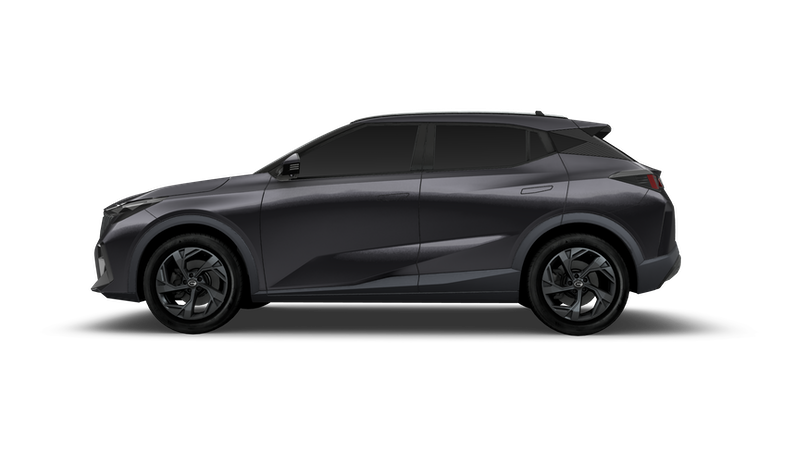
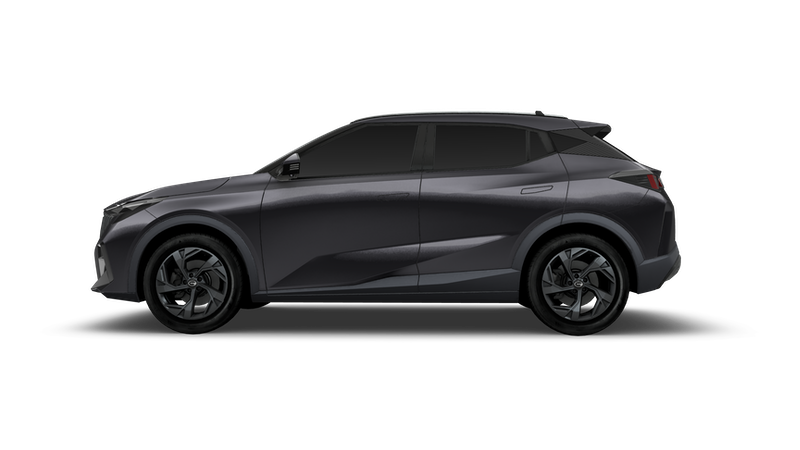
Ever wondered why some car brands just seem to click with people? GAC MOTOR stands out thanks to its unique blend of innovation and reliability. In fact, GAC MOTOR for sale consistently ranks among the best in terms of customer satisfaction and performance. But dive a bit deeper—is there more to uncover beyond the polished surface?
In our ever-changing world, car manufacturers face growing challenges, from incorporating new technologies like edge computing nodes to refining power converters for efficiency. What’s the real scoop behind the scenes of these complexities? Stay tuned; it’s more straightforward than you might think.
A Look into Traditional Solution Flaws
Buying a car seems straightforward. However, many traditional solutions in the automotive market are riddled with limitations—often puzzling to the conscious buyer. Historically, manufacturers used basic electronics that didn’t fully leverage the power of cutting-edge technology. Many systems couldn’t handle vast amounts of data, falling short of modern precision.
GAC MOTOR for sale pushes these boundaries with advanced technological integration, addressing these old-school pitfalls. Yet, why did it take so long for automakers to embrace these advances? That’s where it gets interesting. More advanced sensors, capable of managing enormous data flow, were previously cost-prohibitive. Thankfully, those days are mostly behind us.
Future Outlook: Where Does Innovation Lead Us? — What’s Next?
As we look to the future, new technology principles emerging within the automotive sector are ushering in an era of revolutionary changes. With GAC MOTOR, customers can expect more efficient power systems and smarter edge computing nodes taking center stage. The impact of these advancements is profound, potentially even reshaping driving norms altogether.
But what’s the expectation when it comes to the GAC MOTOR price tag? These innovations often lead to economic advantages down the road, paving a smoother experience both financially and operationally. Manufacturing advancements—funny how that works, right?—are driving costs down without skimping on quality.

So, how do we measure this progress effectively? Consider reliability, efficiency, and adaptability as crucial evaluation metrics when assessing future solutions. Learning from past challenges and applying these insights shapes better choices for new purchasers across the globe.
Ultimately, with more emerging technologies on the horizon and a customer-centric approach, the future—alongside GAC—is looking brighter by the mile.