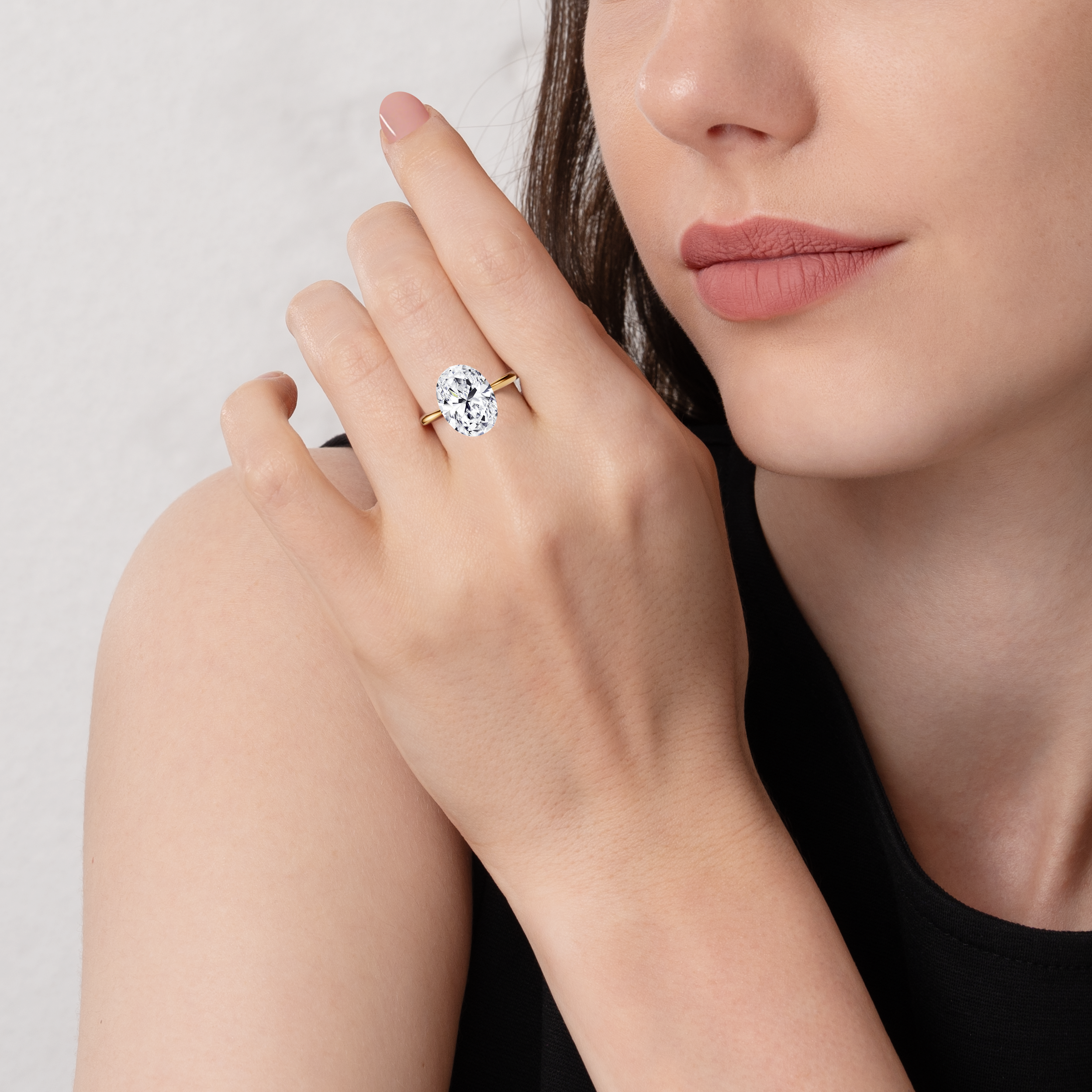
A Street-Level Start: Real Life, Real Numbers
I see it all the time on the F train: someone thumbs a ring pic, squints, changes their mind, then scrolls again. Personalized diamond jewelry shows up next, glowing on the screen like a Times Square billboard. Most folks try to match sparkle to skin tone, but they bounce between metals and settings—over half pick white metals, few know why. And time isn’t kind. You’re juggling budgets, style, wear, and care. So here’s the rub: the options look the same in photos, but not on your hand, and definitely not after six months. Do you want shine today, or shine that lasts without drama (or a pricey repair run)? Now, ask yourself: which choice cuts the stress yet keeps the flex?

Let’s break that down and move from vibe to facts.
Under the Hood: 14k White Gold, Fewer Surprises
When you’re done guessing and want control, start with 14k white gold jewelry. Not for hype—because of how it behaves. The 58.5% gold core meets harder alloys, so it’s sturdy without the bulk. Rhodium plating gives that bright, cool tone that makes a diamond’s table and crown pop, and it softens color tint in near-colorless stones. Old-school buying often missed these details. People just asked “Does it look icy?” and hoped. Then the prongs shifted, or the finish went dull. With 14k, you get better wear per gram, tighter prong tolerance, and less bend under daily knocks. That matters when a pavé halo holds dozens of tiny stones and any slip kills the symmetry.

Where do old methods fall short?
They ignore skin pH, nickel content, and how rhodium wears. They skip CAD fit checks and end up chasing sizing fixes that stress the shank. Look, it’s simpler than you think. Match metal strength to how you live. Run a quick check on rhodium cycle timing. Ask about micro-pavé seat depth and girdle clearance for your stone. Those are small words with big wins—funny how that works, right? A tighter spec means less snag, fewer lost stones, and cleaner light return. And you keep that day-one gleam longer without babying it every week.
Comparing Paths: Smarter Tech, Cleaner Choices
What’s Next
Now let’s shift gears—future-facing and practical. New shop flows use parametric CAD, torque testing, and laser welders to dial in precision. That means better joint strength at the head and cleaner solder lines at the shoulder. In plain talk: the ring fights daily wear and wins. Against older cast-only builds, the difference shows fast. Diamonds sit truer, prongs line up, and the rhodium layer covers evenly. When you compare builds across a few gold jewelry sets, you’ll see how consistent geometry protects micro-pavé from pop-outs. Add spectral checks for color matching and you reduce that weird mismatch between center stone fire and side stone sparkle—no more “why does the halo look tired?” moments.
Case in point. Shops that map finger profile before setting get better comfort curves and fewer spin issues. They also measure table-to-depth ratio and set crown angles to avoid glare in bright office light. That’s modern shop science, not fluff. And 14k white gold takes those upgrades well because the alloy hardness supports tight tolerances without cracking under polish. So you get style and stability—same train, next stop, less stress. That’s the real flex—no cap.
Quick Scorecard Before You Buy
Let’s land this with a clean checklist you can use anywhere. First: structural fit. Ask for CAD screenshots and prong gauge specs so you know the seat depth and tension, not just the look. Second: finish lifecycle. Confirm rhodium cycle timing, nickel content info, and how the metal holds detail after polish. Third: total cost of wear. Compare resizing method, expected maintenance (including replating), and return policy, because a ring that stays solid beats a cheap fix—every time. With those three metrics, you can cut noise, keep shine, and make your diamond feel yours, day in and day out. For references and deeper specs you can trust, keep an eye on Vivre Brilliance.