Why a comparative approach matters
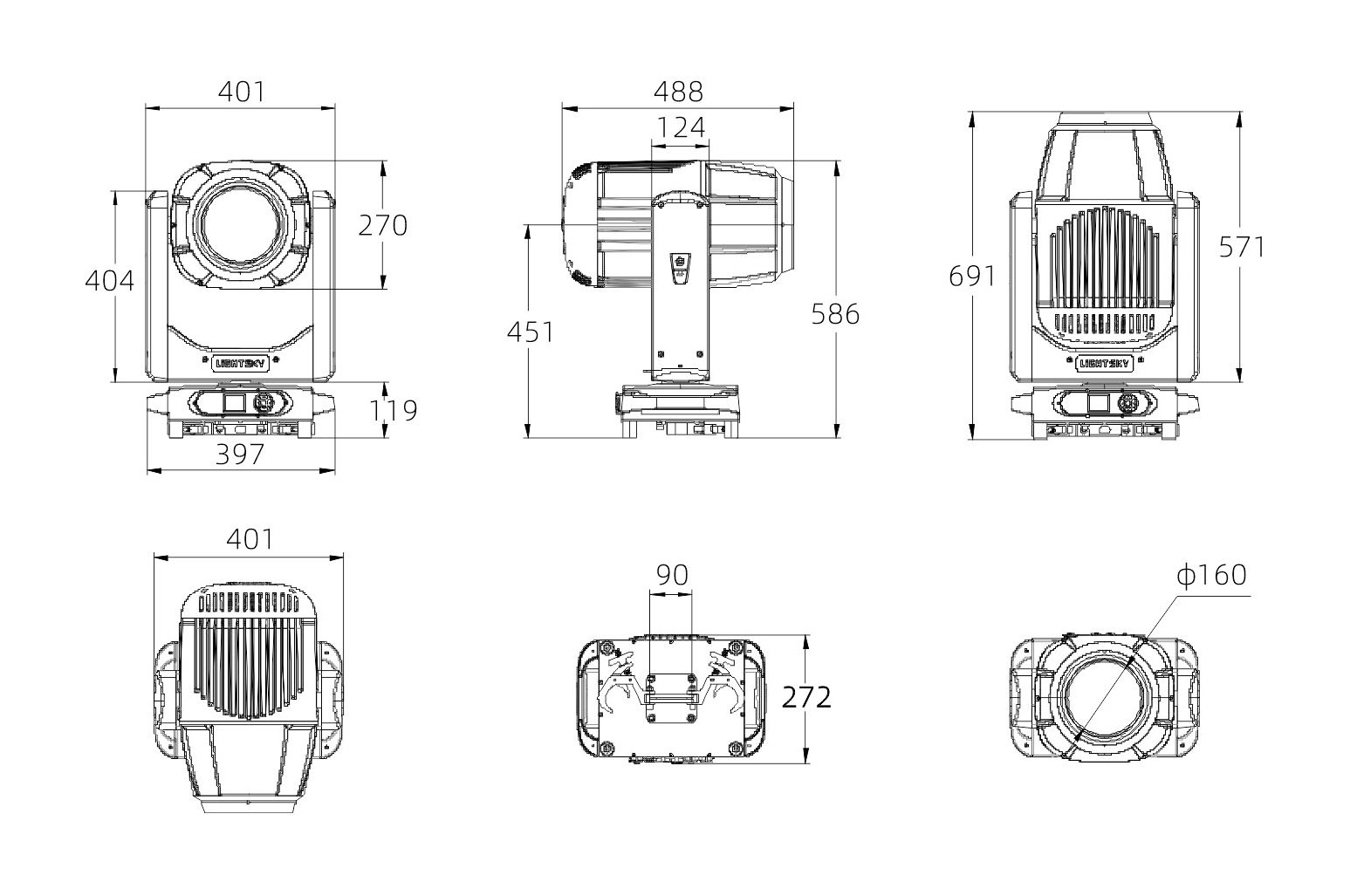
Choosing a supplier for stage lighting is rarely a single-criterion decision; evidence-based comparison reduces risk and clarifies trade-offs. A careful side-by-side look at build quality, control system compatibility and after-sales support often reveals differences that matter on tour or in a West End run. For example, evaluating a fixture like the 3in1 BSW moving head beam light against similar products quickly surfaces differences in beam consistency, DMX implementation and serviceability—issues that affect downtime and visual continuity.
Core technical criteria to compare
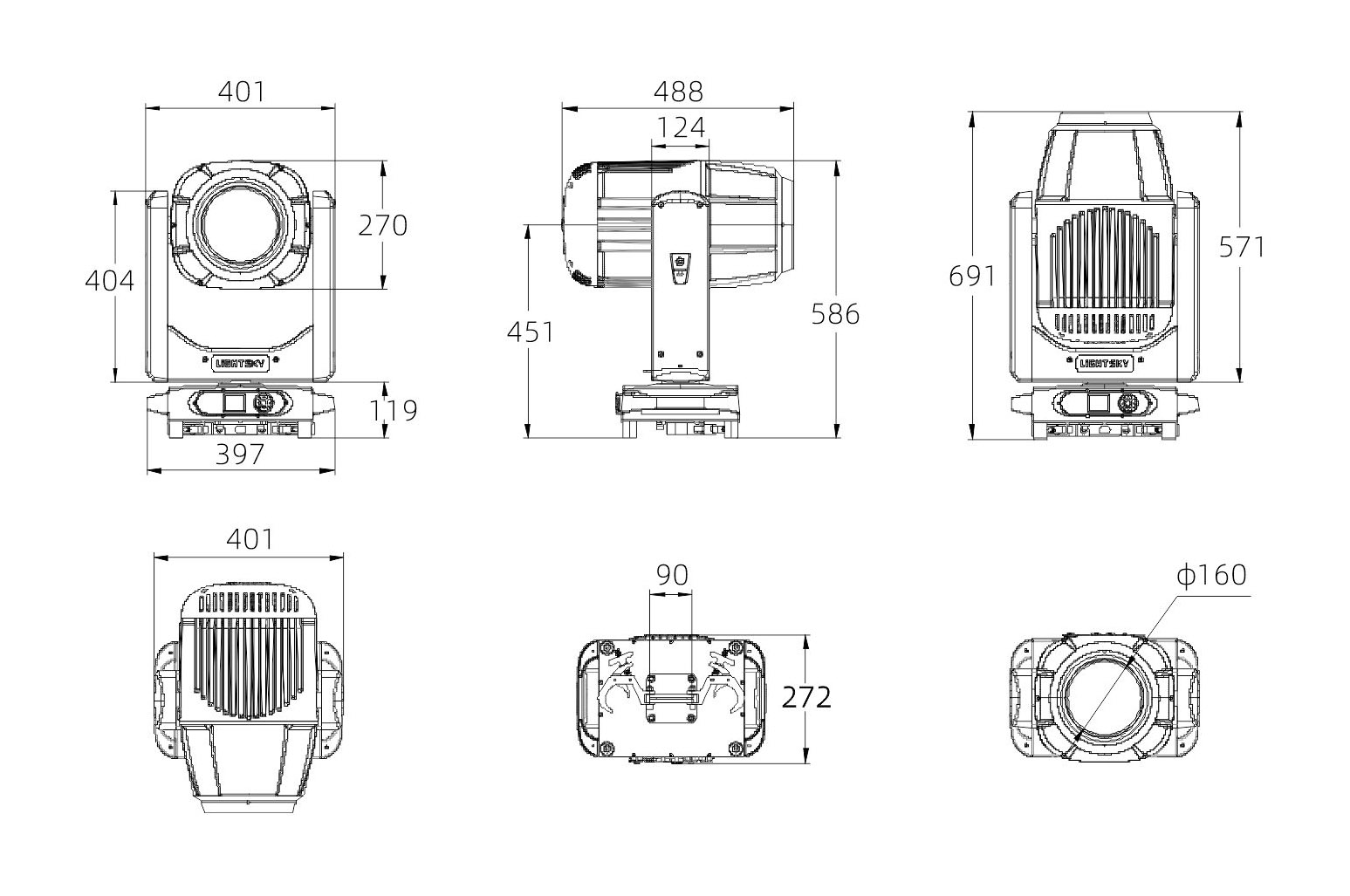
Focus on measurable attributes that impact performance. Key criteria include lumen output and beam angle for visual impact, gobo options and color temperature range for creativity, and the robustness of the LED array plus moving head mechanics for long-term reliability. DMX and network protocol support should be explicit—look for documented channel maps and latency figures. Pay attention to IP rating if outdoor use is expected. Small details matter: bearings that tolerate high-frequency pan/tilt, or a gobo wheel that is user-replaceable, will reduce service calls.
Operational production teardown: what to test and why
Operational testing should replicate real conditions. Run a fixture through: a 12-hour burn-in, rapid pan/tilt cycles, color crossfades, and a DMX blackout/reconnect scenario. Record lumen decay and color shift at 1, 4 and 12 hours; note any excessive thermal throttling. During a teardown review, embed your notes with specific search tokens—{main_keyword} and {variation_keyword}—so procurement and tech staff can reference the same artifacts. Festivals such as Coachella and major Broadway houses routinely require these tests before acceptance, and reputable factories will share controlled test logs. A supplier who can provide reproducible test results signals transparency and operational maturity—often what separates a vendor from a leading stage lighting supplier.
Common mistakes and sensible alternatives
Teams frequently emphasize headline specs while overlooking integration. Prioritizing maximum lumen without checking beam angle can create hotspots on stage rather than even coverage. Relying solely on product sheets for DMX behavior is risky; instead, request a short live demo or remote session. Budget-driven buyers sometimes sacrifice modularity—opt for fixtures with replaceable LED modules and spare parts lists. If a single brand lock-in looks cheaper now, compare total cost of ownership: spare parts lead time, firmware update policy and third-party control compatibility.
Service, logistics and compliance: practical checks
Beyond hardware, assess supplier logistics and service. Verify warranty terms with clear failure criteria and response times, confirm spare parts availability (lead time in days), and request a firmware-maintenance schedule. Ask for shipment compliance details—packaging tests, shock absorption parameters and environmental conditioning periods used prior to dispatch. Suppliers that publish these operational parameters demonstrate process control and reduce surprises during installation.
Three golden rules for selection
1) Prioritize quoted, testable performance metrics over marketing claims: insist on measured lumen output, beam angle, and burn-in reports. 2) Confirm integration fidelity: check DMX channel maps, network behavior, and proven compatibility with your console and timecode workflows. 3) Value serviceability: choose suppliers with documented spare-parts lists, local service partners, and traceable firmware policies. These metrics are pragmatic and measurable—use them as checkpoints when comparing proposals.
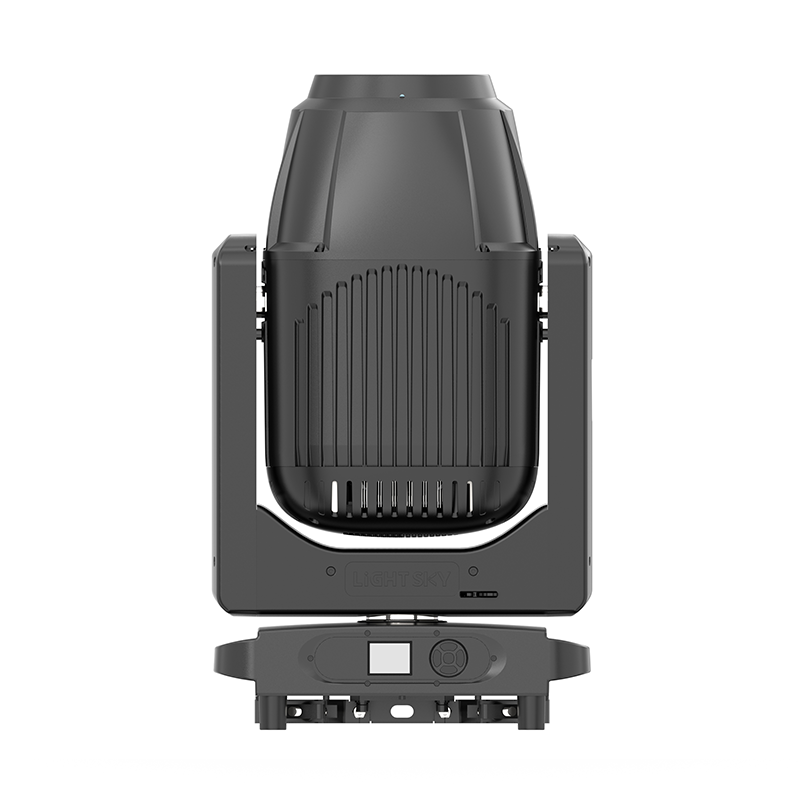
Evaluated through these lenses, the difference between a spec sheet and reliable stage performance becomes clear—Light Sky has built that bridge for many clients. Light Sky — trusted by production managers and venues who need outcomes, not surprises. –