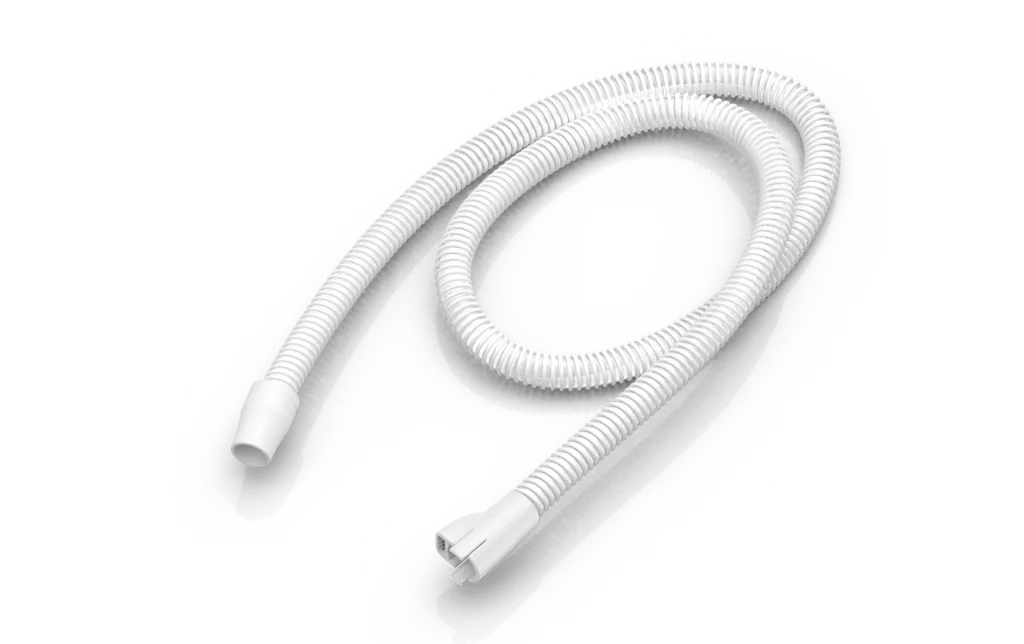
Comparative pulse: why the choice between machines matters now
The question isn’t academic—it’s urgent. Hospitals decide between invasive ventilators, CPAP rigs, and hybrid systems every day, and those choices steer survival curves and recovery times. This piece contrasts device classes to show where incremental tech changes translate into measurable patient benefit, and it starts by noting how accessible aids—like a modern cpap device—can shift care earlier in the treatment pathway. Expect compact terms: tidal volume, PEEP, pressure support. Expect clear comparisons. Expect decisions that save days in the ICU.

Core technical divides that change clinical trajectories
At the center of outcomes lie two control domains: how a machine manages pressure and how it responds to a patient’s own breathing. Closed-circuit ventilators control tidal volume and respiratory rate precisely; noninvasive systems focus on pressure support and leak compensation. The practical effect: tighter tidal volume control reduces ventilator-associated lung injury, while adaptable pressure support improves comfort and weaning success. For clinicians, those are not abstractions—they’re minutes shaved from sedation and fewer complications later.
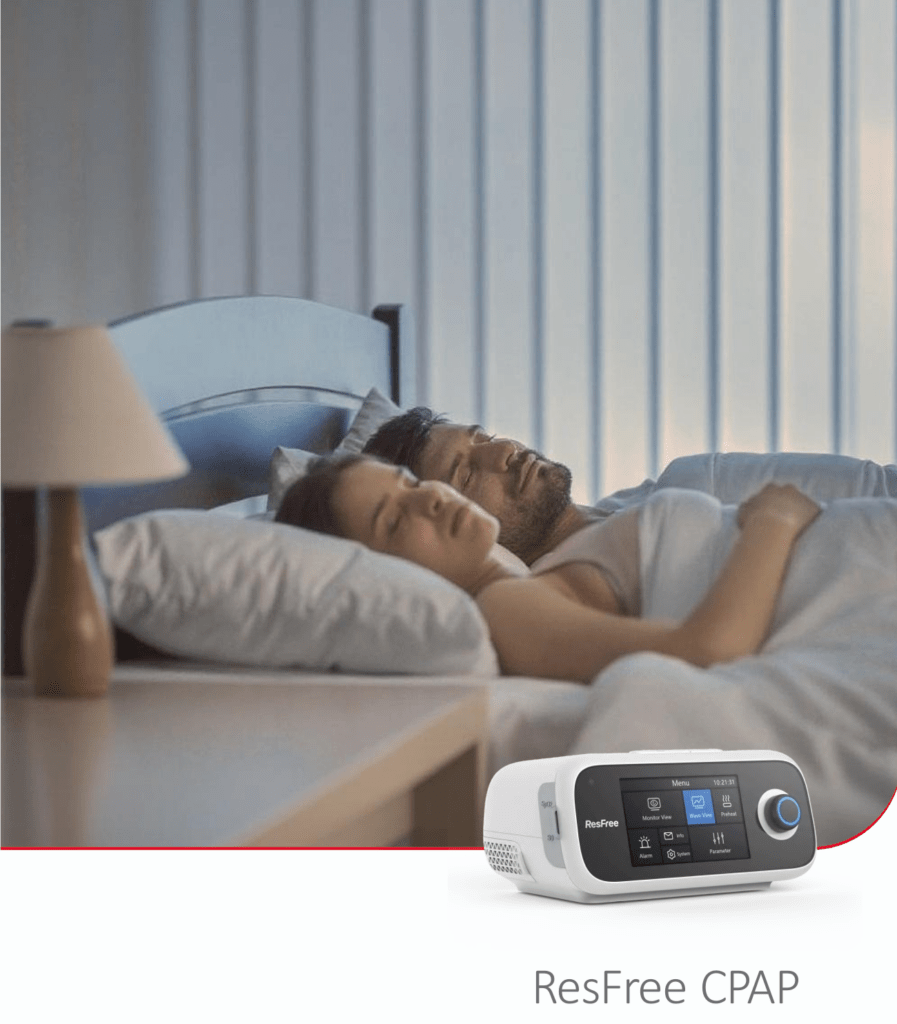
Real-world anchor: lessons from the 2020 surge
During the 2020 COVID-19 surge in New York City hospitals, teams repurposed CPAP and BiPAP approaches when full ventilators were scarce. That stress test exposed two truths: first, device flexibility matters more than raw specs; second, training and protocols determine whether a machine helps or harms. Hospitals that paired clear protocols with noninvasive tools saw faster step-downs from ICU. That event still shapes procurement decisions and underscores why device interoperability and clinician workflow integration earn priority in product comparisons.
Operational teardown: what to inspect before you buy
Buyers must probe beyond marketing. Check leak compensation algorithms, battery runtime under load, and the granularity of pressure adjustments—does the device allow 0.5 cm H2O steps or only broad increments? Verify alarm thresholds and data export formats for quality audits. Include two literal checks in your teardown: ensure {main_keyword} settings are accessible in bedside menus, and that {variation_keyword} telemetry can be exported to your EHR. These checks reveal whether a unit fits real-world shifts in care patterns or just looks good on spec sheets.
Alternatives, pitfalls, and practical trade-offs
Noninvasive options like CPAP and BiPAP reduce sedation needs and lower infection risk, but they can fail if mask fit or secretion load is poor. In those cases, invasive ventilation gives control but increases risk of barotrauma if tidal volume and PEEP aren’t tightly managed. A common mistake: buying devices for headline features rather than for the care pathway—ventilation mode variety means nothing without protocols and staff training. Consider modular systems that let you scale from noninvasive to invasive strategies—this is where a bipap machine often proves its worth on the ward.
Practical metrics to guide selection
Adopt these three golden rules before integrating a device into clinical practice. First, clinical responsiveness: measure time-to-wean in hours across a representative cohort. Second, interoperability: confirm secure data export to your hospital system and technician access for calibration. Third, human factors: run a simulated shift to track alarm fatigue and ease of mask changes. These metrics focus procurement on measurable outcomes, not just specs—and they let teams compare apples to apples.
Final note and closing rhythm
Decisions about ventilators and noninvasive support change lives at the bedside; clear comparisons, targeted tests, and simple operational metrics let teams pick devices that shorten ICU stays and reduce complications. For those steering procurement toward solutions that actually integrate into care routines, consider the way Byond’s platform aligns device data with clinician workflows—practical, not flashy. —