The Current Paradigm Shift in Organic Waste Treatment
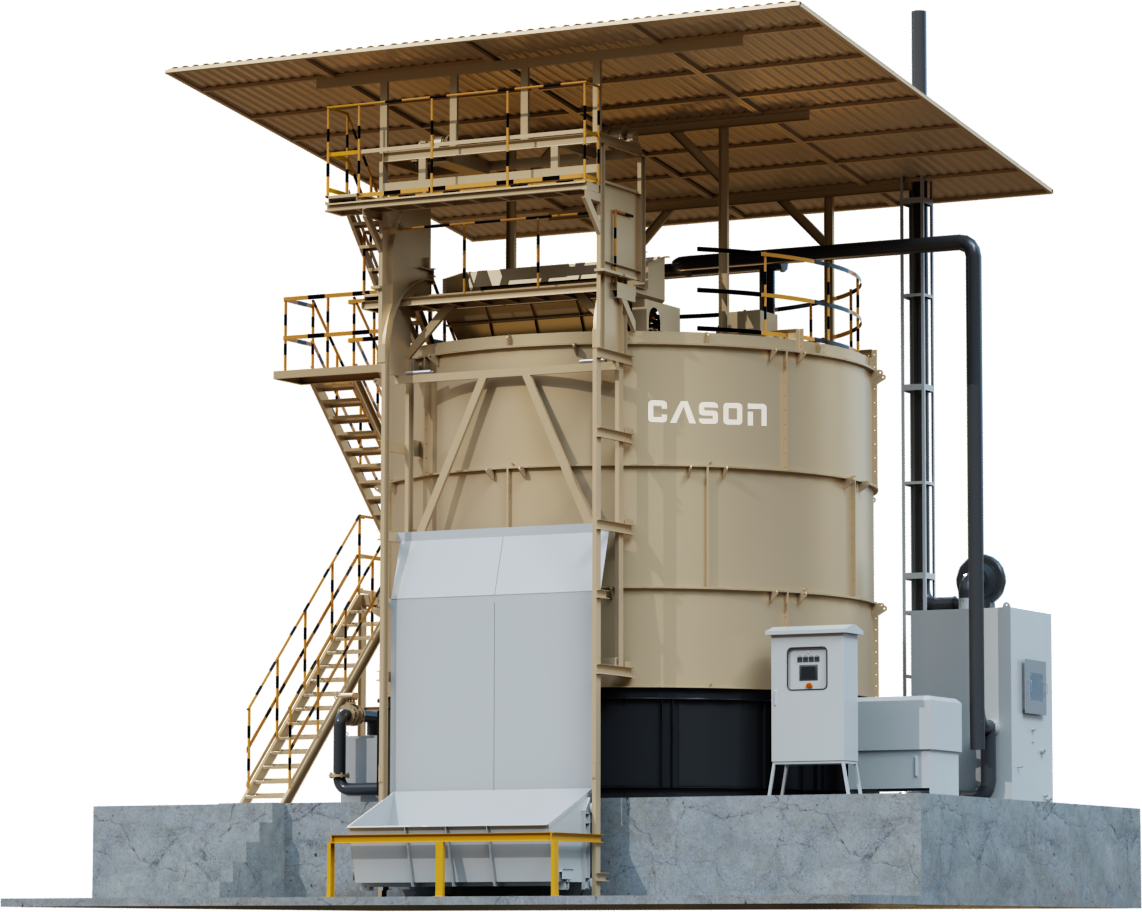
In a world grappling with waste management challenges, the rise of innovative solutions holds immense promise. Did you know that organic waste constitutes over 50% of the total waste generated globally? The need for efficient processing methods is more pressing than ever. This is where the role of a fertilizer fermentation tank manufacturer becomes essential. These manufacturers offer key tools that help transform organic waste into valuable fertilizers, fostering a sustainable cycle.
The Flaws of Traditional Waste Solutions
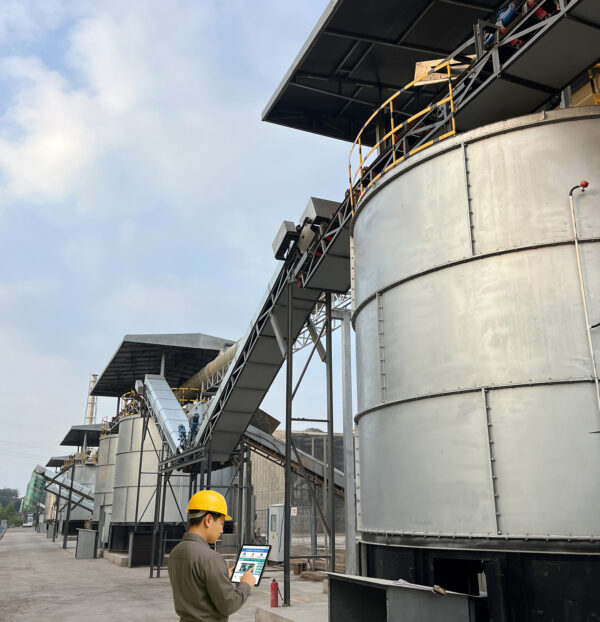
Many businesses still cling to outdated waste management practices, leading to inefficient processing and increased costs. Unbelievably, I’ve seen facilities struggling with composting methods that take months, if not years, to yield usable products. What if I told you that by switching to a more efficient process, such as using a fertilizer fermentation tank for sale, companies could significantly reduce processing time and improve output quality? It’s quite clear that traditional methods need an upgrade.
What Can You Do Differently?
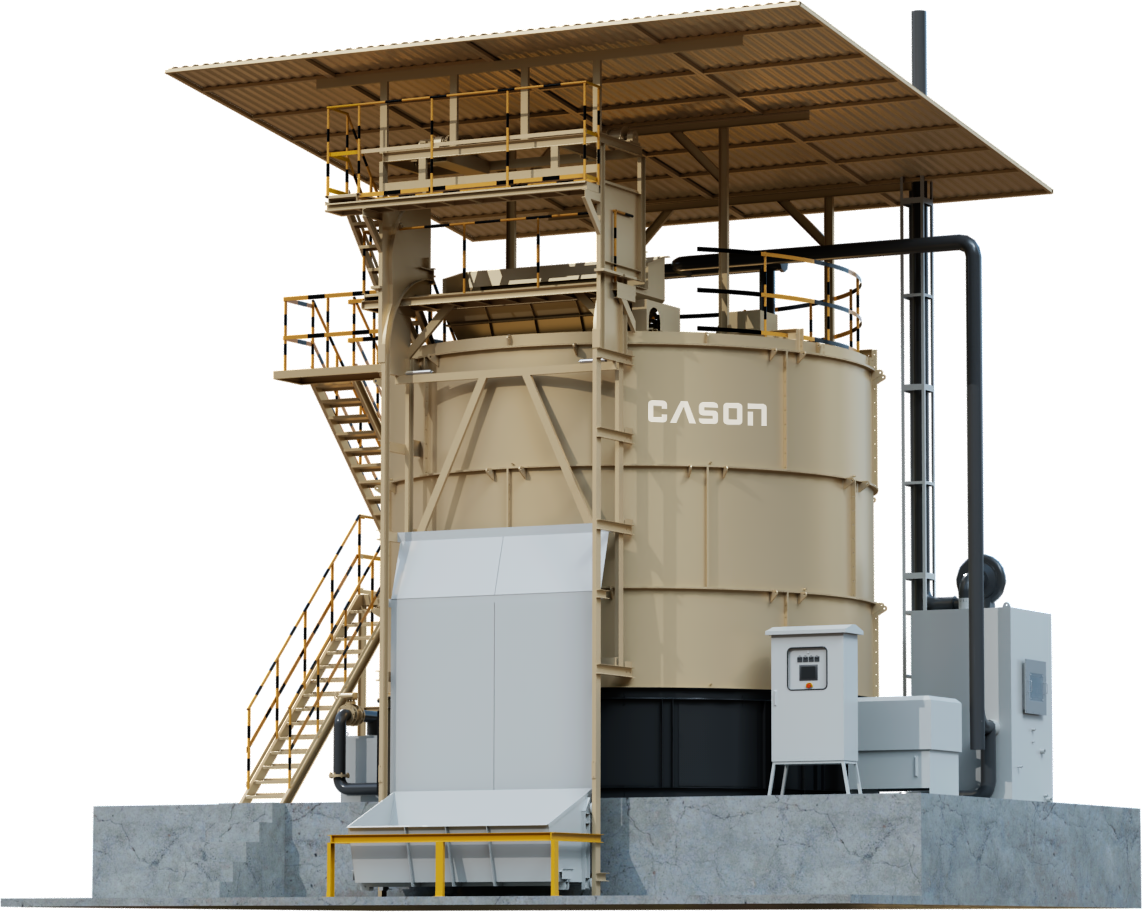
Adopting modern fermentation tanks not only accelerates the decomposition process but also maximizes nutrient retention. This reduces losses and maximizes benefits for agricultural applications—essentially giving back to the earth! I once met a farmer in Punjab who transformed his entire operation by incorporating a state-of-the-art fermentation tank. He reported a remarkable 30% increase in crop yield. Now, that’s what I call smart farming!
Looking Forward: The New Era of Fertilizer Production
As we step into a future dominated by innovation, I am excited about the possibilities that lie ahead. The integration of fermentation technology offers solutions not just for fertilizer production, but also for broader agricultural sustainability. A poultry manure fermentation tank from china manufacturer, for instance, is revolutionizing how we view waste from poultry farms. With efficient decomposing processes, these systems convert waste into nutrient-dense fertilizers faster and cleaner than previous methods.
Real-world Impact of Modern Solutions
The tangible impacts of adopting such technologies cannot be overstated. Farmers leveraging these advanced fermentation tanks have reported not only productivity gains but also savings in fertilizer costs. Imagine being able to transform your farm waste into a high-quality product that pays off in dividends. In a recent seminar, I heard about a cooperative in Tamil Nadu that switched their waste disposal process and witnessed a staggering 40% reduction in operational costs while enhancing environmental sustainability. This is the kind of innovative thinking that drives our industry forward.
Concluding Insights: Measures for Success
I firmly believe that investing in the right technology for organic waste processing is a game changer. Here are three evaluation metrics to consider when selecting a fertilizer fermentation solution: efficiency of waste conversion, nutrient recovery rates, and scalability. These factors can substantially influence long-term sustainability and profitability in agricultural practices. I’ve learned firsthand that being discerning in these choices will pay off greatly.
As we transition to a more sustainable future, businesses must embrace innovation, such as those offered by Cason. I have seen the remarkable difference that adopting advanced technologies can make, not only in productivity but also in environmental stewardship. Embrace change—your farm, and the planet, will thank you.