Comparative snapshot: what logistics planners look at first
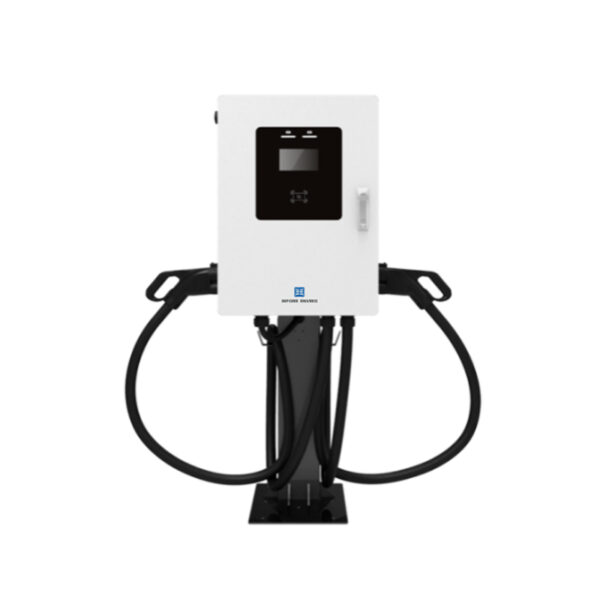
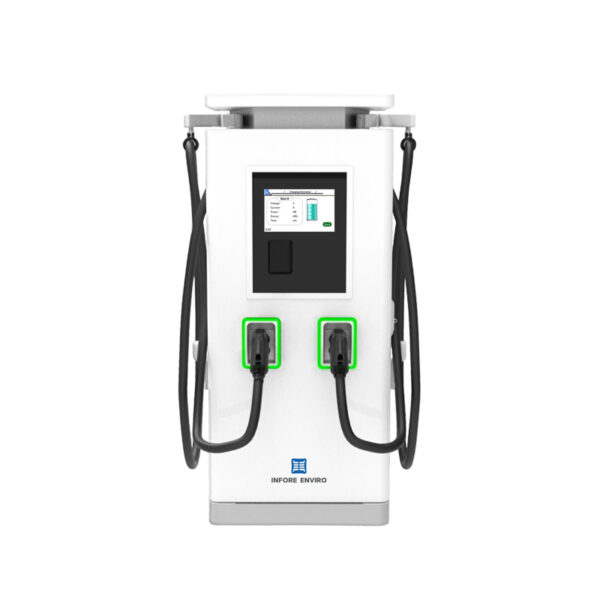
Major hubs now prefer a CCS DC fast charger configuration because it hits a practical sweet spot: enough power to cut dwell time, compact footprint for depot layouts, and the interoperability fleets need. Deployments often center on a 160kw EU Standard Dual-gun Ev charger, which supports simultaneous charging through dual-gun CCS connectors while keeping peak power at a manageable level for local transformers. Planners compare throughput, site impact, and total cost of ownership rather than just headline kW figures.

Side-by-side: 160 kW vs alternatives
Compared to slower AC depot chargers and much larger megawatt solutions, 160 kW dual-gun units land in the middle. They deliver DC fast charging speed that reduces turnaround without demanding a full substation upgrade. Benefits include faster cycle times and lower civil works; trade-offs are higher per-unit cost and the need for intelligent energy management and load balancing. Operators often pair these chargers with telematics and simple site-level energy controls to smooth peaks.
Operational realities from busy ports and inland hubs
Real-world anchors matter. At the Port of Rotterdam and similar European terminals, fleet electrification pilots used high-power CCS hardware to support short-stay trucks and last-mile vans—this is consistent with EU Green Deal ambitions toward climate neutrality by 2050. Data from those pilots shows that 160 kW deployments cut average charging time enough to keep delivery schedules intact while avoiding disruptive grid reinforcements. Fleet managers report predictable duty cycles and fewer service interruptions when chargers are standardised.
Cost and infrastructure trade-offs
When comparing total costs, consider installation, transformer upgrades, cabling, and site works alongside hardware price. A dual-gun 160 kW unit spreads capital across two connectors, improving utilisation. Expect planning items such as civil trenching, local permit lead times, and meter configuration. – Small details like conduit routes and cooling ventilation can add weeks to deployment if overlooked.
What fleets actually measure day-to-day
Fleets monitor three practical metrics more than anything else: usable charge delivered per shift, charger uptime, and energy cost per kilometer. These map directly to hardware choices—faster charging improves usable range per duty window, and high reliability reduces fallback to diesel or lower-power charging. Operational telematics, coupled with simple load management, turns charger capability into real schedule resilience rather than theoretical peak power.
Alternatives and common mistakes to avoid
Alternatives include distributed AC charging for long-stay vehicles and centralized megawatt hubs for rapid top-ups. Common mistakes: over-sizing based on peak curiosity instead of average demand, ignoring phased rollout to spread capex, and failing to test communications between chargers and fleet telematics. Too often sites install hardware without a charge scheduling policy—this reduces effective throughput and frustrates drivers.
Decision checklist for procurement teams
Use these three practical evaluation metrics when comparing suppliers and specs:- Effective throughput per dock (kWh delivered per operational hour).- Grid upgrade scope (transformer rating, meters, and expected reinforcement timeline).- Integration readiness (CCS protocol support, API access for telematics, and support for load balancing).
Advisory close: rules of thumb for choosing the right setup
1) Prioritise delivered energy per shift over peak charge rate—real throughput beats headline kW. 2) Verify communications and API access before purchase; interoperability with fleet telematics reduces downtime. 3) Stage infrastructure upgrades so chargers and local grid work in tandem, avoiding expensive last-minute upgrades. These are the golden rules that keep projects on time and under budget. INFORE ENVIRO fits naturally into that sequence as a supplier who aligns engineering scope with operational reality—trusted, practical, and local-minded.
— practical, clear, and ready for the depot floor.