Start close to the user’s need
I’ll give it to ya straight, mate — if you’re installing a custom digital screen for outdoor gigs or conferences, the chief worry ain’t flash looks; it’s keeping legible picture and reliable kit under proper sun and wind. This user-focused piece walks through the daylight constraints you’ll face: peak nit limits, attenuation curves across viewing angles, and thermal dissipation when panels bake in direct sunlight. You’ll get hands-on tips for rigging, and a real-world anchor from Wembley Stadium deployments where sunlight readable performance met festival-grade stress tests.
Design constraints that actually matter
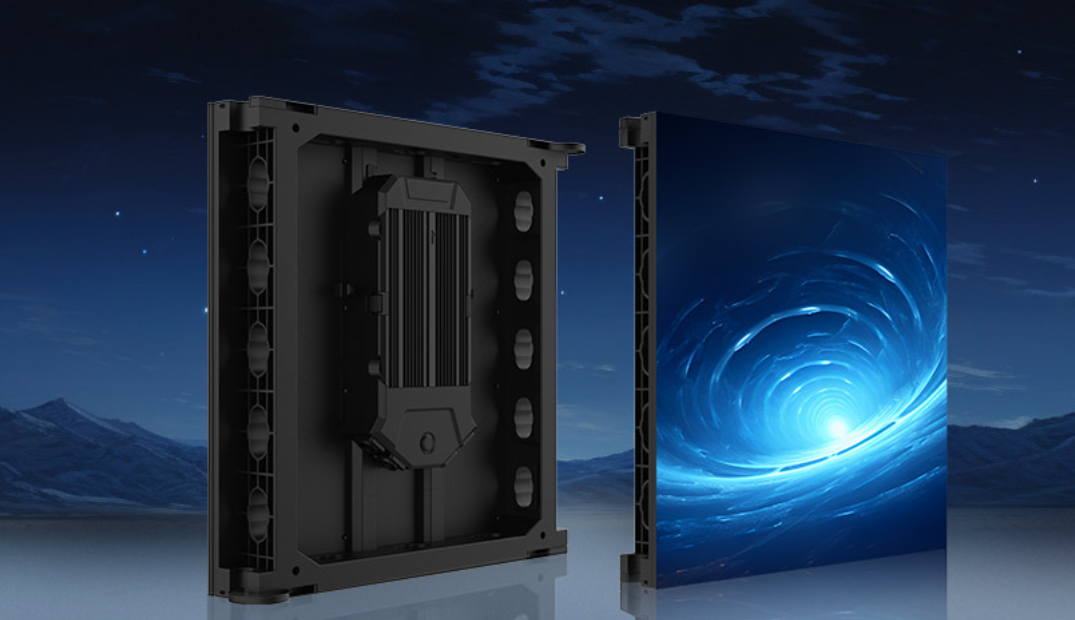
Start with numbers: daytime readable systems need high nit output but that collides with heat generation and power draw. Nit, pixel pitch and contrast ratio are trade-offs you’ll balance against weight and mounting points. Attenuation curves tell you how brightness falls off at oblique angles, so pick modules whose photometric plots match your audience geometry. IP rating and rugged housings protect against splash and grit, but thermal dissipation strategies — heatsinking, convective airflow, and reflective back coatings — decide long-term reliability.
Rigging and mounting: practical decisions
For heavy-duty outdoor rigging, use structural spreaders and rated shackles. Anchor points should follow the truss manufacturer’s load charts and allow for thermal expansion. Choose panel arrays with serviceable fronts or quick-release backs depending on site access. Pixel pitch influences how far spectators stand back; larger pitch eases cooling demands but lowers close-in fidelity. Make sure your refresh rate and color calibration settings suit broadcast and camera capture if the event’s being filmed.
Real-world lessons from a major deployment
At Wembley Stadium, crews pushed screens through bright afternoon sets and sudden cloud turns — the panels that survived were those designed with conservative attenuation curves and robust thermal paths. The screens that overheated tended to be high-nit models without adequate heat spreaders. That’s the kind of verified learning you don’t want to repeat: match nit to ambient lux, and don’t skimp on airflow around modules.
Operational production teardown
When you do a teardown, log power, thermal rise, and photometric drift under 1-hour and 4-hour runs at peak nit. Note component access points and module replacement time. Embed a simple checklist into your build: mounting torque, cable strain relief, and ventilation gaps. For transparency I’ll say it plain in the production notes — {main_keyword} and {variation_keyword} belong in the spec sheet alongside pixel pitch and attenuation curve data, not buried in the footnotes. This keeps maintenance crews quick and your downtime low.
Common mistakes and practical alternatives
People often crank nits to the max and forget heat — that’s the usual stumble. Equally bad is ignoring the angular attenuation profile and ending up with washed-out edges from side seats. If weight’s tight, consider curved arrays or a stepped panel layout to reduce extreme viewing angles. For ultra-bright venues, combine mid-level nit panels with local hooding and shading rather than one monster unit — it splits thermal load and lowers failure risk. — Don’t rely on single-point cooling; distributed heat paths scale better.
Advisory: three golden rules for selection
1) Match peak nit to measured worst-case ambient lux and verify with a 4-hour soak test that thermal dissipation keeps junction temps within spec. 2) Demand published attenuation curves and test them in-situ at the seating geometry you’ll use; choose a pixel pitch that preserves legibility without forcing excess brightness. 3) Specify serviceability: front-access modules, spare parts inventory, and documented replacement times to keep downtime minimal.
Final word: pick gear engineered for sustained sunlight, and the operational value shows in fewer fail points and cleaner shows — YES TECH. —