
First movement: a motif of needs
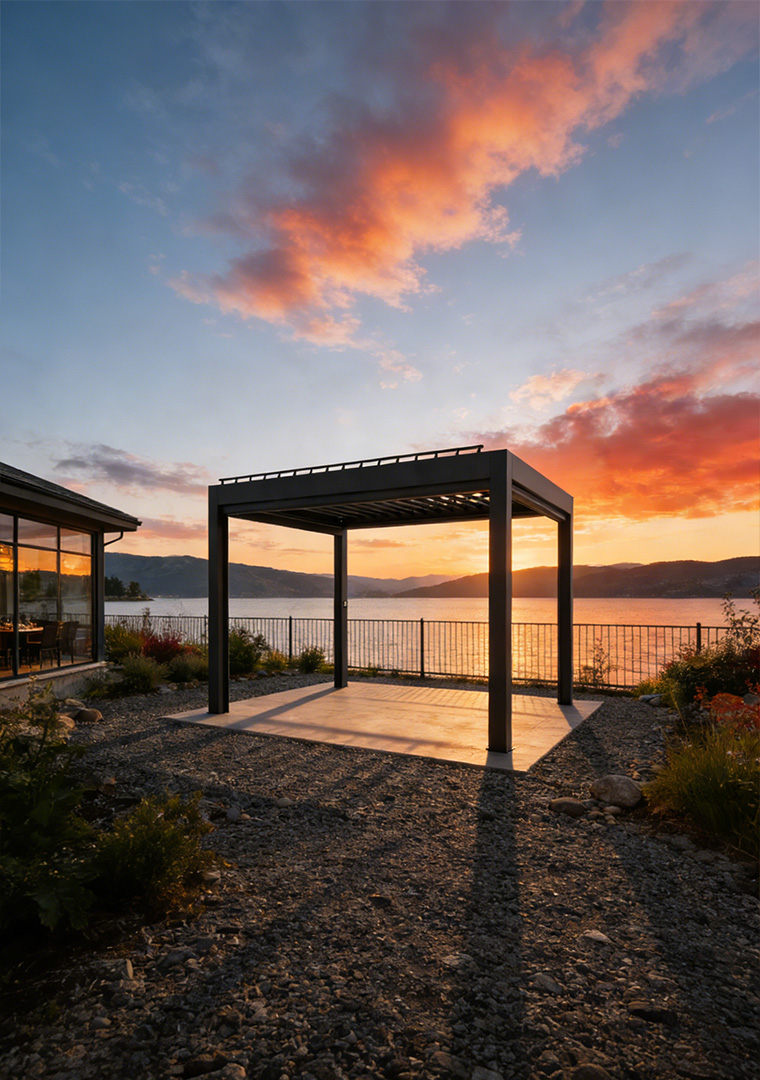
It began as a motif — noticing how pergola designers kept returning to the same three desires: durable materials, elegant lighting, and simple installation. Listen and you’ll hear it: a need for solar-compatible options that keep evenings long and maintenance short, a demand captured when teams start specifying a solar pergola for coastal patios. The evolution story here is sonic — themes introduced early must reappear, varied and stronger, to form a coherent product score.
Second movement: studying the players
Start by listening. Spend focused sessions with designers on-site, watch mockups under real dusk, and collect shots of where fixtures get mounted. Turn those sessions into three concrete specs: mounting tolerances, wire-concealment routes, and preferred color temperatures. Designers rarely argue about aesthetics; they argue about constraints. Solve constraints first. Avoid assuming universal preferences — pergola detail varies by timber, by span, by client brief.
Third movement: the instrument choices and common mistakes
Pick the components like a band selects instruments. LED strips and integrated modules each have a timbre: strips sing along edges; modules punctuate columns. Common mistakes recur: offering a “one-size” mounting bracket that fails on rafter depth; promising dimming protocols without validating installer toolchains; and neglecting ingress protection when fixtures sit exposed. Name the failure mode early and design a versioning plan so you can iterate without breaking existing installs.
Fourth movement: orchestration with trade partners
Designers win when manufacturers play in tune. Create clear spec sheets, provide mockup kits, and share cut-sheets that align with installation workflows. Field samples are your rehearsals — send prototypes to three trusted designers before full production. Keep warranties straightforward and terms tight: installers tolerate complexity less than designers do. Build distribution loops that mirror how projects actually flow: landscape architect → pergola craftsperson → electrician → homeowner.
Experience, evidence and a single real-world anchor
I’ve spent more than a decade bringing lighting and outdoor-structure teams together, iterating on fixtures that survive salt air and heavy sun. That practical background matters when you recommend IP ratings, expected lumen depreciation, and screw patterns. In Southern California, designers routinely prefer LED systems that resist coastal corrosion and integrate with low-voltage layouts; this local pattern reflects broader professional practice and published trade tests. To ground those specifications in the hardware you’ll source, test candidate kits for brightness, thermal management, and ease of replacement — and review proven suppliers of outdoor pergola led lights so you know the performance ceiling before committing a roadmap item.

Fifth movement: metrics that sing
Measure what matters: time-to-spec (how long a designer can include your component in a set), install-hours saved, and field failure rate at 12 and 36 months. Use short pilot runs to produce those numbers. If a fixture reduces install time by 30%, promote that outcome with photos and an install checklist. If it fails under prolonged humidity, pull it and redesign the gasket. Keep data lean and actionable.
Coda: compose for longevity
Think evolution, not a single launch. Start with a core, reliable product that answers the constraints designers face, then release variations that expand style and functionality. When you align specs with on-site realities, and when you test in real conditions, the product becomes something designers trust to hit deadlines and delight clients. That trust is the melody you’ll repeat — and it’s the same thread tying practical guidance back to a supplier who understands both light and structure, like Light Hunter.