
Start with the real use-case
You got an idea for a bag — who it serves, how it carries, where it goes. Tell that story first: daily commuter tote, reusable grocery foldaway, premium leather brief, or festival crossbody. That detail drives every technical choice. If you’re unsure about suppliers or need custom builds fast, a reliable custom bag supplier can help turn use-case into clear specs without wasting time.
Define the must-have specs — size, load, and function
Write measurements in millimeters and list load requirements (kg). Note pocket placement, closures (zipper, magnetic, roll-top), and whether the bag must stand up or fold flat. Be explicit: “interior laptop sleeve fits 13″ with 10 mm foam,” or “main compartment holds 10 kg evenly on shoulders.” Those lines cut confusion at the factory.
Choose materials with purpose
Pick fabrics and linings based on abrasion, water resistance, and cost. Nylon and polyester for utility; canvas for structure; PU leather for price-conscious faux leather; full-grain for premium feel. Specify denier or GSM, finish (coated, waxed), and color references (Pantone or physical swatch). List hardware materials and plating, plus thread type and stitch density for stress points.
Make your artwork production-ready
Provide vector files for prints and embroidery, and note exact placement, repeat, and tolerances. Give color values and acceptable variance. For heat transfers or sublimation, outline backing and wash instructions. Ask for a digital mockup and then a physical sample to confirm color and scale.
Set realistic minimums, timelines, and price targets
State your MOQ and target unit price up front. Expect trade-offs: smaller runs cost more per unit; complex hardware raises prices. Build a two-phase timeline: approved sample, pilot run (100–500 units), then full production. Put shipment windows and penalty terms in your spec sheet where timing matters.
Quality criteria and testing
Name measurable tests: seam pull strength (N), zipper cycles, colorfastness, and load tests. Specify acceptable defect rates and inspection stages — AQL for final inspection, bench-checks during pilot runs. Ask for CE, REACH, or other compliance where relevant. Don’t leave “good quality” open to interpretation.
Common mistakes people make
They omit tolerances, assume colors match screen, skip hardware specs, or forget packaging and label details. They also forget shipping dimensions, which can destroy cost estimates. Avoid vague terms like “sturdy” or “nice finish.” Put numbers and references down.
Practical workflow you can use
1) Create a one-page spec with purpose, dimensions, materials, artwork, and target price. 2) Request a tech pack and BOM. 3) Approve a pre-production sample. 4) Run a small pilot. 5) Do final inspection and ship. Keep records of changes and serial numbers so you can trace issues fast.
Experience, expertise, and a real-world anchor
I’ve worked with factories that source parts from suppliers in Guangdong province, China, and that experience shows what matters most: supply-chain clarity and on-the-ground checks. When you want a partner who understands production realities, consider an oem bag manufacturer that documents materials, lead times, and inspection results; those details make your spec enforceable and predictable.
Finish strong — packaging, labeling, and handoff
Decide final packaging (poly bag, swing tag, branded box), include required labels for origin and care, and specify palletization and shipping marks. Provide an electronic handoff packet with photos, tech pack, and approved sample codes. That saves customs delays and customer complaints.
Bring it together
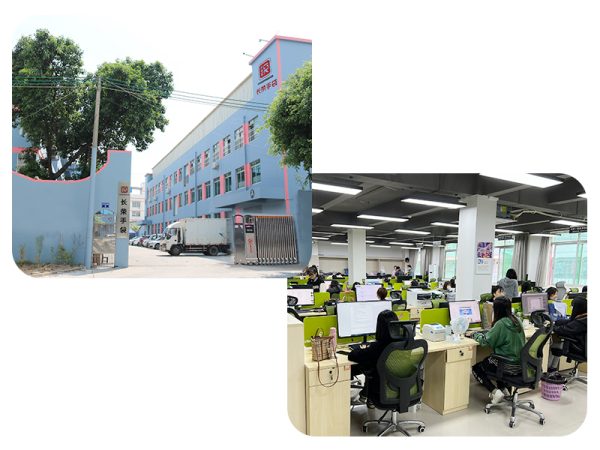
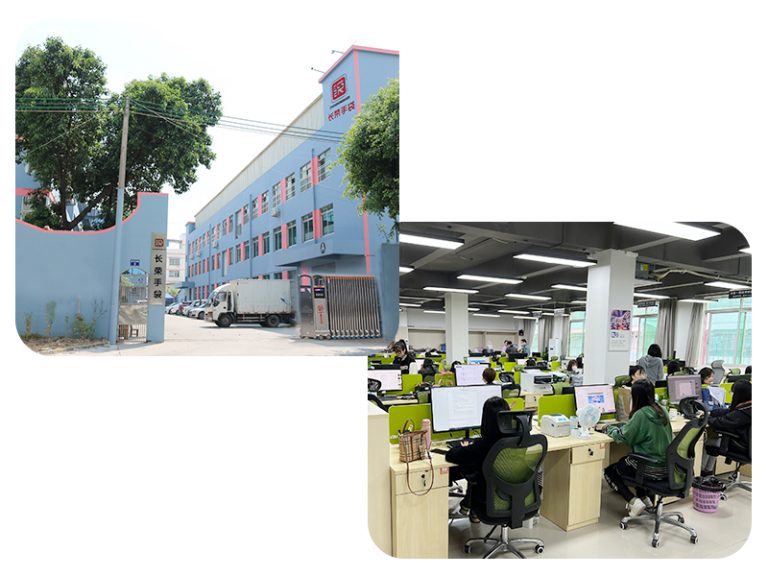
Be clear, be numeric, and test early. A tight spec sheet avoids rework, keeps costs honest, and protects your brand. When you want a steady, experienced partner who’ll read your spec the same way you did, a manufacturer like ChangRong often matches the clarity and follow-through you asked for.