
Introduction
I once stood in a tiny kitchen on a wet morning, wondering why my teeth felt gritty after brushing—simple, stubborn, and oddly personal. In that moment I thought about toothpaste material and how ingredients like abrasives and binders shape our daily routine (aye, it matters more than most think). Recent surveys say many people notice residue or sensitivity after brushing; that’s not just a quirk, it’s data nudging us to ask: what’s really in the paste we trust? I’ll take you through what I’ve learned, plainly and honestly, with a bit of Highland heart—so let’s move on and dig into where the trouble really starts.
Why Traditional Toothpaste Mixes Fall Short
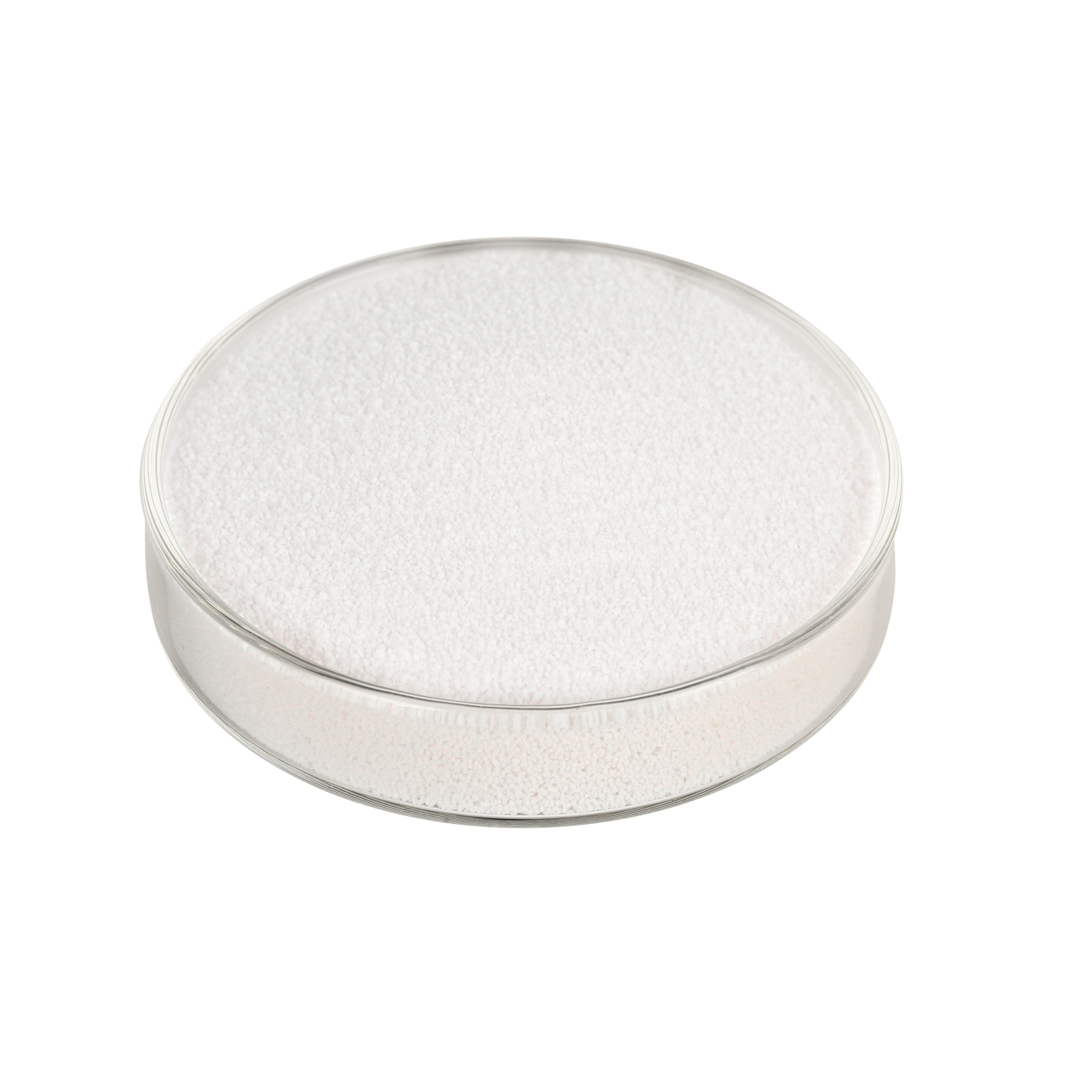
silica toothpaste has been touted as a gentle polishing option, yet many of the older formulas still leave people wanting. I’ll be frank: manufacturers often prioritize shelf stability and foam over true cleaning balance. Technically speaking, classic formulations rely on overly hard abrasives and inconsistent particle size; that increases abrasion and wears enamel over years. The binders and humectants that keep a paste from drying out (think glycerin and cellulose derivatives) can also trap residues if the formulation’s viscosity or pH is off. Look, it’s simpler than you think—if the particle profile and binder chemistry aren’t tuned, you end up with a product that either cleans too harshly or feels soft and ineffective.
What’s really going wrong?
From my experience working through lab notes and user feedback, three flaws recur: abrasive mismatch, binder interference, and poor pH control. Abrasives that are too angular or too coarse increase dentin abrasion; that’s measurable with relative dentin abrasivity tests. Binders, when they bind too well, can reduce active ingredient release—so fluoride uptake drops. And when pH drifts from neutral, enzyme activity and taste perception change, which frustrates users. These are not vague issues; they’re technical faults with practical consequences. — funny how that works, right? I’ve seen simple tweaks make big differences, and that gives me hope.
New Principles and Practical Choices for Better Toothpaste
Now, let’s look forward. I want to explain a set of guiding principles I use when evaluating new mixes—think particle engineering, controlled-release strategies, and gentle surfactant choices. With advances in silica processing, for example, manufacturers can control particle morphology to achieve effective cleaning with lower abrasivity. When I test a new batch, I focus on particle size distribution, binder solubility, and fluoride bioavailability. These are not buzzwords; they’re the nuts and bolts that change how the paste performs in the mouth and how it feels after a week of use. (Short story: my grandmother noticed less sensitivity within days when we switched to a better-balanced formula.)
Real-world Impact — What’s Next?
Putting these principles into practice means choosing materials and processes that prioritize long-term oral health over cheap foam. For brands exploring next-gen options, the path is clear: refine abrasive morphology, use smart binders that release actives, and stabilize pH without harsh alkalines. When manufacturers adopt these steps, users see fewer complaints about grit and sensitivity—measurable things like reduced dentin wear and improved fluoride uptake. I’m cautiously optimistic. The tech is proven in labs; now it needs thoughtful formulation at scale. Meanwhile, products such as silica toothpaste show how those principles can be applied with care.
Choosing a Better Toothpaste: Practical Metrics
Before I sign off, here are three hard metrics I recommend you use when judging toothpaste—because feelings matter, but numbers guide choices. First: Relative Dentin Abrasivity (RDA). Lower RDA usually means gentler cleaning. Second: Fluoride Bioavailability. A label should tell you fluoride type and how readily it can act on enamel. Third: Particle Profile and Binder Compatibility. Ask or look for mentions of engineered silica, particle size ranges, or binder types. If those details aren’t available, the brand might be cutting corners.
I care about this because toothbrushes and pastes are tiny daily rituals with big consequences. I’ve spent time testing, listening, and tinkering; I want you to make choices that protect your smile without compromise. For practical options that follow these principles and show thoughtful formulation, see JSJ—I recommend looking into their approaches if you’re after real, user-focused improvement.