
Introduction — A Shop-Floor Moment
I was on the floor last spring when a dozen parts backed up at one cell because a tool offset wasn’t right; it felt like watching a traffic jam in slow motion. CNC lathe manufacturers face this every day — small setup hiccups cascade into hours of lost output and frustrated teams. Recent shop-floor surveys show that nearly 42% of mid-sized shops cite setup and programming errors as top downtime causes (and yes, that number jumps in high-mix environments). So what do we do when machines, teams, and KPIs stop lining up? I want to walk you through the real trade-offs we make, and why some fixes look right on paper but fail in practice — then point toward smarter choices. Let’s get into the gaps that matter and what we can actually change next.
Part 2 — Where Traditional Solutions Break Down
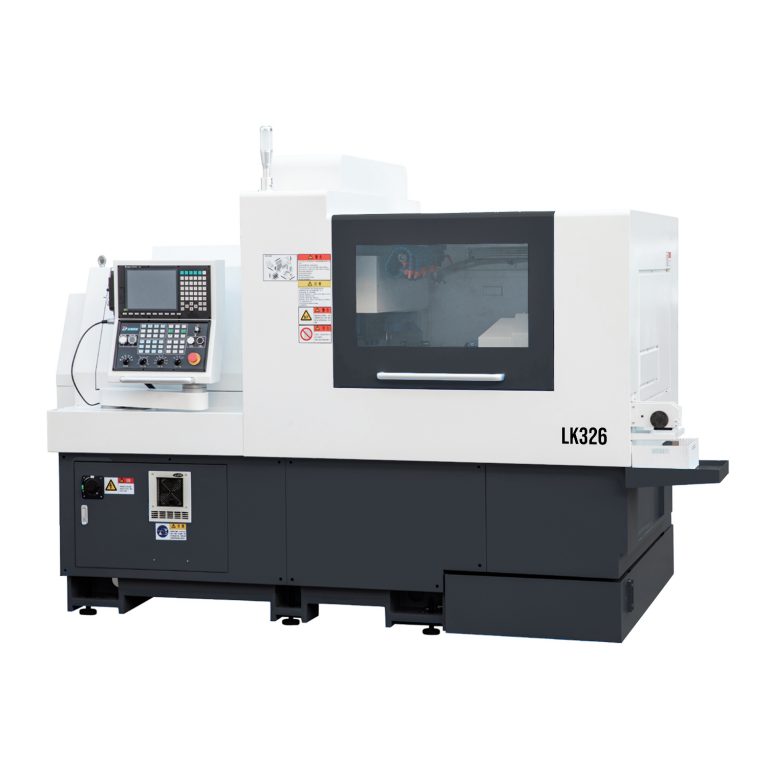
cnc lathe for sale listings promise repeatability and uptime, but the real problem usually lives in the interactions between people and controls. Many shops buy hardware and expect magic: a new machine, a fresh CNC controller, and suddenly everything should be faster. In reality, spindle speed optimization, tool turret selection, and G-code nuances still need human judgment. I’ve seen teams stuck wrestling tool offsets or reworking programs because tooling data wasn’t shared correctly. That creates rework loops and invisible costs that procurement rarely budgets for.
So why do these “fixes” fail? First, vendors often push specs (servo motors, power converters) without addressing on-site integration. Second, training is treated as a checkbox — one session, then back to production. Third, the data flow between CAD/CAM and the shop remains fragmented. Look, it’s simpler than you think: the shop needs coherent workflows, not just hardware. I don’t mean to be harsh — I’ve recommended machines myself — but we must stop treating buying as the end of the solution. What’s failing here?
What’s failing here?
The mismatch usually traces to three weak links: fragmented tooling data, inconsistent CNC parameter standards, and underused diagnostic telemetry. When those details are ignored, mean-time-to-repair and scrap rates climb. I’ll show how to spot these early in the next section.

Part 3 — Future Outlook: Practical Steps and Comparative Choices
Looking ahead, the edge of progress isn’t just faster spindles — it’s about connecting systems so teams see actionable signals before a part goes wrong. I’m talking about tying CAD/CAM outputs, tool libraries, and machine telemetry into clear work packets. Several cnc lathe companies are building this into their offerings now, bundling smarter software with machines so setup data moves with the job. That reduces guesswork and shortens setup time. I’ve tested a few flows myself — some worked well, others required tailoring to shop culture. — funny how that works, right?
Compare two approaches: buy-cheapest-and-train versus invest-in-integrated-systems. The former saves capital up front but costs cycles in rework and frustration; the latter nudges productivity faster but needs buy-in and new habits. For many shops, a hybrid path works best: pick machines with robust tooling APIs, invest in a single-source tooling database, and train teams on standardized parameter checks. Real change comes from repeatable routines more than from any single piece of hardware.
What’s Next?
To wrap up, I’ll leave you with three metrics I use when evaluating solutions: 1) Setup time per job (minutes) — does the package reduce it measurably? 2) First-pass yield (%) — does it lower rework and scrap? 3) Time-to-diagnose (minutes) — how fast can a tech identify and fix a fault? Use these to compare vendors and shop strategies. I recommend tracking them for 30–90 days after any change to see real impact. We owe our teams tools that reduce stress and let craft shine. For shops weighing options, consider tested partners and real-world support — and remember to look beyond specs to workflows. For trusted references, I turn to manufacturers who back their machines with clarity and service: Leichman.