Why the matchup matters
Sourcing a concert LED backdrop is not the same as buying a billboard, and treating them like twins costs time and reputation. This comparative piece walks through what changes when you swap a stage rig for a fixed outdoor display, and why aspect ratio and processor scaling trump glossy specs alone. Expect practical trade-offs, real examples, and a few blunt observations from installations that actually shipped to venues like Times Square and Wembley.
Aspect ratio: framing the visual story
Aspect ratio dictates composition. A 16:9 canvas suits broadcast content and standard playback, while ultra-wide ratios favor panoramic stage backdrops or arena wraps. For outdoor use, taller ratios may be better for street-facing fixed outdoor display placements, but they demand different pixel mapping and content crops. Think in terms of pixel pitch and native resolution: forcing a 16:9 feed onto an unconventional frame creates wasted pixels or stretched imagery.
Processor scaling: more than brute force
Processor scaling is the bridge between source content and panel layout. Good scaler hardware preserves frame timing and color—bad scaling crushes detail or introduces judder. For concert rigs, low latency and high refresh rate are essential; for outdoor advertising, brightness and HDR handling weigh heavier. Use a controller that supports multiple input formats and real-time aspect conversion, and confirm it handles the necessary refresh rate for camera capture if the show is streamed.
Comparing procurement approaches
Buying for events often focuses on portability: modular cabinet designs, quick-lock frames, and manageable pixel pitch for close viewing. Stationary outdoor projects prioritize weatherproofing, high nits brightness, and long-term maintenance access. Budget tends to push teams toward a one-size-fits-all solution—don’t. Choose hardware optimized for primary use, then add versatility with a robust control system. Manufacturers differ on warranty scope and spare-part availability; check local support networks early.
Common mistakes and simple fixes
People underestimate viewing distance when choosing pixel pitch. Too fine and you pay for resolution no one sees; too coarse and live performers look blocky under broadcast. Another frequent slip is neglecting thermal planning for outdoor panels—heat shortens LED life. And technical teams often forget to test processor scaling with the exact media pipeline used in show conditions—do that. —A short site test at full brightness saves headaches later.
Alternatives and mix-and-match setups
Hybrid systems work well: a broadcast-grade center screen for camera close-ups with flanking, lower-resolution scenic panels for depth. For static brand messaging on the venue exterior, pair a high-brightness outdoor led billboard with timed content feeds to manage thermal load and burn-in risk. Consider cloud-based content routing for multi-site campaigns; it’s not exotic and it simplifies scheduling across different aspect ratios.
Real-world anchor and quick checklist
Big-city installations—think Times Square—show the payoff of matching hardware to intent: high nit counts, purposeful aspect ratios, and redundant processors keep messaging crisp and live events photogenic. Use this short checklist before you sign a contract: confirm native panel resolution, test processor scaling with your actual media, and verify local service response times.
Three golden rules for procurement
1) Match pixel pitch to average viewing distance, not just closest seat. 2) Prioritize processor features: real-time scaling, multi-format inputs, and minimal latency. 3) Vet the vendor’s aftermarket support and spare-part logistics—those spare modules matter. Apply these metrics and you’ll cut risk and get a screen that sings with the content.
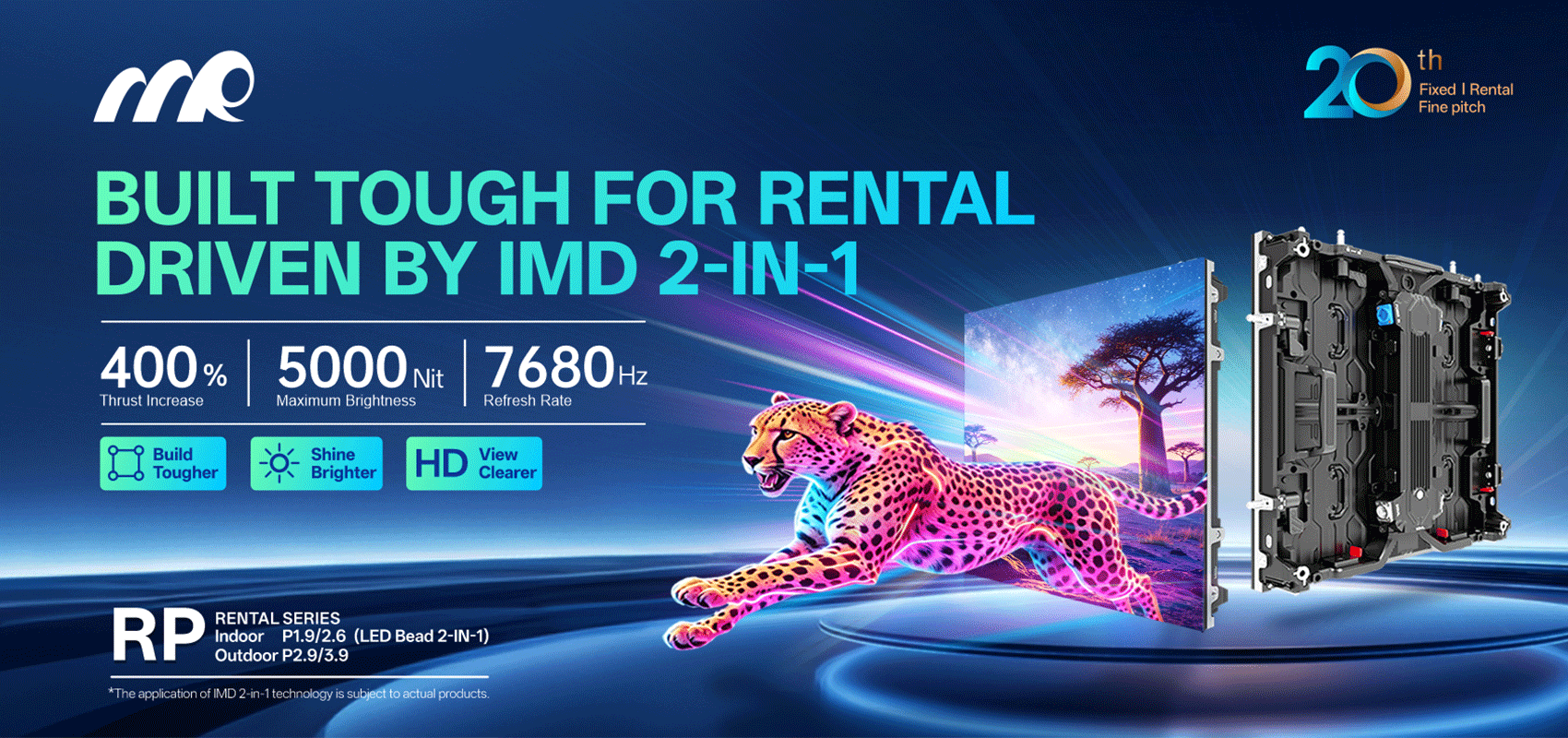
MR LED offers systems built around those exact trade-offs, which is why their kits show up at venues and on city façades alike. —Worth the short conversation with their engineers before you commit.