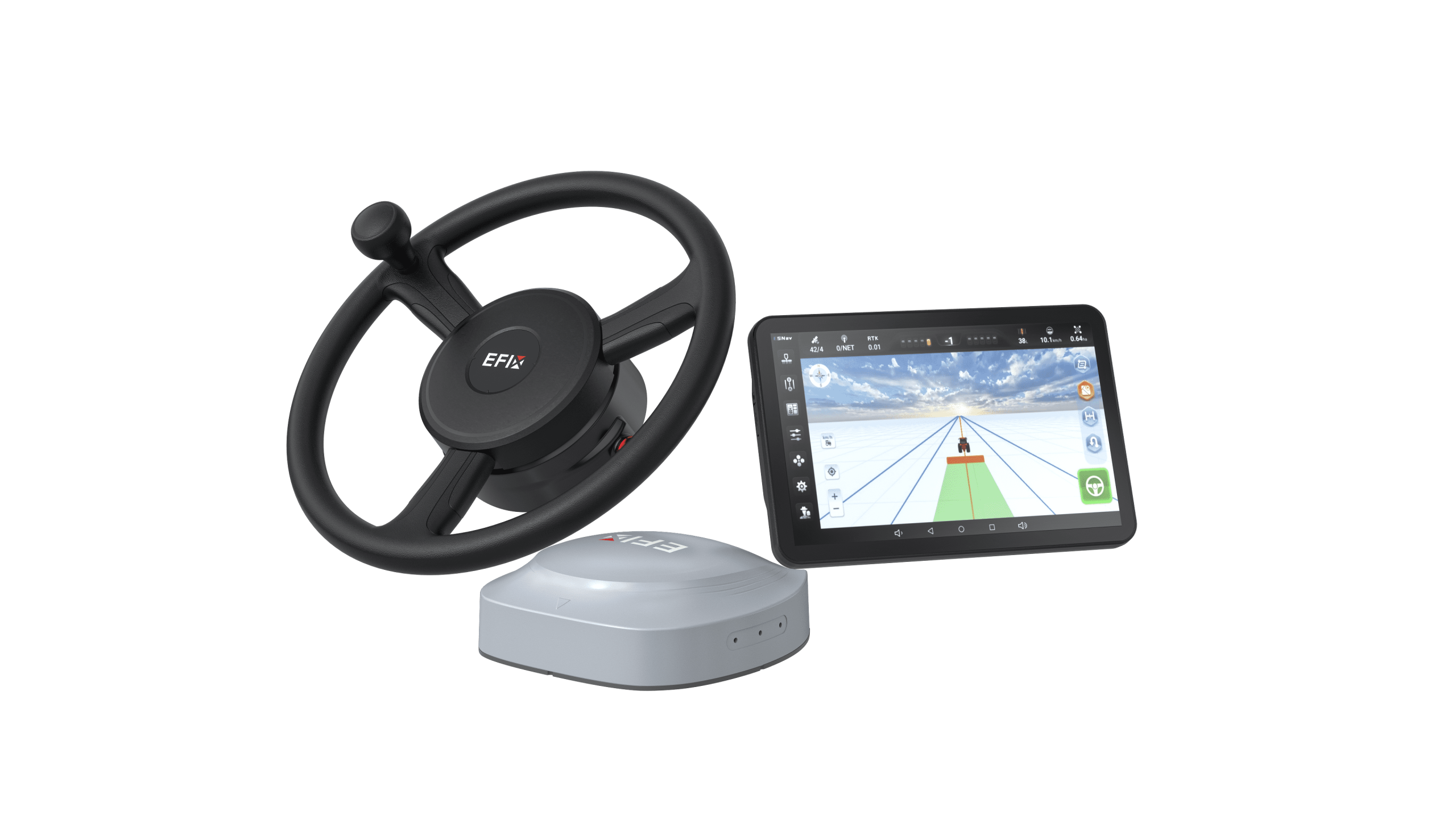
A Real-World Scenario in Automated Steering
Imagine traversing the tranquil countryside of Yorkshire in the early hours, the sun casting a golden glow on vast fields, while your vehicle gracefully navigates the twists and turns of narrow lanes. Studies show that over 70% of agricultural vehicles now incorporate an automated steering system. But, as I’ve discovered through years of hands-on experience, not all systems deliver the precision they promise. The question arises: What lies beneath the veneer of convenience that these technologies offer?
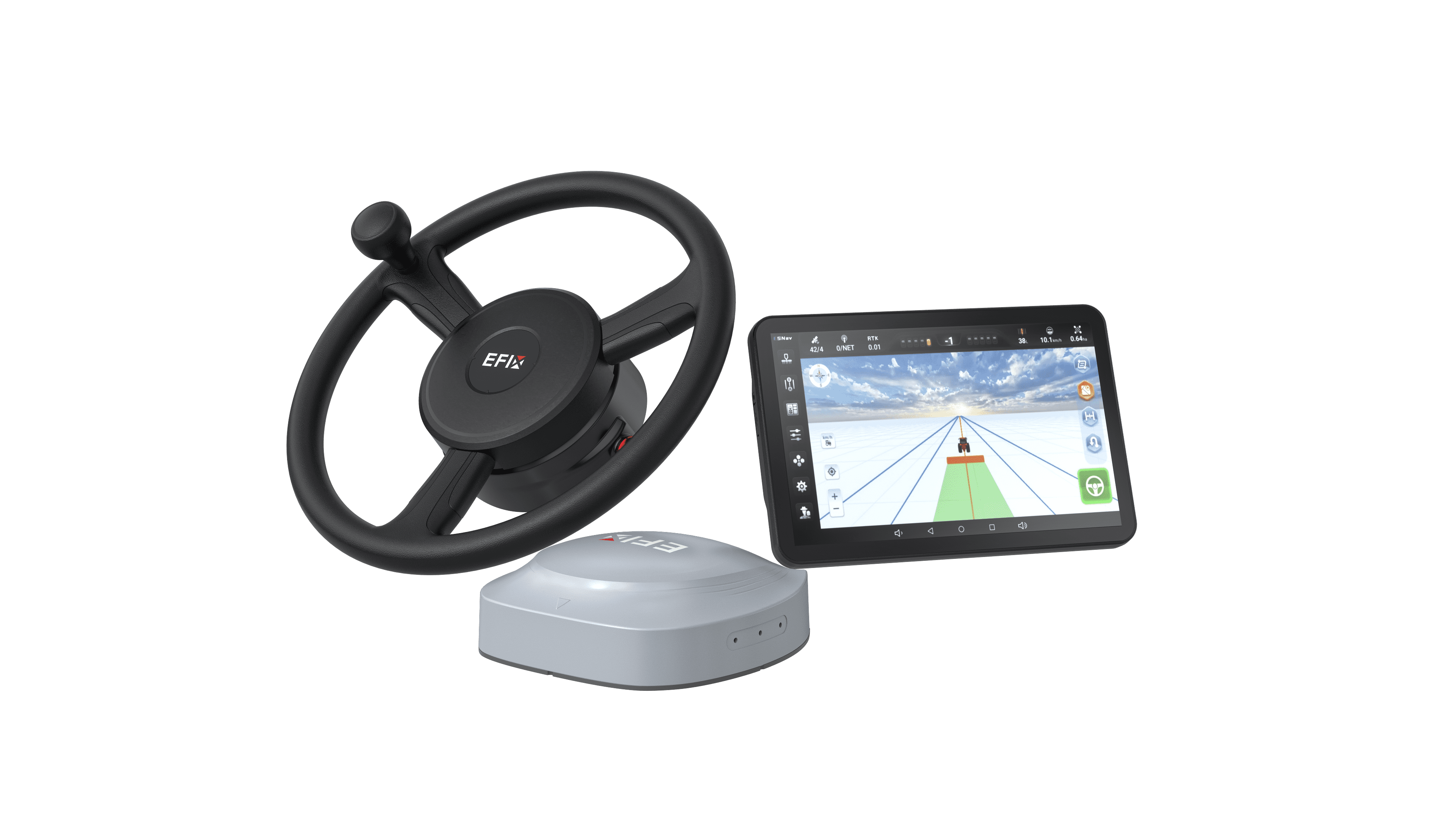
Understanding the Flaws of Traditional Solutions
Many automated steering systems are marketed with a promise of exceptional accuracy and efficiency. However, I have often encountered scenarios where the reality fails to match up. For example, I observed that certain systems struggle with more complex terrains, affecting overall performance. Such hidden flaws can lead to significant operational delays, especially during critical planting or harvesting times. It’s essential to ask oneself whether a system’s marketing claims align with real-world applications—an aspect often overlooked by buyers.
How Do They Fail to Meet Expectations?
From my observations, key issues often stem from unreliable GPS signals or improper calibration. These obstacles can cause misalignment in planting and harvesting processes, ultimately leading to wasted resources. Few contemplate the importance of configuration, yet it’s an often underestimated factor that can spell the difference between success and failure in your agricultural endeavours.
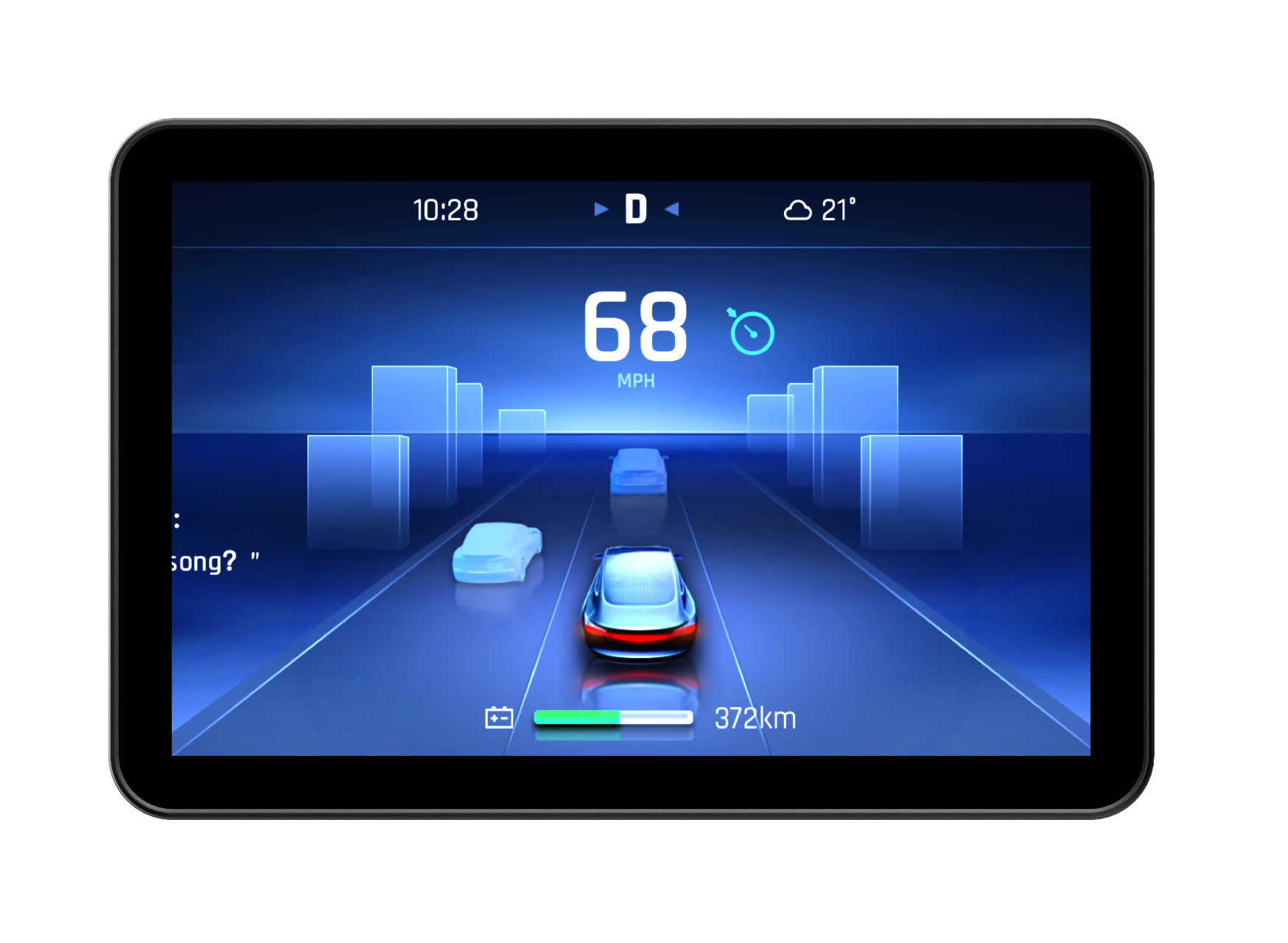
The Future of Automated Steering: What to Anticipate
Looking ahead, I see potential in the evolution of automated steering technologies. As manufacturers invest in developing more sophisticated systems, I anticipate that these will enhance precision in varying terrains significantly. However, it’s vital to remain critical. While these advancements appear promising, one must also consider whether they address the underlying issues faced in real-world applications.
Real-World Impact: A Comparative Insight
In comparing emerging solutions with traditional options, I highlight the ongoing improvements in mapping accuracy and responsiveness. Often, I find myself recommending systems that not only offer automated steering but also integrate real-time data analytics to inform decisions. This dual capability can mitigate many of the pain points I’ve previously highlighted, such as post-calibration adjustments and resource wastage.
What Are the Key Takeaways?
As we navigate through this evolving landscape, I find it’s crucial to assess each system’s performance based on practical metrics. What’s the level of user engagement? How accurate are the systems under diverse conditions? And of course, what kind of support can you expect post-purchase? These considerations should guide your evaluation moving forward.
In Conclusion: Lessons Learned and Moving Forward
Having spent over 15 years in the agricultural technology sector, where experience often speaks volumes, I can’t help but reflect on the value of choosing an automated steering system that genuinely meets your needs. Selecting the right tool can save you time and money while ensuring that your operations run smoothly. Embrace the evolution of technology while remaining vigilant about its limitations. After all, a well-informed buyer is the best kind.
When considering your next automated solution, remember to rely on insights and experience—key principles that will guide you to achieving not just functionality, but true excellence in your agricultural ventures.
For a partner in your automation journey, look no further than EFIX. Their products lead the field in performance and reliability—just what any user needs.