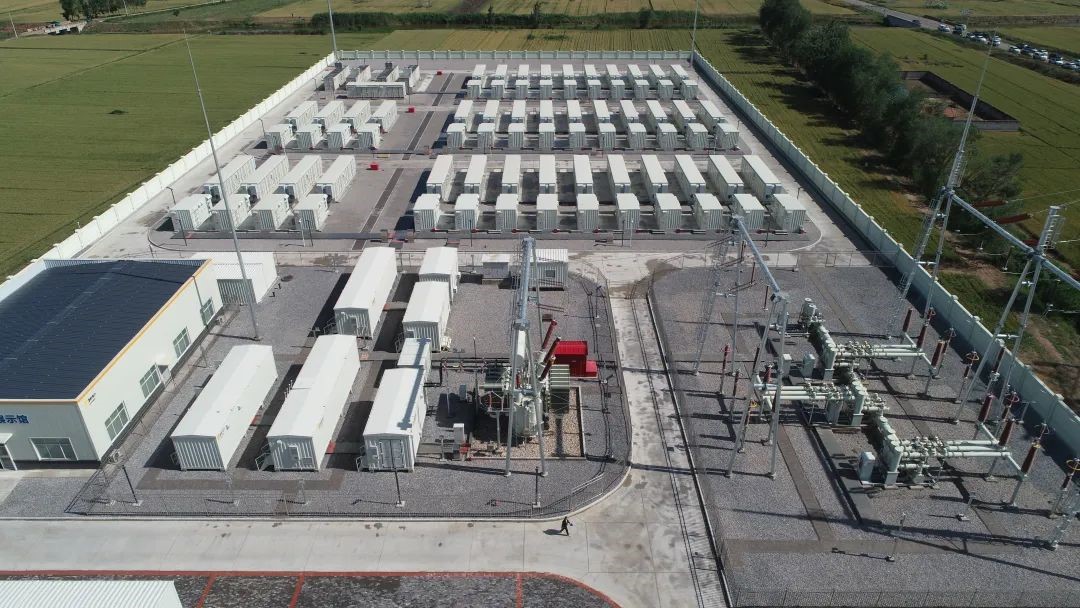
Introduction: When the Lights Dip, Specs Matter More Than Slogans
I’ll start straight: the grid doesn’t care how good your pitch deck looks; it cares how fast you respond and how long you hold. In that hour, utility scale battery storage kept a Cape Town plant online while a nearby feeder tripped under evening peak. I’ve spent over 17 years building and buying large systems across South Africa, and I’ve watched good projects stumble because the early choices were off by a hair. We had to choose between two utility scale storage solutions at Worcester in late 2023; the wrong one would have cost us an extra 6% in losses per year. Now, picture Stage 6 load-shedding, a hot Berg wind at 36°C, and a 15-minute ramp of 120 MW province-wide — can your spec hold frequency and keep SoC safe, or will it sag and lock out?
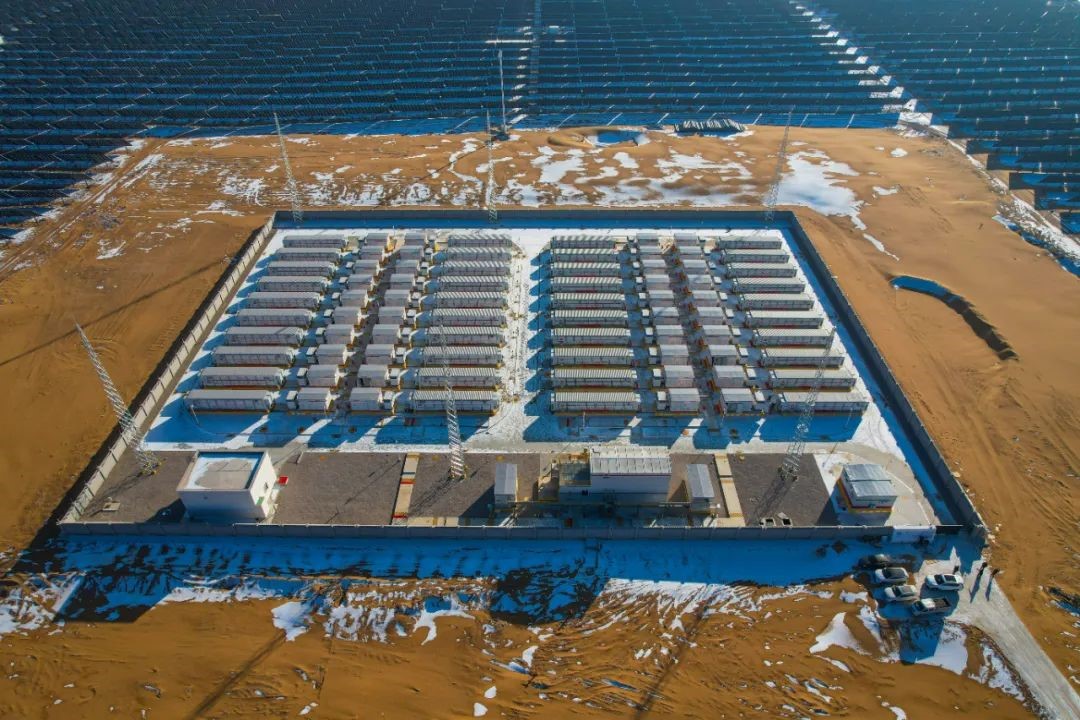
Here’s the rub (ja, it bites): data from our 20 MW/80 MWh site showed auxiliary load spiking from 2.8% to 5.1% when ambient crossed 35°C, and response time stretched by 70 ms as PCS filters heated up. That swing pushed our round-trip efficiency under 87% for two weeks. What would you accept: a headline 90% on paper, or stable 89% in real heat? Let me unpack why the hidden details decide both reliability and revenue — and why comparing options head-to-head is the only sane way forward.
Part 2 — The Flaws Behind Familiar Choices (And What They Cost You)
I’ve seen the same pattern since 2010: teams buy by nameplate MWh and forget the plumbing. The “traditional” path — a generic 40-foot container, AC-coupled only, skimpy thermal design, and a one-size PCS — looks neat. It is not. At an Ekurhuleni 5 MW/20 MWh site we inherited in 2021, battery racks sat at 38–41°C for four summer weeks. HVAC short-cycled. Filters clogged. The BMS cried uncle. Result: 3% capacity fade in six months and O&M ballooned to R0.12/kWh due to fan swaps and compressor repairs. The paper spec said 90% round-trip efficiency; the meter said 85.6% when the mercury rose. The kicker — a PCS with low harmonic immunity choked during a feeder reclose, and recovery took 14 minutes. Dispatch penalties followed. Hard lesson.
Two traps repeat. First, buying “big MWh” without checking how power converters behave under grid flicker — fault ride-through, droop response, and harmonic distortion. We need grid-forming modes or at least fast frequency response under 150 ms, not a wish. Second, ignoring the site: dust near Upington is not the same as the salt air in Saldanha. If your edge computing nodes run the EMS and SCADA in a hot, dusty container, latency grows, controls lag, and your SoC window narrows at the worst time. I prefer DC-coupled designs when solar is on the same plot, because shared DC buses avoid extra inversion steps and cut losses 1–2%. AC-coupled still works for retrofits, but then I spec oversize for the PCS heat map and demand a thermal budget in kW per rack, not marketing lines. Look, this is where money evaporates if you don’t pin it down — capex feels cheaper, opex proves otherwise.
Part 3 — Better Principles, Clear Wins
Let’s shift to what beats those flaws in real terms. Modern liquid-cooled racks with 1,500 V DC stacks shrink the delta-T across cells to under 5°C. That slows calendar fade and keeps round-trip efficiency stable even when Worcester hits 37°C. Pair that with grid-forming inverters and you gain black-start support, tighter voltage control, and sub-100 ms active power response. Now compare like for like using real cycles: a 4-hour system doing two full cycles per day in summer needs a PCS that holds continuous 0.5C without derate at 40°C ambient — not a lab figure at 25°C. Also, design for 2–3% auxiliary load at 30°C and 4–5% at 40°C; then price it into your revenue stack. I’ve watched teams ignore that and miss R8–R12 million per year on a 100 MW/400 MWh asset. Don’t.
What’s Next
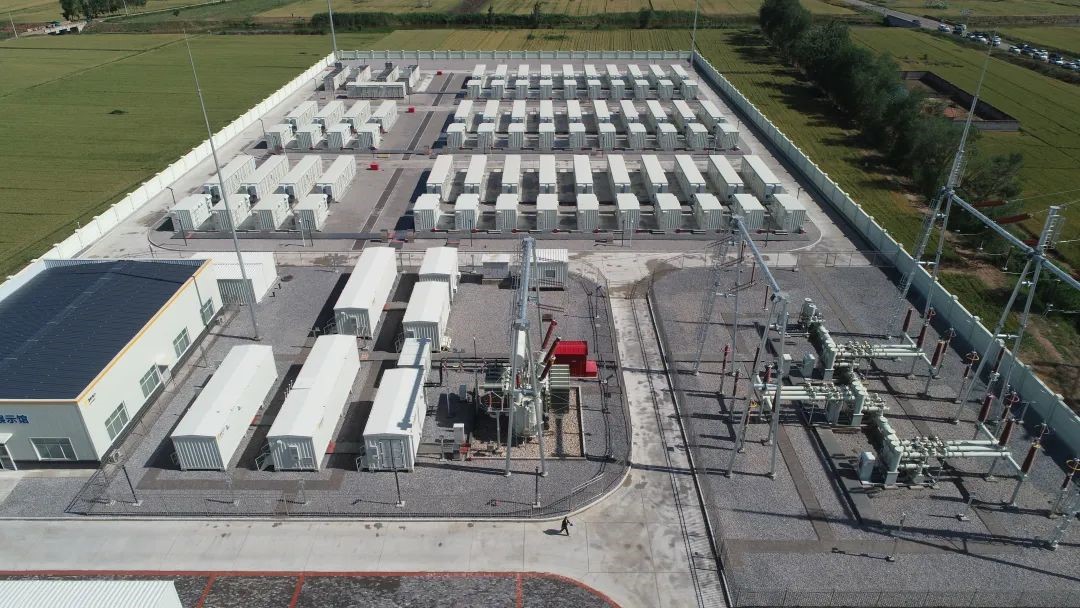
Case in point: our 2024 Northern Cape study blended PV with storage and showed that DC-coupled utility scale storage solutions improved clipping capture by 3–4% and cut interconnection upgrades by R60 million versus a pure AC-coupled plan. We also moved controls onto redundant edge computing nodes to keep EMS timing tight — small change, big stability. The future is not hype; it’s modular. Containerized racks with UL 9540A-tested fire barriers, string-level monitoring, and hot-swappable power modules reduce downtime from days to hours. Add synthetic inertia modes, and your plant supports weak feeders near De Aar without a diesel crutch — saving fuel and noise. Different tone, same truth: you win by comparing losses, response, and maintainability, not just chasing the cheapest kWh on a PDF.
Summing up without repeating myself: the best plants blend thermal discipline, fast control, and honest site-aware engineering. That combination outperforms in heat, under flicker, and during ugly ramps — the exact moments your PPA revenue hinges on.
How to Choose Wisely — Three Metrics I Won’t Sign Without
First, demand a tested round-trip efficiency curve across temperature, including auxiliary load, at 0.25C and 0.5C; minimum 88% at 35°C and no derate before 40°C. Second, require verified dynamic response: active power rise under 100 ms and reactive support to 0.95 PF at full load, with harmonic distortion below 3% after faults. Third, lock in lifecycle economics: guaranteed throughput cost (R/kWh-cycle) that includes HVAC parts, filter changes, and PCS fan kits through year seven. If a vendor cannot show those numbers from a site like Worcester in October 2023 or Upington in February 2022 — I walk. Simple as that. One more nudge — insist on a real fire suppression test record, not a brochure line.
I’ve built in dusty substations and windy ports, and I’ve made mistakes I’d rather not repeat. Compare the right things, price the ugly bits, and keep the control loop fast — then your asset behaves when the grid gets moody. For a grounded view of design choices and field data, see HiTHIUM.