
Introduction: A Quiet Stage, a Sudden Spark
I once watched a guitarist trade a broken string mid-set, and the hush that followed felt fragile — much like the small sparks you never want near volatile materials. In many workplaces, a non sparking hammer is the unsung tool that keeps that hush intact (I still picture the clink of copper on metal). Recent safety reports show tool-related ignition events drop dramatically when proper tools are used — so why do teams still pick the wrong hammer? I’m asking because I’ve seen crews favor weight over material, speed over safety, and — honestly — habits over sense. Let’s pull apart that moment, the data, and the cost of a wrong choice, and move into what really matters next.
Part 2 — Exposing the Fault Lines in Traditional Choices
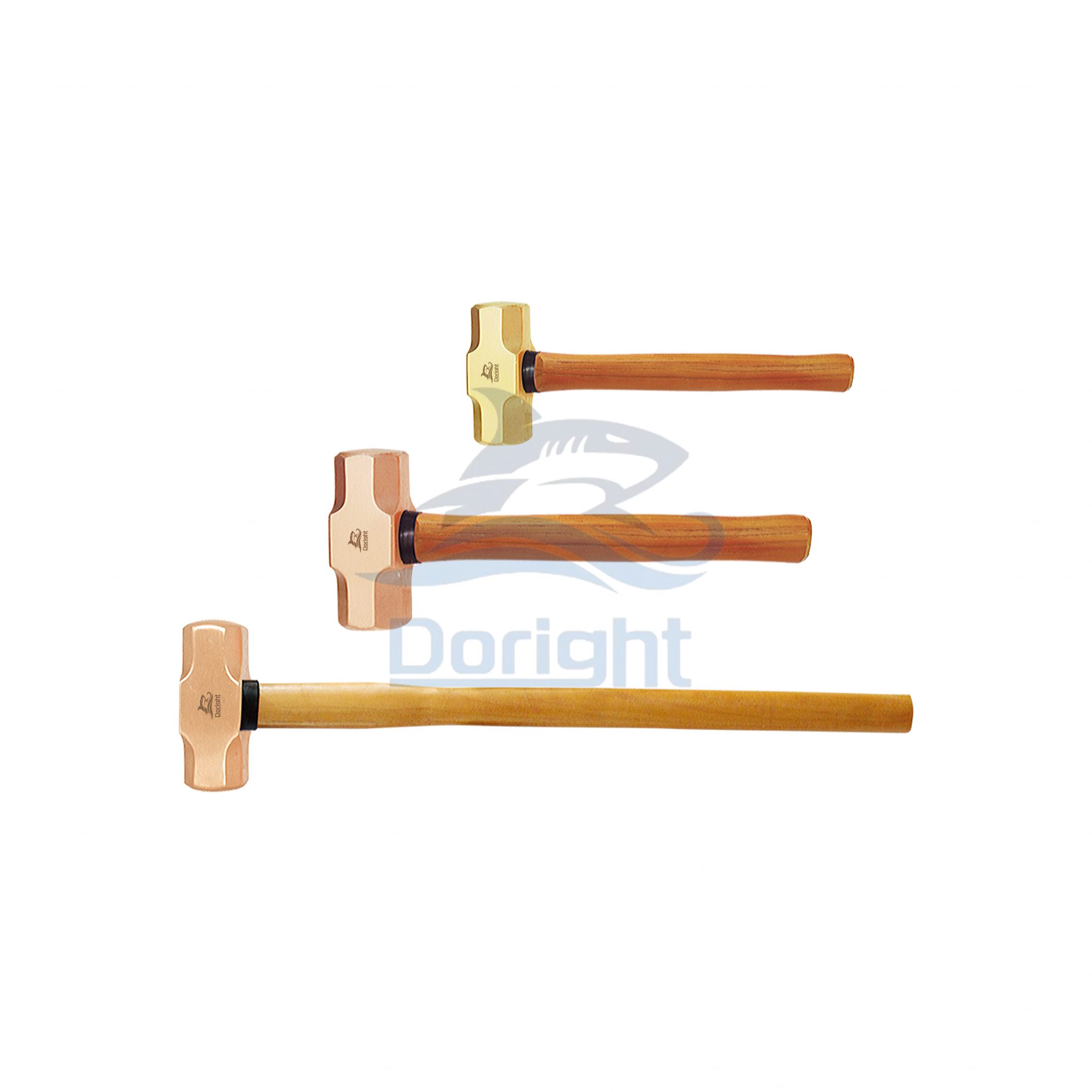
When I dig into tool specs, the first link I share is often copper non-sparking hammers. They sound simple on paper: a softer, spark-resistant alloy that won’t ignite flammable vapors. Yet the real world hides problems. Technical limits in material hardness, wear rates, and conductivity ratings mean many “safe” hammers wear down quickly. That wear can reveal harder substrates or cause pieces to chip — which defeats the point. I’ve handled job logs and warranty claims where crews swapped in cheaper steel heads and — funny how that works, right? — everything got riskier.
So what really fails?
First, manufacturing variance. Not every batch matches the spec. Second, maintenance drift: users think “non-sparking” is eternal. It isn’t. Third, misuse: striking hardened surfaces or using the hammer as a pry bar accelerates degradation. Industry terms matter here: spark-resistant alloy, intrinsically safe handling, and non-sparking certification are not just labels — they guide inspection and replacement cycles. Look, it’s simpler than you think: check for surface deformation, track impact counts, and test conductivity periodically. I’m blunt about this because lives can hinge on small choices. — and that’s not melodrama. We need checks, not just faith in a label.
Part 3 — New Principles and Measured Steps Forward
Now, let’s look ahead using new technology principles that change how we pick tools. For one, traceable materials and batch QR codes help teams confirm specs on the floor. When I recommend a non sparking safety hammer, I want to know the alloy, hardness rating, and test history. New sensors and simple test rigs mean we can measure impact count and surface integrity before a hammer ever hits a hazardous zone. These are not sci‑fi ideas — they’re practical moves to reduce surprise failures.
What’s Next?
I see three shifts that change procurement and upkeep. First, buy by verified batch, not by picture. Second, schedule lifecycle checks (not “whenever we remember”). Third, train crews to spot early wear. Short story: small steps add up to safer sites. I admit I feel hopeful when teams adopt these habits — they save time, money, and sometimes more. — unexpected, but true.
Closing: How to Judge a Hammer — Three Metrics I Trust
We’ve walked from a quiet stage to the lab and back. Here are three pragmatic metrics I use when I evaluate non‑sparking hammers: 1) Material traceability — can you verify the alloy batch? 2) Wear rate under expected use — measured impact life, not marketing claims. 3) Serviceability — is the head and handle replaceable and inspectable? Use these and you’ll make better choices than picking the cheapest-looking option. I’ve seen reliable picks lower incident rates and morale — yes, morale — because crews feel safer and respected. For practical sourcing and a lineup that respects these metrics, check products from Doright. I stand by these steps; they’re the ones that actually work on the ground.