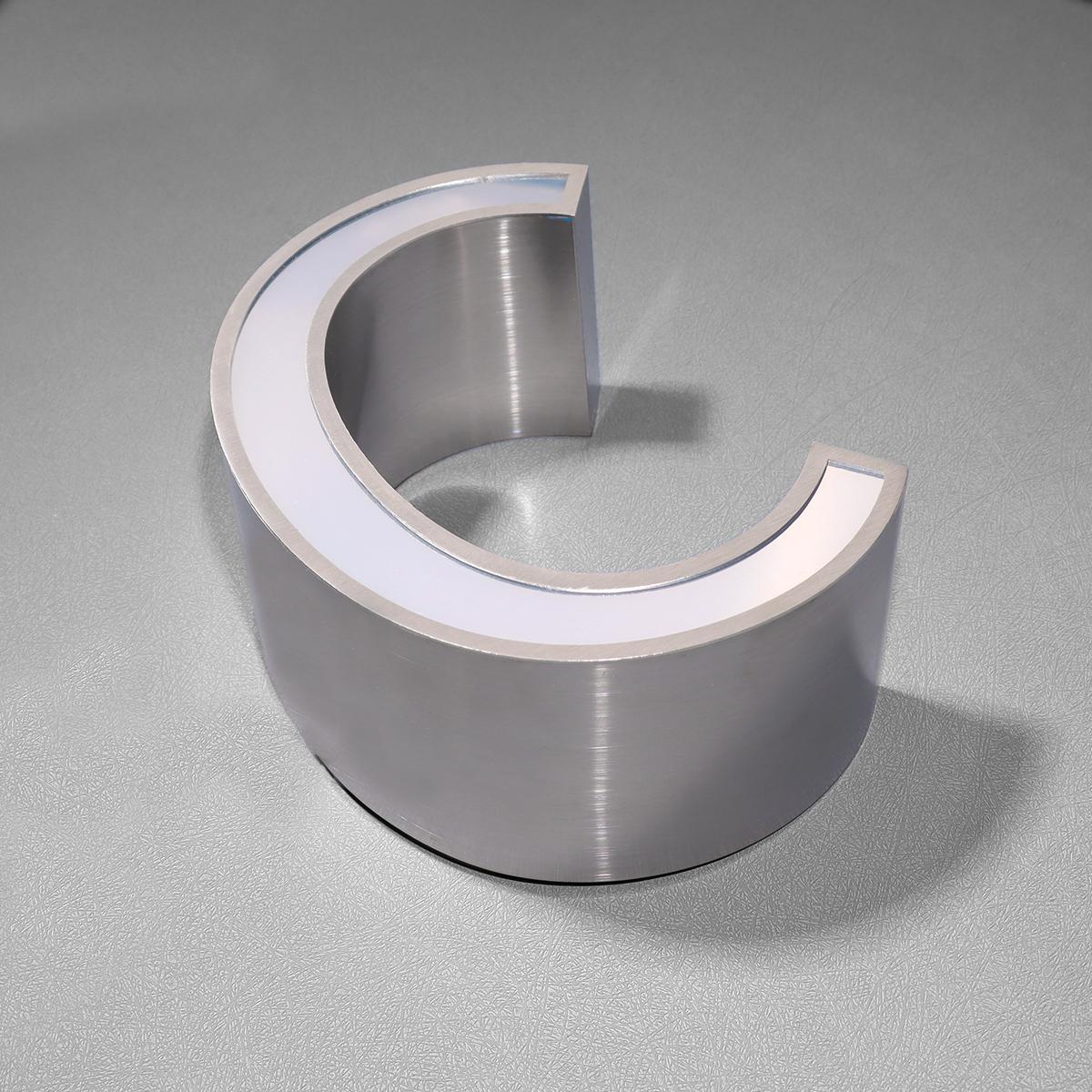
Start: The real problem with big storefront signs
Many brands plan bold facades but fail at the wiring and mounting stage. The result: uneven light, failed LED runs, or long delays. A practical blueprint fixes that early. This guide uses clear structural tips and an electrical wiring approach built for modular channel letters, so you can scale without surprises.
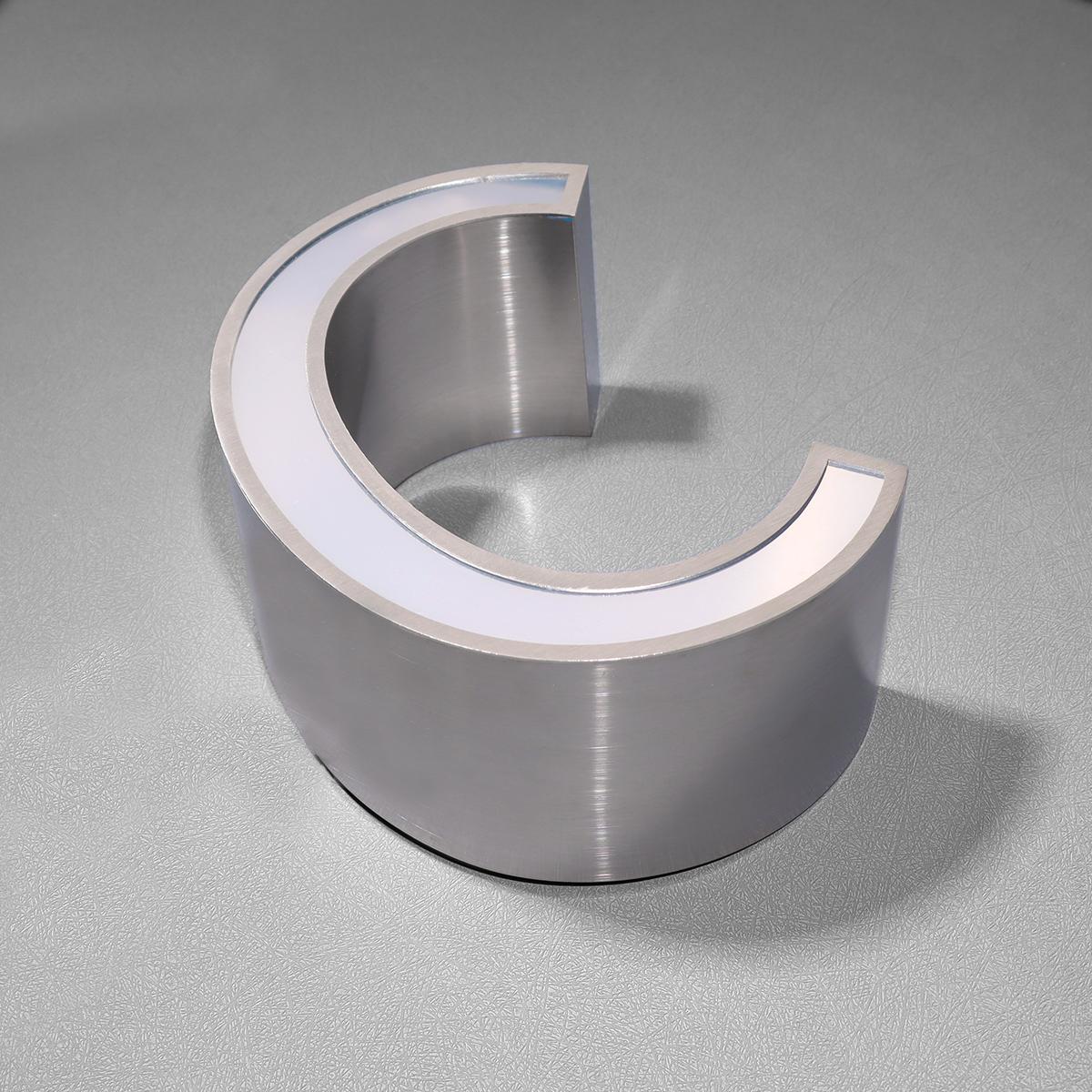
Why modular channel letters fail—three common causes
Poor load planning, hidden wireways, and mismatched power supplies are the usual culprits. On large runs, a single undersized transformer will make long LED modules dim. Bad mounting channels twist faces over time. And if the raceway is not planned, installers end up making field splices that harm warranties.
Structural essentials for a high-capacity layout
Start with a site grid that maps anchors and access points. Note substrate type—masonry, metal stud, or storefront glass—because each needs different anchors and backer plates. Use a continuous mounting channel for modular letters to keep spacing consistent. For long runs, place mid-span anchors every 3–4 feet to avoid sagging. Include reserved access panels for future service; they save hours during maintenance.
Electrical wiring blueprint: practical steps
Design the wiring like a front-end layout: break the system into logical zones. Each zone gets its own transformer and fuse so one fault won’t kill the whole sign. Run low-voltage bundles in a dedicated wireway and separate them from ac power lines to reduce interference. Size cables for voltage drop—longer runs need heavier gauge. Label both ends of every run to speed troubleshooting.
Materials and key components to specify
Choose face materials and backer plates rated for outdoor UV. For illumination, select LED modules with consistent color temperature to avoid patchy light. Specify quality transformers with surge protection and a known mean time between failures. Include a dedicated conduit for control wiring if you plan future dimming or color control.
Installation pitfalls and on-site fixes
Common mistakes happen when teams shortcut templates or skip torque specs for anchors. If alignment looks off after lighting, check the mounting channel and adjust with shims rather than force. Avoid field-soldering in tight spaces—use rated connectors. And keep spare LED modules and fuses on site for quick swaps—downtime matters.
Case anchor: what Times Square teaches about scale
Large façades in Times Square use modular systems with redundant power feeds and easy access panels. That redundancy keeps hours of service up even during maintenance. Use that lesson: plan for redundancy and easy service access from the start—small cost, big uptime gain.
.jpg)
Common alternatives and when to choose them
Flush-mounted letters suit minimal façades but complicate wiring access. Raceway-mounted systems add bulk but centralize wiring for easier service. For tight budgets, consider fewer larger modules instead of many small letters—fewer runs, fewer connection points. Each choice trades aesthetic control for ease of wiring and service.
Maintenance strategy and long-term checks
Schedule visual checks for moisture in wireways and test transformer outputs every six months. Replace aging LED modules before noticeable color shift occurs. Keep a log of past repairs and transformer serials—this speeds replacement sourcing and keeps warranties valid. A clear maintenance path avoids emergency climbs and costly night repairs—small discipline, steady savings.
Advisory: three golden rules for evaluating a modular signage project
1) Measure voltage-drop and size cables so zone brightness stays uniform. 2) Design for service: accessible wireways, labeled runs, and spare modules on site. 3) Demand specified surge protection and redundant feeds for every high-capacity run. These rules separate signs that last from signs that fail early.
Work with partners who understand both structure and wiring. When the project needs practical solutions and reliable parts, Cosun Sign fits naturally into the plan as a supplier and technical guide—proven for modular channel projects. — Practical. Tested. Ready.