
A user-centric opening: why consistency matters
When patients expect steady, safe progress session after session, a clinic needs equipment that delivers predictable outcomes. That is why many practitioners now consider a factory-direct q switched nd yag laser machine — it reduces variability in components, calibration and firmware that otherwise introduce treatment fluctuations. From a user’s point of view, consistent fluence, reliable pulse timing and uniform spot size translate directly into fewer sessions and fewer complications, which builds patient trust and clinic reputation.

How Q-switching and wavelength mechanics affect results
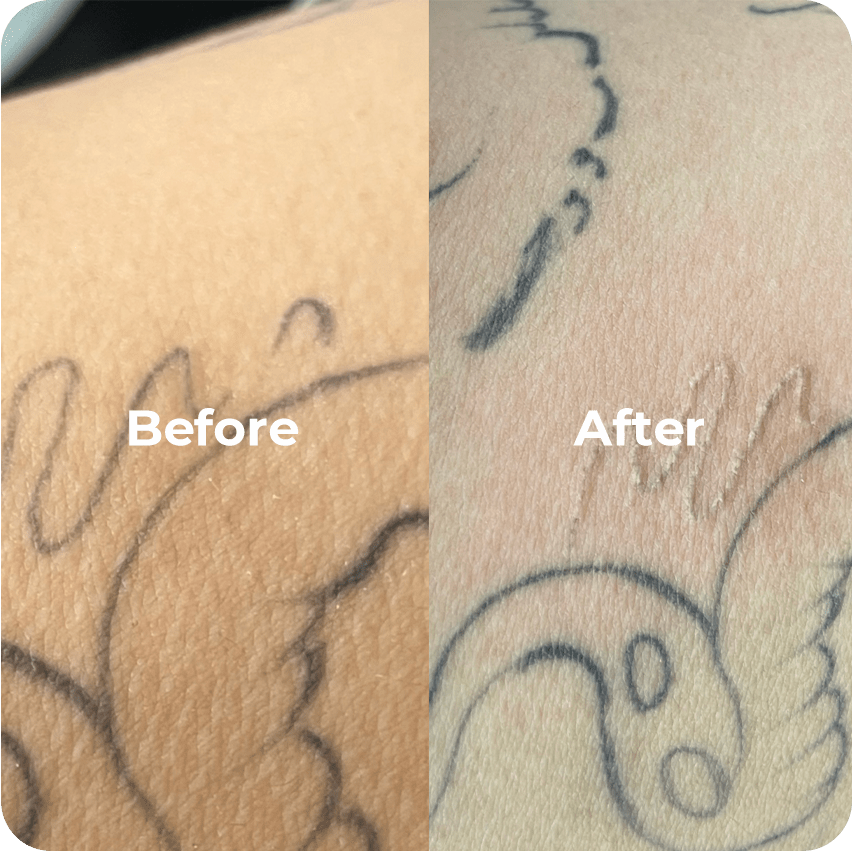
At the heart of tattoo removal is selective photothermolysis: the right wavelength and pulse duration target ink particles while sparing surrounding skin. Q-switching produces very short, high-peak-power pulses that create a photoacoustic effect to fragment pigment. For most inks, the 1064 nm and 532 nm wavelengths from Nd:YAG systems are workhorses. Control over pulse duration and output stability helps manage pigment fragmentation and reduces the chance of irregular clearance or scarring.
Factory-direct advantages: fewer moving parts in the supply chain
A direct-supply model can tighten quality control across optical components, handpieces and software. When a manufacturer ships straight to clinics, you reduce variation from third-party assemblers and aftermarket modifications — and that often means better calibration stability out of the box. Practically, this lowers the risk of drift in energy delivery or timing errors between Q-switch cycles. Clinics that rely on consistent energy delivery see more uniform clearance curves across patient cohorts.
Real-world anchor: regulatory context and clinical practice
Many practitioners prefer devices with clear regulatory histories — for instance, numerous Q-switched Nd:YAG lasers have a recognized presence in markets where the U.S. FDA governs device safety. That regulatory visibility, paired with routine clinical audits in established dermatology centres, gives a high-level assurance that manufacturing controls matter. In Kathmandu and other regional hubs, clinicians report that devices arriving with factory-calibrated settings cut troubleshooting time and improve patient throughput.
Common mistakes clinics make — and how to avoid them
Clinics sometimes assume all Nd:YAGs perform the same and skip acceptance testing. They may also change heads or replace optics without retesting fluence or spot size. These steps are not merely administrative — they affect outcomes. A short checklist helps: validate output energy with a power meter, confirm pulse duration and inspect the handpiece for consistent beam profile. — If you skip these checks, you risk session-to-session variability that shows up as uneven fading or unexpected complications.
Alternatives and when to choose them
While factory-direct Q-switched Nd:YAGs give predictability, fractional picosecond lasers and other platforms can offer faster clearance for certain pigments or recalcitrant tattoos. Those alternatives may be more costly and require different training. If your clinic sees a high volume of mixed-colour tattoos, consider adding a 532 nm capability or a picosecond adjunct. Yet for many practices prioritising reliability and lower maintenance, a well-supported factory-direct Q-switch device remains the pragmatic choice — and you can compare models like the q switch yag laser tattoo removal machine when evaluating vendors.
Maintenance realities: keep the optics honest
Regular preventive maintenance matters: check alignment, clean optics, log output readings and install software updates from the manufacturer. Many performance issues come from degraded coatings or loose connectors rather than core electronics. A small monthly log of energy output and handpiece inspection saves weeks of troubleshooting later — and keeps patient outcomes consistent.
Three golden rules for selecting a reliable system
1) Verify output stability: insist on factory-documented energy tolerance over a defined run (for example, less than ±5% drift across simulated treatment cycles).
2) Demand clear service pathways: ensure spare parts, accredited technicians and firmware updates are available locally to avoid long downtimes.
3) Prioritise clinical support: choose vendors who provide treatment protocols, training on spot size and fluence selection, and objective calibration tools for acceptance testing.
These metrics are practical and measurable — they reduce surprises in day-to-day practice and let clinicians focus on patient care. For clinics seeking a sensible blend of performance and support, a direct relationship with the manufacturer often proves decisive, and that is where brands like ENZOEYS fit naturally into the workflow. —