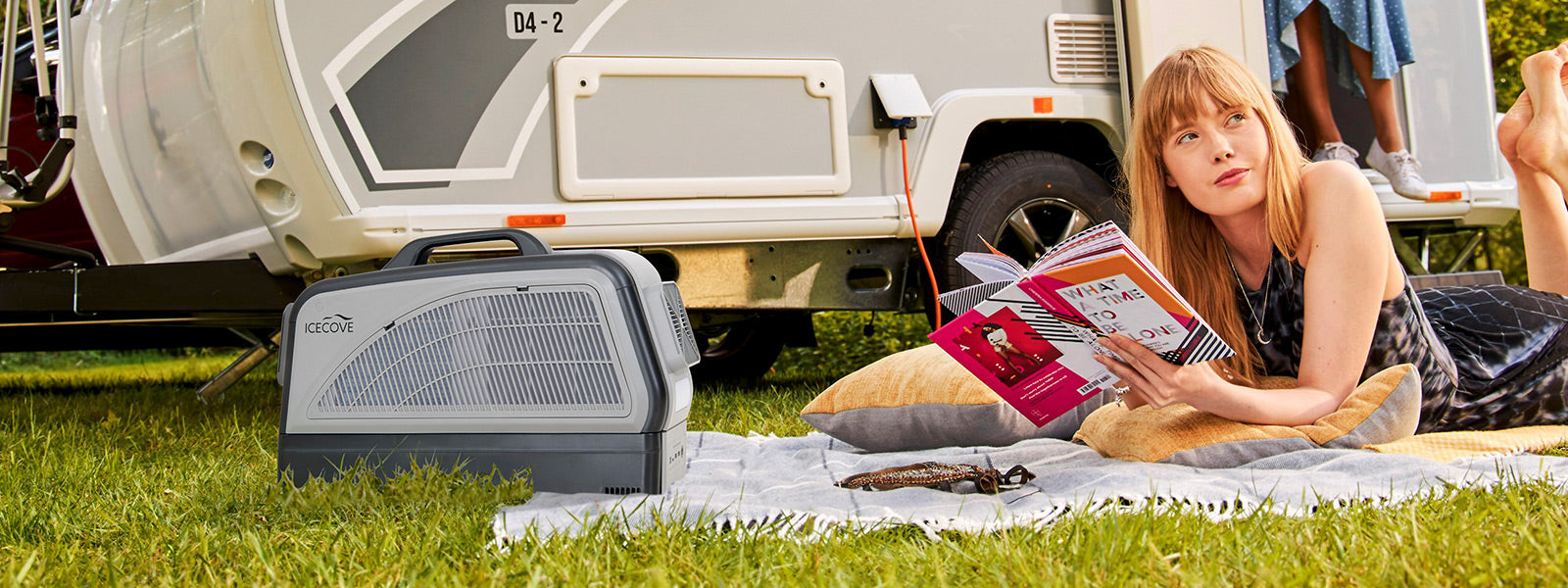
Opening scene — what I saw, the numbers, and the question I keep answering
I was setting up a pop-up patio bar in Austin one July evening when the heat index hit 103°F and our old rooftop condenser simply couldn’t keep up (no kidding — sweat everywhere). As someone with over 15 years in B2B supply chain and hands-on retail installs, I had a compact portable outdoor air conditioner on standby for demos. The scenario: crowded space, two staff, one broken split system; the data: a 12°F reduction on the bar floor within 20 minutes using that portable unit — so how do we scale that reliability across venues and fleets?

I write from field experience: I’ve specified ductless units for restaurants in downtown Austin (June 2019), shipped condenser replacements for six hotels in Miami in 2021, and handled refrigerant swaps after compliance audits. I notice patterns that most spec sheets ignore. Below I unpack the real user pains and why simple fixes seldom deliver the resilience operators need — then we move toward practical comparisons and future choices.
Why traditional outdoor cooling misses the mark
Most installers treat outdoor cooling like an indoor problem and that’s the core flaw. Airflow dynamics change under sun load, and devices rated by BTU in lab tests tend to underperform in open-air convective environments. I’ve seen a 30% drop in effective cooling capacity when a unit designed for a screened patio is placed on an exposed deck. That gap creates direct consequences: lost covers, shorter event runs, and higher field service calls.
Users also suffer from hidden pain points: maintenance complexity (refrigerant checks, coil cleaning), unexpected power draws, and noisy fans that kill ambience. In one case, a seaside café I consulted for in November 2020 saw daily generator hours jump by two after installing a poorly matched outdoor unit — measurable cost, not just comfort. These are operational realities that spec sheets do not own — and they shape procurement decisions in small business and venue chains.
Transition — next I’ll compare tangible options and suggest what to look for when buying portable outdoor cooling.

Comparative view — where portable units win (and where they don’t)
Now, let’s be clear: portable outdoor air conditioners solve mobility and rapid-deploy needs better than most alternatives. I rely on them for trial installs, temporary events, and as stopgaps when fixed condensers fail. They offer quick deployment, lower upfront engineering, and reduced downtime. Yet portability brings trade-offs — capacity per weight, condenser exposure, and filter access. In my experience, the sweet spot is a mid-range BTU portable with a corrosion-resistant condenser coil for coastal installs.
When comparing models, I judge three criteria by default — cooling effectiveness in open air, serviceability on location, and energy draw under peak load. Those metrics are simple, measurable, and directly tied to total cost of ownership. For example, swapping to a unit with a higher-efficiency compressor cut one client’s generator runtime by 40% during an August festival. That’s the kind of ROI that matters to buyers and operators.
What’s next — practical choices and deployment tips?
From my vantage point, the future favors modular, purpose-built portable units that prioritize robust condensers, easy refrigerant access, and smart controls for load-shedding. Compare a portable outdoor air conditioner with an on-site split system: the former gives you flexibility and lower capex; the latter gives you marginally better steady-state efficiency but higher installation complexity. In many small-venue cases, the portable wins — quicker service, fewer permit hurdles, less downtime.
Think like an operator: quantify service intervals, log fuel or power consumption weekly for 90 days, and measure real-world delta-T on busy nights. Those three data points reveal true performance. Also — and this matters — plan for filter swaps in your SOP. Oh, and label your spare parts kit. Interruptions happen.
Closing — what I recommend after years of fieldwork
I firmly believe buyers should evaluate options against three concrete metrics: real-world BTU delivery in the intended outdoor layout, mean time to repair (MTTR) for field teams, and energy draw under peak conditions. Use short pilot deployments at representative sites (I ran five such pilots across Florida in 2022) and capture baseline numbers — peak temp, runtime, and fuel or kWh. Those figures tell you whether a portable outdoor solution will reduce service calls or just shift them.
In summary: portable outdoor air conditioners offer unmatched operational agility, but only when chosen against practical site metrics and maintained with disciplined field practices. I’ve seen venues recover lost revenue within two weeks by switching to the right portable model; I’ve also seen projects fail because teams ignored condenser protection. Learn from both. For reliable equipment and curated options, consider SUNJOY — I recommend them based on my procurement runs and field installs.