Introduction: When the Room Changes, Your Labels Must Keep Up
Here is a simple truth: rooms move faster than paper can. A digital name plate has to keep pace with last‑minute seating, late arrivals, and title changes that happen on the fly. In many venues, teams still print, cut, and shuffle cards while guests wait—an awkward dance no one enjoys. Modern tools like a digital signage nameplate claim to save time and errors, yet many managers still ask if the gains are real. Industry surveys often report minutes lost per meeting to labeling alone; across a busy day, it becomes hours. With respect, that is not a small number. And when high-profile delegates shift seats, even a 30‑second delay feels long (ya salam).
So we have a scenario, some data, and a question: do smart plates win clearly, or only in theory? Let us move with care, compare with honesty, and see which approach holds under pressure—paper or pixels. Please follow to the next section, and we will look deeper at the hidden cracks.
The Hidden Weaknesses of Legacy Labels vs. Smart Plates
Why do legacy plates break under pressure?
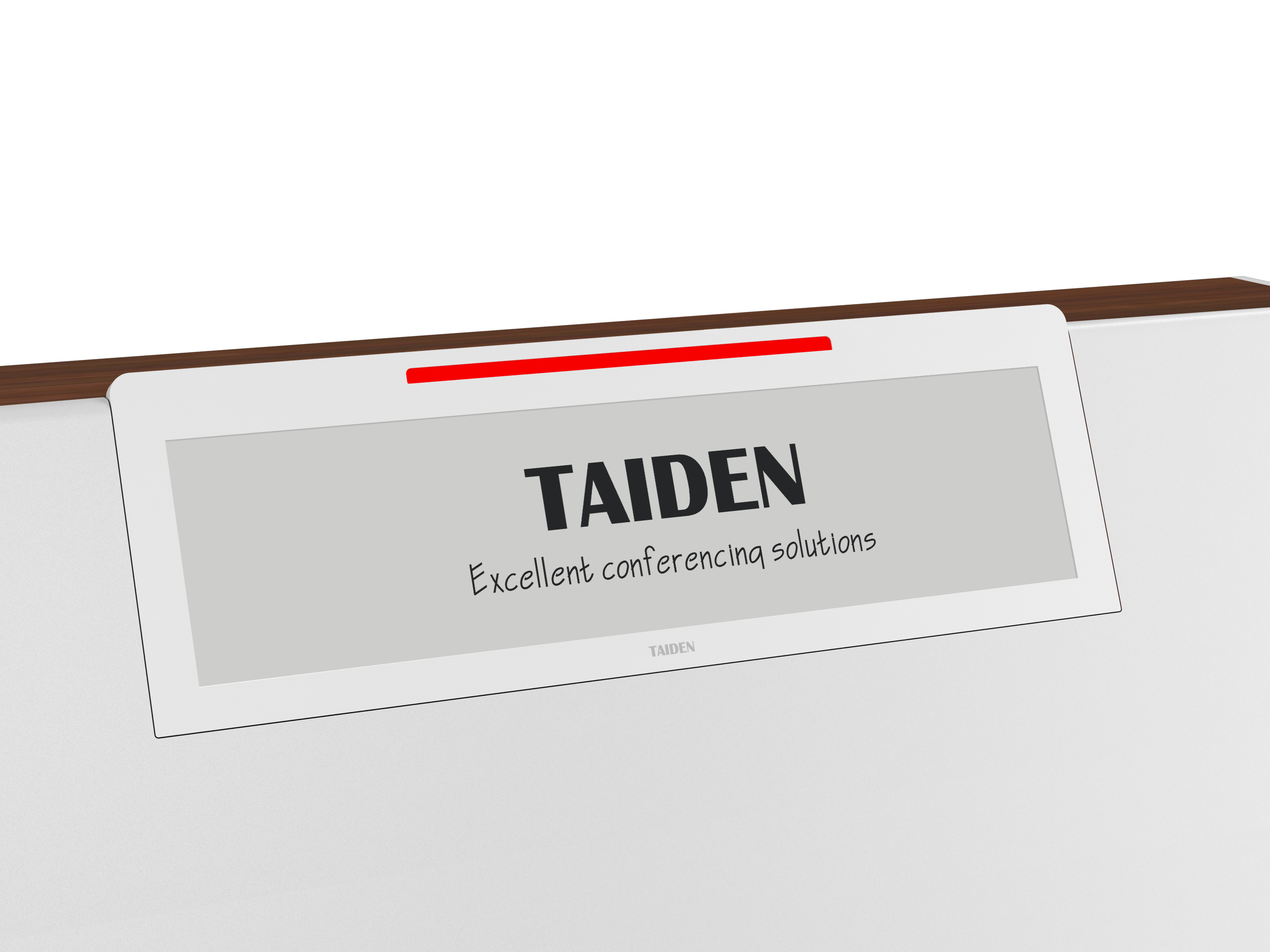
In the old method, every change is manual. Print again, proof again, walk again. Errors travel fast and hide well. When a name is misspelled or a title changes, the fix requires human legs and time. Under event stress, queue jams appear—funny how that works, right? In contrast, a networked digital signage nameplate updates from a central console. The device can pull the latest roster, apply templates, and refresh the display in seconds. With PoE power and NTP time sync, the plate stays online and accurate, even across a packed agenda. Look, it’s simpler than you think: centralize the list, push the data, let the endpoints render. No drama.
Technical friction is the real cost of paper. It is not the sheet; it is the workflow. Print queues stall; last‑minute VIPs arrive; someone mismatches seat A7 with card A9. Compare that to edge computing nodes on the table that cache profiles and auto‑failover if Wi‑Fi blinks. Firmware rules are applied once, not 50 times by hand. Latency drops because content is near the seat, not far in a back office. Even power converters and cable runs are cleaner when the design uses a single PoE line. In short, legacy breaks under load, while digital scales with it. That is the deeper layer many teams miss.
Comparative Insight: New Principles That Change the Table
What’s Next
Now let us look forward, in a practical way. The next step is not only to digitize a label; it is to harden the system end to end. Today’s high‑grade plates run e‑ink or low‑glare LCD to keep visibility high and energy use low. They support OTA updates, so your admin can push a fix in minutes, not at midnight walks. When used as conference table name plates, the devices can pair with a roster service, pull verified names, and switch layouts for bilingual agendas—no reprint, no shuffle. Compare that to paper: every new format means another round of cutting and taping. Here, the device speaks the same language as your schedule system. It is calm. It is precise. And yes, it is kinder to the staff.
The principle is simple but strong: make updates software‑defined, keep displays resilient, and bring logic closer to the seat. A small cache on the plate reduces dependency on cloud calls; if the network blinks, your names do not. MQTT or a similar protocol can keep traffic light, while a sensible SLA assures recovery times. We observed earlier that manual handling creates delays; now we see why a digital path avoids them without hero work—because the system, not the runner, does the heavy lift. To close, please keep three advisory metrics in mind when you choose a solution: 1) Update speed under load (target seconds per 50 plates, measured live). 2) Display legibility across lighting (lx range and viewing angle). 3) Operational uptime across the stack (device, network, and controller, with clear MTTR). With these in hand, your next rollout will feel less like a gamble and more like a method. For technical benchmarks and design references, you may consult TAIDEN.