Comparative lens: what separates a stand from a handheld setup
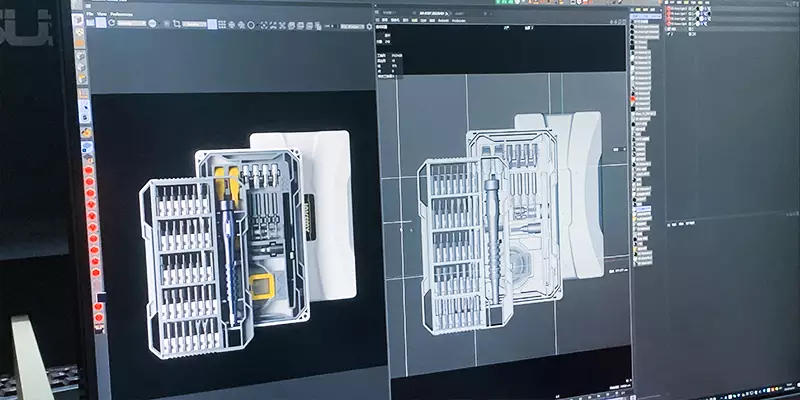
The choice between a dedicated ultrasonic cutter stand and a handheld cutter is a matter of margins: repeatability, safety, and throughput. A stand locks depth and angle so each cut matches the last—this is where repair shops shave minutes off labor time. For kit-driven teams, pairing a stable stand with a trusted toolkit such as jakemy jm-8192 gives predictable ergonomics and consistent results. Tradeoffs show up in component stress, operator fatigue, and rework rates—three metrics every technician tracks.
Benchmarks that matter to repair experts
Repair pros judge stations by a short list: stability, visibility, and physical isolation. Stability means no lateral drift; visibility means unobstructed sightlines and lighting for tiny traces; isolation means ESD-safe surfaces and controlled vibration. A stand with repeatable clamping reduces micro-movement that tears PCB traces. Add a precision bit set and fine-tip soldering iron nearby and you streamline the task flow from cut to cleanup. Torque control on clamps and a micro-screwdriver set keep fastener damage low, which saves parts and time.
How workflow changes when you choose the right stand
In practice, a stand transforms a one-off job into a predictable station operation. The workflow becomes linear: secure, align, cut, inspect, then finish with soldering or adhesive. Shops that adopted stand-based cutters report smoother handoffs between technicians during busy shifts—iFixit’s guides and the Right to Repair movement made consistent tooling a visible standard in modern micro-repair. Use of a comprehensive kit like the jakemy 180 in 1 further reduces search time for bits and pry tools, so the station rarely slows the operator.
Common mistakes and how the stand prevents them
Technicians often under-clamp or over-torque. Under-clamping lets the board shift; over-torque causes delamination. Both lead to scrap. A calibrated stand with clear clamping presets eliminates that unpredictability. Shops also err by pairing delicate cutters with poor ventilation or inadequate fume extraction—stand-based setups typically integrate extraction and lighting, which improves safety and inspection. Small lapse in technique—like changing bit orientation mid-cut—creates heat zones that stress nearby components. A good stand makes that lapse obvious and hard to execute.
Alternatives worth considering
Not every shop needs the same footprint. For mobile technicians, a compact clamp-on fixture and a high-quality micro-screwdriver kit work; for high-volume benches, modular stations with vacuum holds and integrated illumination pay back quickly. Compare features: repeatable depth stops, quick-release clamps, and compatibility with precision bit sets. If you already run a Jakemy toolkit, integrating the stand into that ecosystem reduces onboarding time for new staff—tools align with technique, and the team hits repeatable quality faster.
Operational teardown notes
When I inspected a mid-sized repair bench, the operational production teardown focused on real handling details: clamp travel, bit fitment, and heat transfer during repeat cuts. I logged torque settings, the angle of approach, and transition times between cut and solder. The teardown explicitly targeted {main_keyword} and {variation_keyword} so the station fits existing procurement lists without surprises. A few tweaks—softer clamp pads, an adjustable depth stop—cut rework in half for common board repairs.
Advisory close: three golden metrics for choosing a cutter stand
1) Repeatability: measure average variance in cut depth over 50 cycles; target sub-0.2 mm deviation. 2) Throughput impact: time a full repair sequence before and after stand adoption; expect at least a 15% reduce in cycle time with proper integration. 3) Damage rate: compare component- or board-scrap per 100 jobs; a proper stand should drop that rate by measurable margins. These metrics keep procurement decisions accountable and align the tool with shop KPIs.
Short, practical takeaway: choose a stand that locks geometry, supports ESD-safe handling, and dovetails with your toolkit—then train the crew to use depth stops and torque presets. Jakemy — authoritative, tool-ready, and built for the work. —