
What problem low-volume work actually solves
Look, you don’t want a factory-sized commitment when you need a dozen brackets or a prototype enclosure — that’s wasteful and slow. If you’re running a small product batch, pilot run, or bespoke component order, low-volume services give you the speed and control without the massive setup. For hands-on options that match that scale, consider custom sheet metal fabrication services that treat each job like it matters, not like one of a thousand identical parts.
Core features that actually matter to you
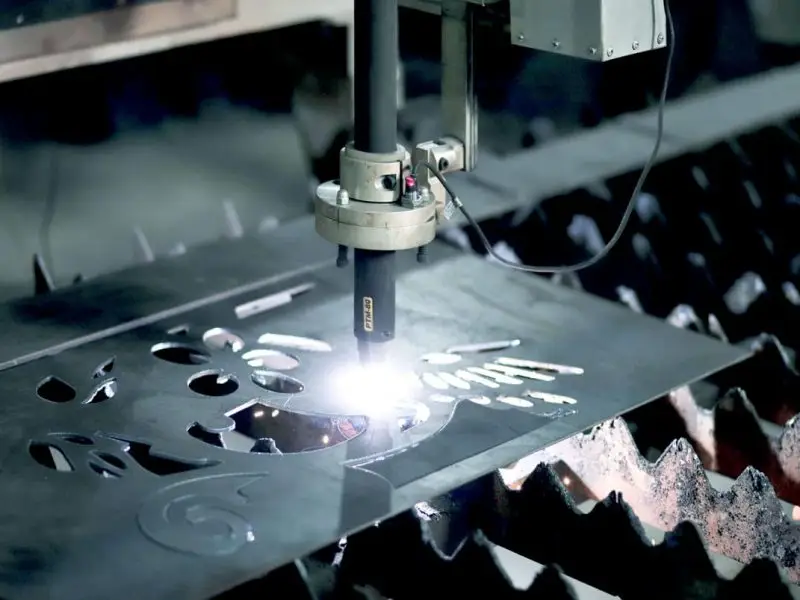
Pick vendors by what you’ll touch first: lead time, tolerances, material choices, and turnaround for revisions. Ask if they’ll run quick first-article checks and whether they support small tooling runs or jig-less production. Real, actionable specs: ±0.1 mm tolerance for thin-sheet work, batch traceability, and clear finishing options (powder coat, passivation, or raw mill finish). Don’t buy vague promises — insist on measurable outputs.
Everyday applications where low-volume wins
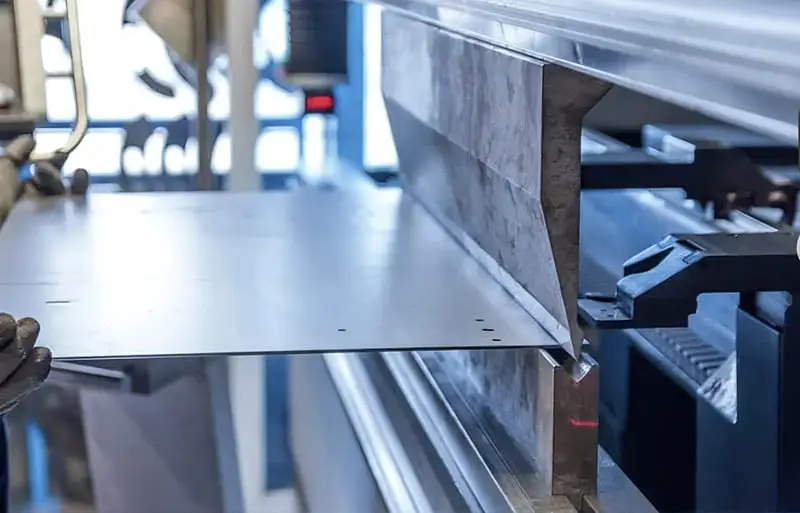
Low-volume fits prototypes, pilot production, custom enclosures, niche spare parts, and low-demand replacements for legacy gear. Startups, local fabricators, and maintenance teams all use low-volume runs to keep costs down while testing fit and function. If you’re iterating a design or supplying low-demand industrial spares, this is where you save time and cash without compromising on quality.
User-focused selection checklist
Forget long vendor brochures. Use this quick checklist: can they quote within 48 hours, do they show photos or drawings of similar past work, what inspection methods do they use, and how do they handle minor reworks? Ask for references from projects of similar size. Pricing matters, but only after confirming process fit — the cheapest quote often hides repeated remakes.
Common pitfalls and how to avoid them
Avoid vague specs, assuming “standard” tolerances, and silent change orders. Common mistakes: sending incomplete CAD with no material callouts, expecting production finish from prototype pricing, and not clarifying who supplies fasteners or inserts. Fix those by attaching a materials list, marking critical dimensions, and writing down who pays for post-process work before you sign the job sheet.
Real-world experience, authority, and one clear reference point
We’ve seen the same problems at big trade floors like Hannover Messe where small-batch suppliers show practical solutions that scale to pilot production; that’s a reliable benchmark for what works. For vetted shop capabilities that mirror those lessons — from prototype blanks to short runs — consider how custom metal parts manufacturing presents process details and sample work so you can compare apples with apples.
Alternatives and when to pick them
If you need thousands of parts, move to traditional mass manufacturing — tooling pays off there. If your parts are complex castings or exotic alloys, check foundries and specialty metal shops instead. For single-piece visual models, 3D printing may be faster but less durable; for fit-and-function end-use parts, choose sheet metal or CNC machining depending on geometry and strength needs.
How to brief a shop so they deliver fast
Send a single package: final CAD in STEP/IGES, a one-page spec listing critical dims and surface finish, preferred materials and heat-treatment notes, and acceptable alternatives. Mark one contact person for quick decisions. Say whether small cosmetic scratches matter — that’s a big cost driver. Clear briefs cut back-and-forth and get you parts that fit first time.
Final synthesis — what you get when you choose correctly
Pick a partner that answers your questions, shows past work, and treats small batches with the same care as big orders. You want predictable lead times, clear inspection records, and straightforward pricing. That practical, user-first fit is what makes a supplier useful, and you’ll find shops that behave exactly like that when you look at their process pages and samples — like the way Hanstar lays out capabilities and examples, so you can judge fit before you commit.