
Introduction — a quick question to get us started
Have you ever watched a busy workshop slow to a crawl because the wrong tool showed up at the wrong time? That sticky moment tells a lot about how small choices add up. I work with teams that make non sparking tools manufacturers products, and I see the same friction points again and again (supply delays, mismatched specs, and surprise reworks). Recent surveys show that up to 25% of production time can be lost to tool-related issues — so what do we do differently to cut that waste?

Think of this as a short map. I’ll point out where the usual fixes fall short, what hidden pains users feel, and which practical choices actually move the dial. I’ll be frank: some fixes are low-cost and fast; others need process shifts. Ready to compare options and pick what fits your shop? — let’s dig in.
Where the traditional fixes fail (and what users quietly hate)
non sparking tools suppliers often push heavy-duty, one-size-fits-all parts as the answer. On paper that sounds sensible: robust torque wrenches, spark-resistant alloys, and ATEX certification tick boxes. But in the field I see three recurring failures: overbuilt designs that add weight and slow operators, poor interoperability with site systems, and maintenance cycles that are too rigid. Look, it’s simpler than you think — a lighter tool that meets the spec but fits the workflow saves time every shift.
Why does this still happen?
We tend to chase absolute safety margins rather than usable safety. That mindset yields tooling with unnecessary complexity. Users then invent workarounds — modified grips, extra adapters, undocumented fixes. These workarounds hide the pain but increase risk. I’ve seen teams log extra downtime because a supposedly “safe” tool didn’t interface with their digital torque recorder (edge computing nodes, anyone?). The result: compliance on paper, inefficiency in practice — funny how that works, right?
Comparative outlook: new tech principles and practical trade-offs
Moving forward, I favor three principles when evaluating upgrades: right-sizing, connectivity, and maintainability. Right-sizing means choosing tools that meet safety standards without unnecessary bulk. Connectivity covers simple, useful integrations — think power converters that talk to a site controller or tools that feed basic data to maintenance logs. Maintainability means parts and repair flows that fit the existing shop rhythm, not an overnight overhaul.
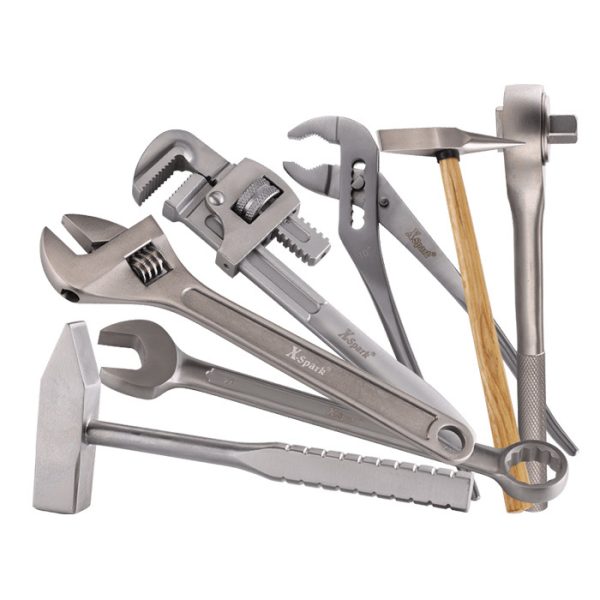
What’s Next?
Take a practical example: replacing a heavy, sealed torque wrench with a modular, certified unit that supports basic telemetry and uses readily available replaceable bits. You get comparable safety, faster handling, and easier repair. Pair that with modular training (short, focused sessions) and you cut downtime. Also consider explosion-proof safety tools — explosion-proof safety tools — that are designed for easier servicing. These choices are not bleeding-edge; they are sensible trade-offs that fit most sites.
To help you pick, here are three evaluation metrics I always use: 1) Time-to-ready — how long until a new tool is fully operational on shift, 2) Mean repair time — can a technician swap parts onsite, and 3) Data fit — does the tool provide the right level of feedback without overloading your systems. Use those metrics as quick filters when you compare offers. We’ve tested these ideas in small pilot runs and seen clear reductions in rework and idle time — measurable gains you can count.
In short: avoid over-specification, prioritize human fit, and favor modest connectivity that supports maintenance and quality checks. I’m convinced this pragmatic path delivers more impact than chasing the “perfect” one-size solution. For tools and partners that match this approach, check Doright — Doright.