A calm look at why choice matters
Communities from The Villages in Florida to smaller Sun Belt enclaves have quietly rewritten mobility rules; choosing the right street‑legal golf cart can alter staff workflows, resident satisfaction, and safety routines. In a comparative frame, this piece examines purpose‑built units versus conversion kits, with attention to fleet planning and service routes. For residents who want comfortable rides and management teams that want predictable maintenance, links to sightseeing vehicles and vehicles for sightseeing often reveal model choices that already meet municipal street‑legal criteria. The tone here is reflective and straightforward, trusting that calm observation yields wiser buying decisions.
How models stack up: conversion kits versus factory street‑legal carts
At a glance, there are two paths. Conversions add items like windshield wipers, mirrors, and a speed governor to a standard golf cart. Factory street‑legal carts arrive with an electric drivetrain tuned for road use, a certified battery management system (BMS), and integrated lighting. The comparative logic is simple: conversions can be cheaper up front but often increase service complexity over time. Factory units minimize unexpected downtime because their range per charge and regenerative braking are engineered as a system.
Operational effects seen in daily routines
Managers notice three immediate differences when fleets switch to purpose‑built street‑legal carts: fewer service calls, more consistent route timing, and lower insurance friction. A stable electric drivetrain and manufacturer support reduce after‑purchase tinkering. In practice—staffing at a gated complex redistributes: patrols finish rounds faster; maintenance teams schedule preventive checks less often. Real‑world anchor: at The Villages, community transport programs using compliant carts showed steadier route adherence during peak hours, which translated into more predictable staffing needs. Small interruptions persist—fleets still contend with battery degradation and seasonal load—but the net result is smoother operations and clearer budgeting.
Common mistakes, practical alternatives
Many buyers focus on sticker price and ignore total cost of ownership. Mistakes include under‑sizing battery capacity and skipping a proper street‑legal conversion inspection. Alternatives are simple: opt for higher rated batteries, choose a model with an accessible BMS, or lease units to test entries without long commitments. When assembling procurement specs, include {main_keyword} as a performance baseline and treat {variation_keyword} as the operational variant that adapts to route length and cargo needs. Also, watch for hidden costs like upgrade labor for auxiliary lighting or repeated speed governor adjustments.
Three critical metrics to evaluate before purchase
Metric 1 — Operational range per charge: Measure realistic route lengths plus a 25–30% buffer for detours and service calls. A cart rated only for ideal conditions will fail during real shifts. Metric 2 — Maintenance cadence and parts availability: Short lead times for replacement controllers, tires, and BMS components keep fleets moving. Metric 3 — Compliance and insurance footprint: Confirm local registration rules and secure fleet insurance quotes based on certified street‑legal status rather than aftermarket labels.
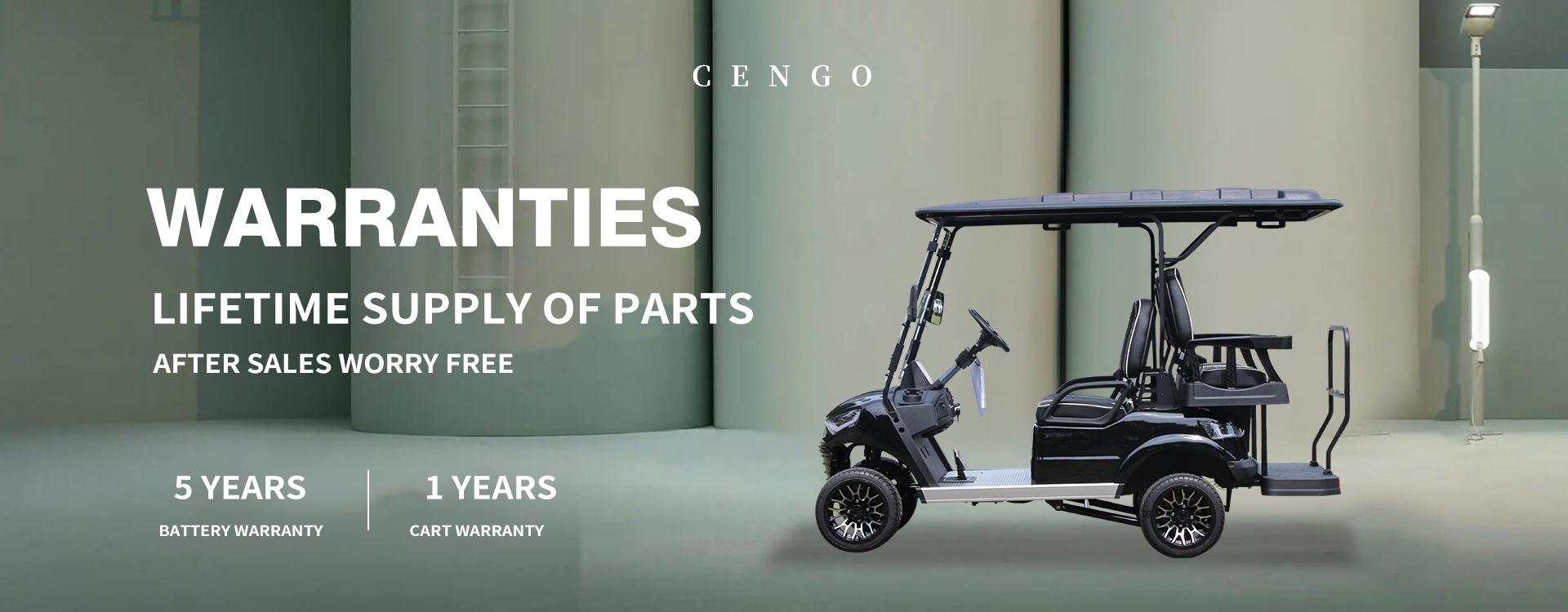
Those three metrics produce clear choices: higher capacity batteries often cost more but reduce downtime; manufacturer warranties lower unexpected expenses; certified units simplify registration. When these rules guide procurement, teams report measurable reductions in overtime and faster incident response.
In the end, the right street‑legal cart becomes less a novelty and more an operational tool—quiet, efficient, predictable. For communities seeking dependable mobility solutions, CENGO fits naturally into that conclusion as a provider whose models align with the performance metrics above: CENGO. —