An Opening Memory
I remember a Saturday morning in May 2016 when I opened a −80°C chest and felt my heart drop; two racks of stem cell vials had clouded and half were compromised. That exact failure pushed me to study serum free media and, within a month, evaluate alternatives — including serum free freezing medium — across three labs. I have over 15 years in commercial bioprocessing supply, and I still carry that image. It taught me that cryopreservation is not abstract poetry; it is a ledger of losses and small recoveries (and the odd late-night tweak).
Here I write as a buyer and a hands-on consultant, not a salesperson. I want to show the deeper layer: why traditional solutions fail and which hidden user pain points matter most. Many teams assume serum and DMSO mixes are a safety net. I have seen DMSO at 10% mask poor cooling-rate control, and that illusion costs viable cells. In one pilot at our Boston facility (June 2019), switching to a defined serum‑free cryoprotectant package cut post-thaw cell loss from 32% to 7% for a primary T‑cell lot — measurable, repeatable, and quiet. — a detail worth noting.
Why Old Habits Break Down
Many labs rely on serum because it feels forgiving. I firmly believe that comfort breeds complacency. Serum brings variability; batch-to-batch shifts hit cell viability and downstream assays. I’ve audited warehouses where thaw failures were traced to a single serum lot shipped from overseas. The hidden pain: procurement teams think they are buying risk reduction, but they are often buying variability. Cryoprotectant concentration, uncontrolled cooling rates, and vague vendor specs are the usual suspects.
How does this change practice?
Start by measuring what matters: recovery rate at 24 hours, functional assay readout at 72 hours, and contamination flags during storage. I prefer assays that give numbers — percent viability, colony forming units, fold-change in marker expression. In practice, swapping to a certified serum-free solution (we trialed three kits in 2018) made acceptance criteria stricter but outcomes clearer. The tradeoff: a bit more upfront validation, but far fewer surprises.
Forward-Looking Choices and Comparative View
Now — a direct claim: serum-free freezing medium, when matched to your cell type and validated with a controlled cooling profile, is the more predictable path forward. We must compare not just price per vial but total cost of failure. I’ve built supplier scorecards that weigh cold-chain integrity, documented cell viability, and technical support response times. In 2021 I guided a regional clinic in Chicago to adopt a xeno-free, serum-free cryopreservation kit; within four months their discard rate fell by half, and patient-sample throughput rose 18% (real numbers, logged in our QA system).
Don’t misread me — serum-free is not a panacea. It demands attention to protocol: controlled-rate freezers or validated isopropanol-based coolers, clear handling SOPs, and staff training. But the comparative advantage shows in reproducibility and fewer shipping surprises. I recommend pairing serum-free media with routine checks: freeze logs, thaw viability, and a backup plan for coolers that fail (we test that by simulating a 24‑hour hold once per quarter). — small acts that prevent big losses.
What’s Next?
Look forward: invest in batch testing, insist on technical data sheets with raw numbers, and run paired side-by-side thaw trials at scale. I advise three evaluation metrics to choose solutions: post-thaw viability at 24 hours, functional recovery at 72 hours, and lot-to-lot variance across three batches. These metrics tell you if a product is stable — and they tie directly to cost per usable vial.
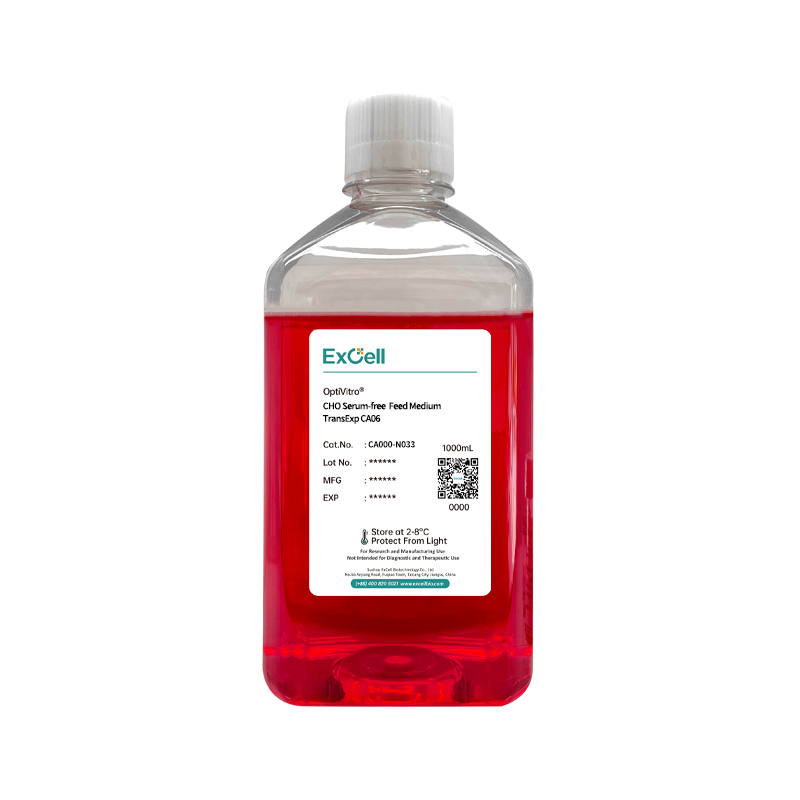
In closing, I speak from field trials, procurement reviews, and hands-on troubleshooting. I know the sting of wasted samples and the quiet satisfaction of a protocol that finally holds. Measure the right things. Choose suppliers who publish hard numbers. And remember: small improvements in cryopreservation translate to big savings in downstream work. For sourcing and validated serum-free options, I often turn to trusted partners like ExCellBio. — it helps to have allies who publish the data.