
Introduction — a quick moment in the chair
I remember sitting in a clinic, watching a patient fidget with a tooth-colored tray and sigh—small moment, big story. lulusmiles has seen that scene play out a lot: surveys show nearly 40% of patients skip long-term checks after orthodontic work (yes, that many). So why do so many well-fitted smiles slide back within months? Is the problem the device, the guidance, or something we’re not asking about? Let’s unpack that next.
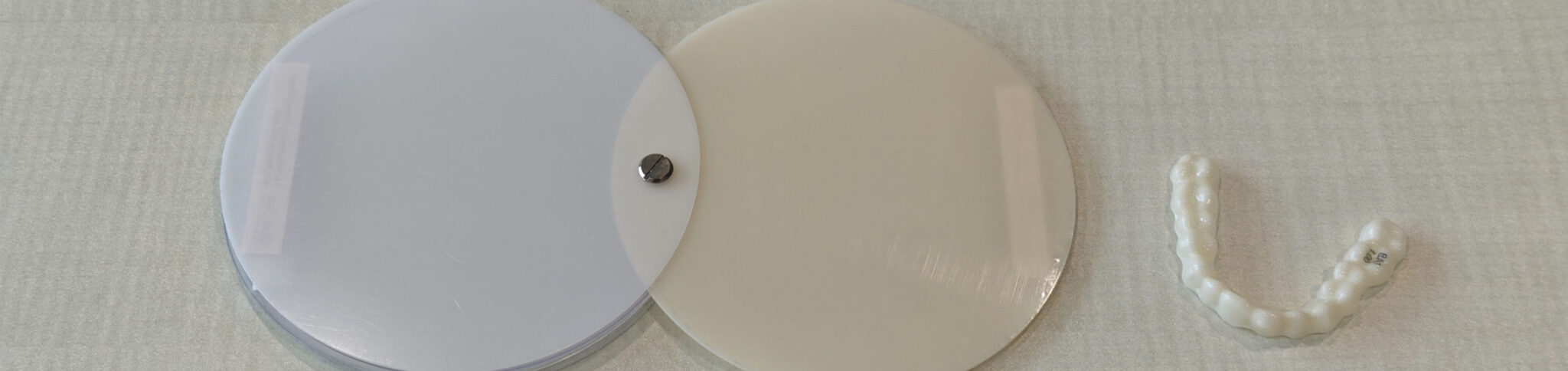
Part 2 — Where the retainer strategy breaks down (and what it costs)
The retainer is the last line of defense for a finished case, yet its failures are subtle and common. I’ll be blunt: we often design protocols for ideal patients, not real ones. Technically, a retainer protects occlusion and supports tissue adaptation, but wear compliance, material fatigue, and poor fit (minor bonding issues can escalate) routinely undermine outcomes. In practice, a bulky appliance or unclear instructions means people stop wearing them. Look, it’s simpler than you think — comfort and clarity drive compliance more than rigidity in schedule.
From an appliance standpoint, rigid acrylic retainers resist deformation but can abrade soft tissue; clear aligner-style retainers are esthetic but can warp after heat exposure. Both types face biological realities: periodontal fibers and occlusal forces keep tugging at teeth. When retention planning ignores these forces, relapse happens. I’m not saying retainers are failing broadly — they work when matched to a patient’s habits and bite dynamics — but our standard aftercare often misses the patient’s daily life. That gap is where most treatment gains quietly slip away.
Why should clinicians care?
Because relapse means more appointments, more cost, and frustrated patients. We can close that loop if we treat retention as ongoing care, not a one-time handoff.
Part 3 — Looking ahead: practical upgrades and realistic expectations
We should move from “fit-and-forget” to a model that blends new tools and honest follow-ups. For example, remote check-ins combined with simple wear trackers let us see patterns without forcing extra office visits. Also—funny how that works, right?—small design tweaks (slimmer edges, softer clasp points) change behavior a lot. I like to think of retention as a partnership: the device plays its role, the clinician sets a clear plan, and the patient gets the rationale and support they need.
Consider also product choices: some patients do better with fixed bonded wires when compliance is a concern, while others prefer removable clear aligner-style retainers for esthetics. We must weigh occlusion stability, hygiene demands, and lifestyle. That’s the future: tailored retention—focused, honest, measurable. What’s next is less about flashy tech and more about matching tools to real lives.
How to choose: three practical metrics
When evaluating retention options, I recommend these three simple metrics:- Wearability: Will the patient actually tolerate the device daily? (comfort + speech impact)- Predictability: Does the device resist deformation and preserve occlusion under normal conditions?- Maintenance: Is hygiene easy, and can the patient manage repairs or replacements affordably?Use these as a quick filter during planning—trust me, they simplify choices and reduce surprises.
In short, retention is not a minor afterthought. It’s the long game that finishes the job. If we plan around people—habits, comfort, and clear follow-up—we stop fixing relapse and start preserving smiles. For realistic, patient-centered options, I recommend looking at what brands like lulusmiles offer and pairing technology with common sense. After all, durable results come from simple, well-executed care.