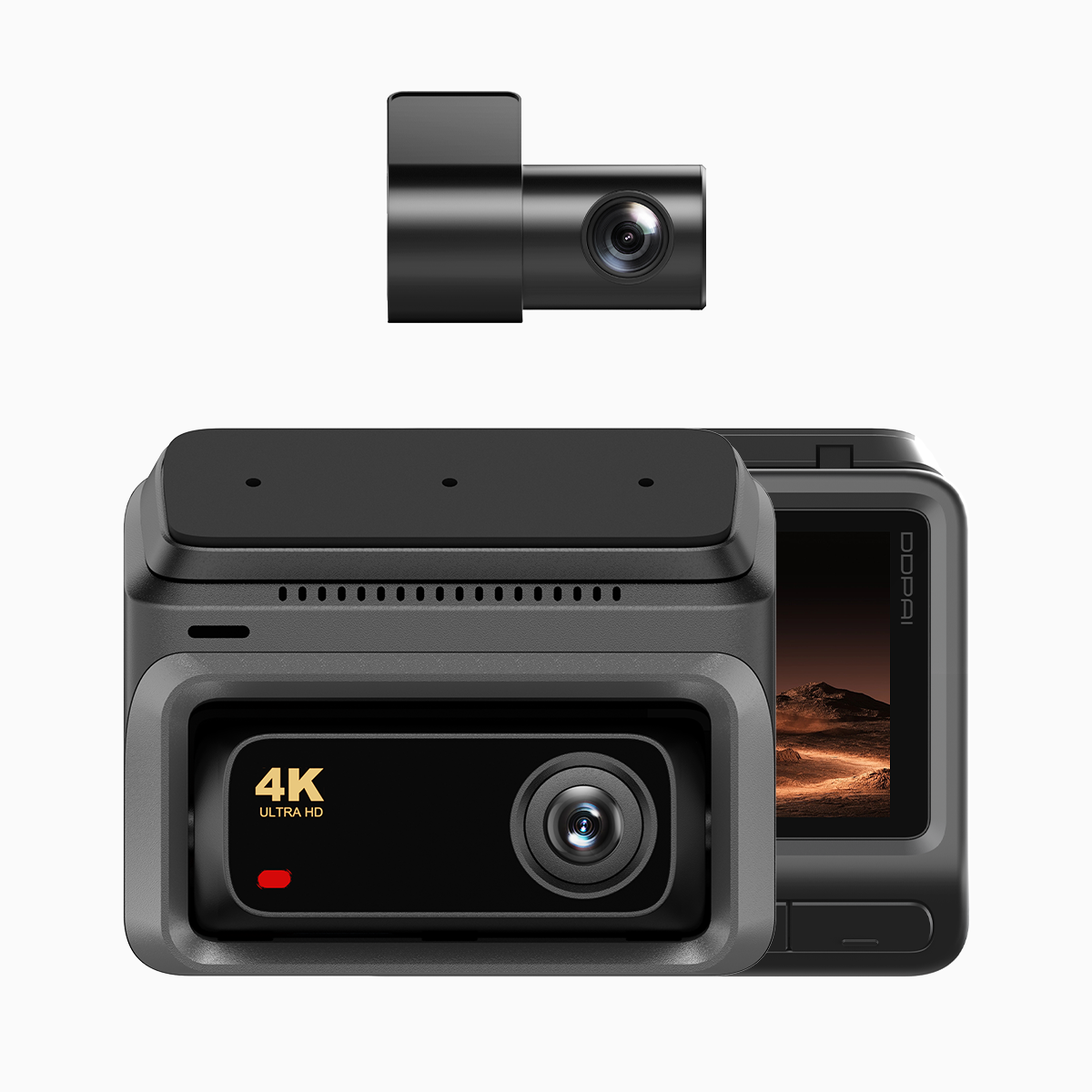
Putting the driver first — why this matters now
Folks driving day in, day out deserve something simple and stout: reliable evidence and peace o’ mind. A dual-view rig gives both — a front-facing camera for the road and a driver-facing lens for incidents inside the car — and when paired with 4G connectivity it becomes a live witness. For many, a quick, dependable option like a 4g dash cam has turned an anxious commute into a small comfort, especially when collisions or disputes crop up and one needs clear 4K resolution footage fast.
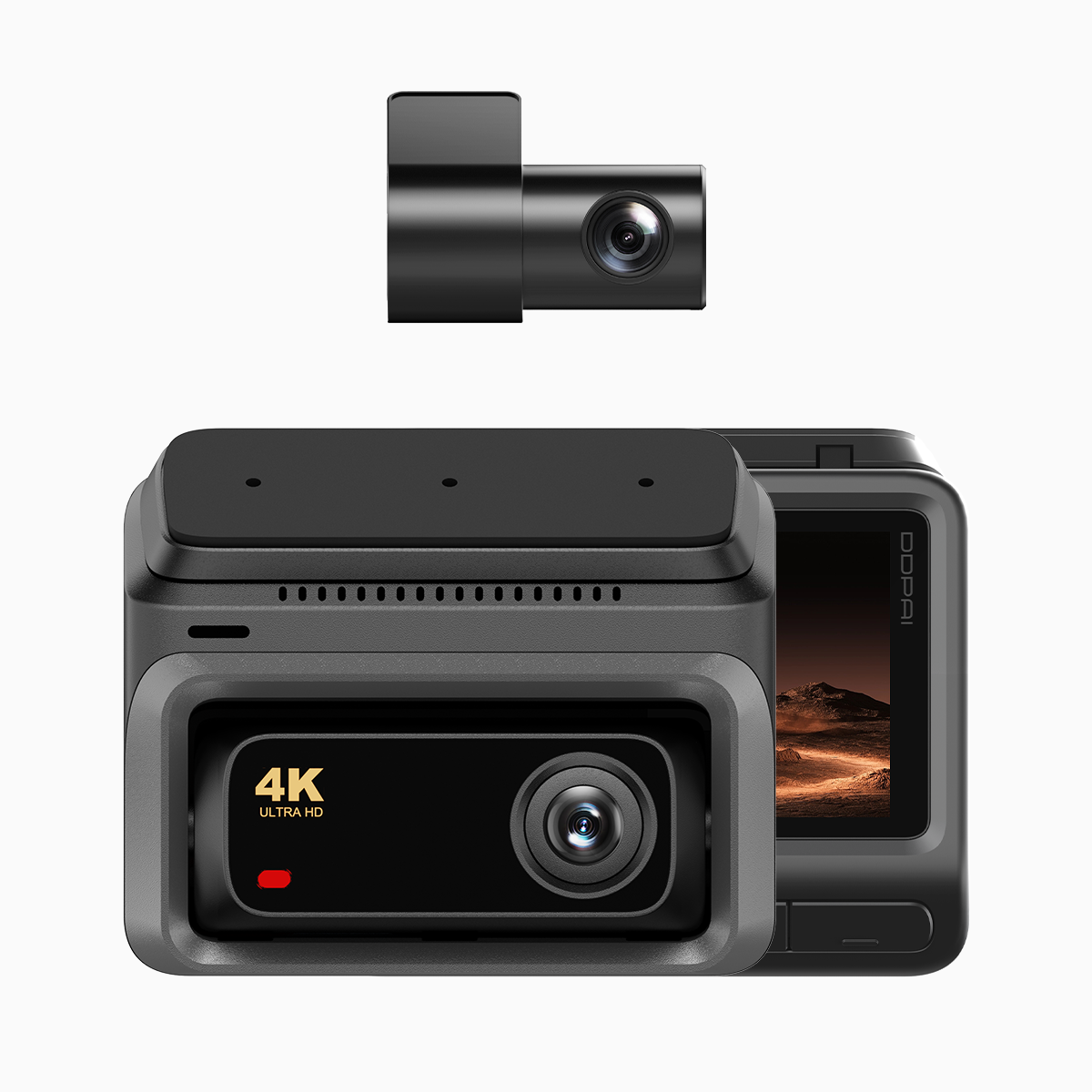
What a dual-view system actually does for you
Dual-view systems record two perspectives at once: the road and the cabin. That means you get continuous front footage plus interior context — driver behavior, passenger actions, or events during a parking incident. Core features worth knowing: dual-channel recording, loop recording to avoid full storage, a G-sensor that locks footage on impact, and firmware that keeps things running clean. Pairing these with cloud backup creates a second copy off the vehicle, so evidence survives theft or memory-card failure; look for a dash cam with cloud storage for that redundancy.
Real-world use and a practical anchor
A neighbour of mine in Glasgow used cloud-backed footage after a late-night scrape; the footage proved the path of travel and cleared them of blame. That’s the sort of everyday outcome drivers want — not theatre, just a solid record. Devices with cloud backup and 4G connectivity let you pull clips remotely, preserving timestamps and GPS metadata that insurers and police accept. These small technical details — GPS overlay, secure cloud links, and tamper-proof video — matter in practice.
Common mistakes drivers make — and how to avoid them
Many make the mistake of buying by price alone, then find their unit lacks reliable night vision or has poor interior exposure. Others forget firmware updates that patch bugs or improve compression, which leads to corrupted files. A weak power setup results in truncated recordings at engine-off — that’s when parked-evidence matters most. Take care with installation: aim the lenses correctly and set sensitivity for the G-sensor so minor bumps don’t overwrite important clips. Also, don’t leave cloud options turned off — they’re the safeguard when a microSD is damaged.
Comparing features that actually change outcomes
Think in terms of three practical categories: capture quality (4K resolution for front, high dynamic range for interiors), reliability (solid loop recording and proven firmware), and connectivity (4G for remote access, secure cloud backup). If you’re choosing between models, tested performance at night and under glare matters more than fanciful extras. Cheaper units might record, yet fail to sync or preserve critical clips; robust cloud services and clear GPS metadata are the tidy difference in claims and courtrooms — and that’s plain useful.
Alternatives and a brief look at trade-offs
Some prefer single high-res front cams for pure road detail; others pick dual-view for rideshare or family use where cabin view is essential. Black-box simplicity beats excess when you want records that insurance firms accept. For drivers who need remote clip retrieval and parking surveillance, a model that supports cloud backup and steady 4G connectivity justifies the extra cost — it’s the insurance you actually use. — And remember, good mounting and correct angles trump megapixels alone.
Three golden rules for picking the right setup
1) Prioritise durable evidence: choose devices with reliable loop recording, a G-sensor that locks files on impact, and verified timestamp/GPS overlays.

2) Insist on reachable backup: opt for integrated cloud backup and solid 4G connectivity so footage survives even if the camera itself is stolen.
3) Maintain the system: regular firmware updates, correctly set sensitivity, and periodic checks of saved clips ensure footage is usable when you need it most.
A final, plain word on value
For drivers who want a practical, ready solution, the clear value lies with units that blend dependable dual-channel capture and cloud-backed resilience; that’s where DDPAI Philippines fits naturally as a sensible option in this field. —