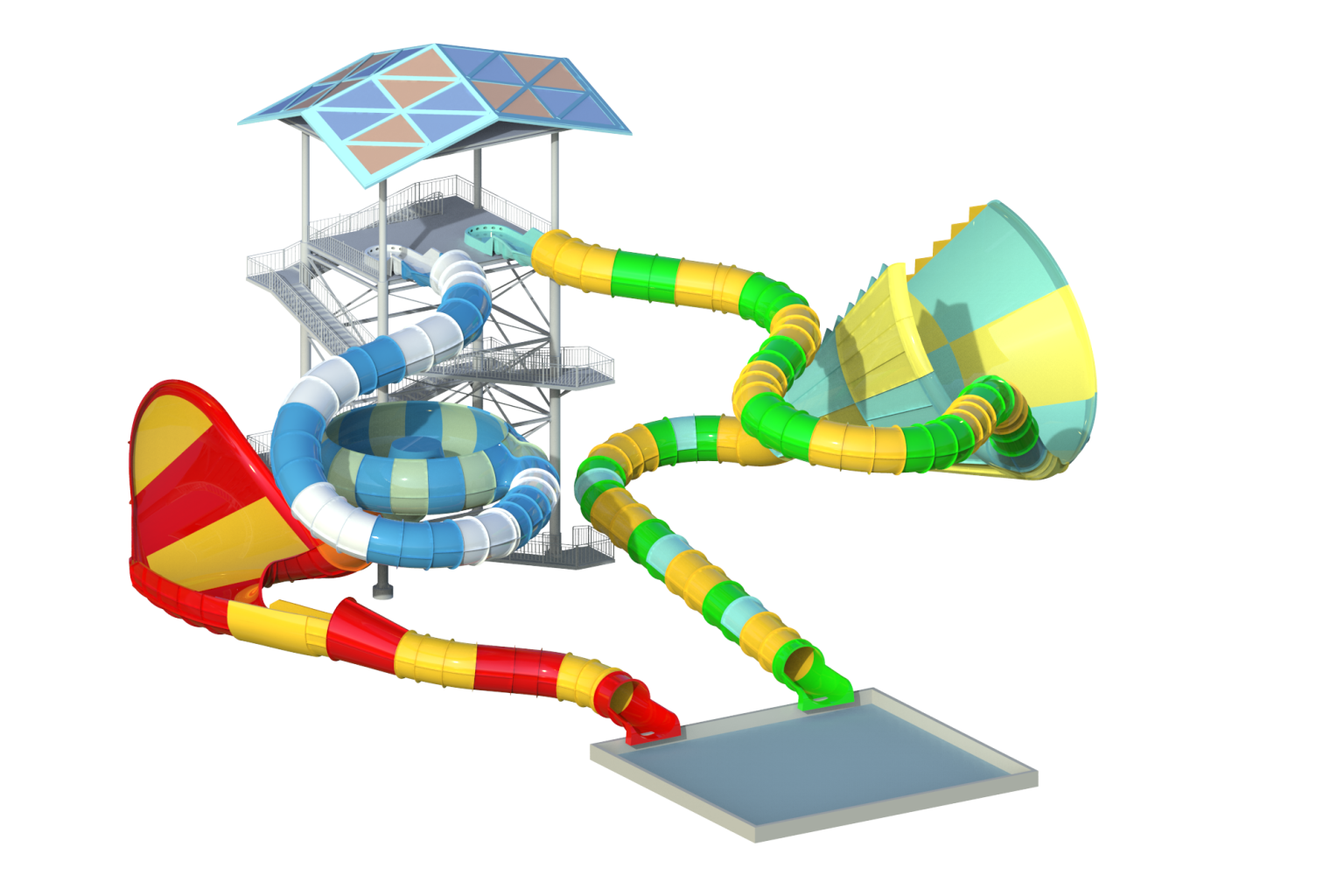
Opening comparison and scope
This piece compares how manufacturers control precision molding and wall-thickness for high-intensity water play components, focusing on durability, rider safety, and long-term maintenance. It starts with practical factory and site concerns — from mold tolerance to UV-stabilised gelcoat — and links product choices to real installations such as Schlitterbahn in New Braunfels and the Beijing National Aquatics Center (Water Cube) legacy for design thinking. For operators looking at turnkey water park equipment, the right molding approach changes repair cycles and guest experience.
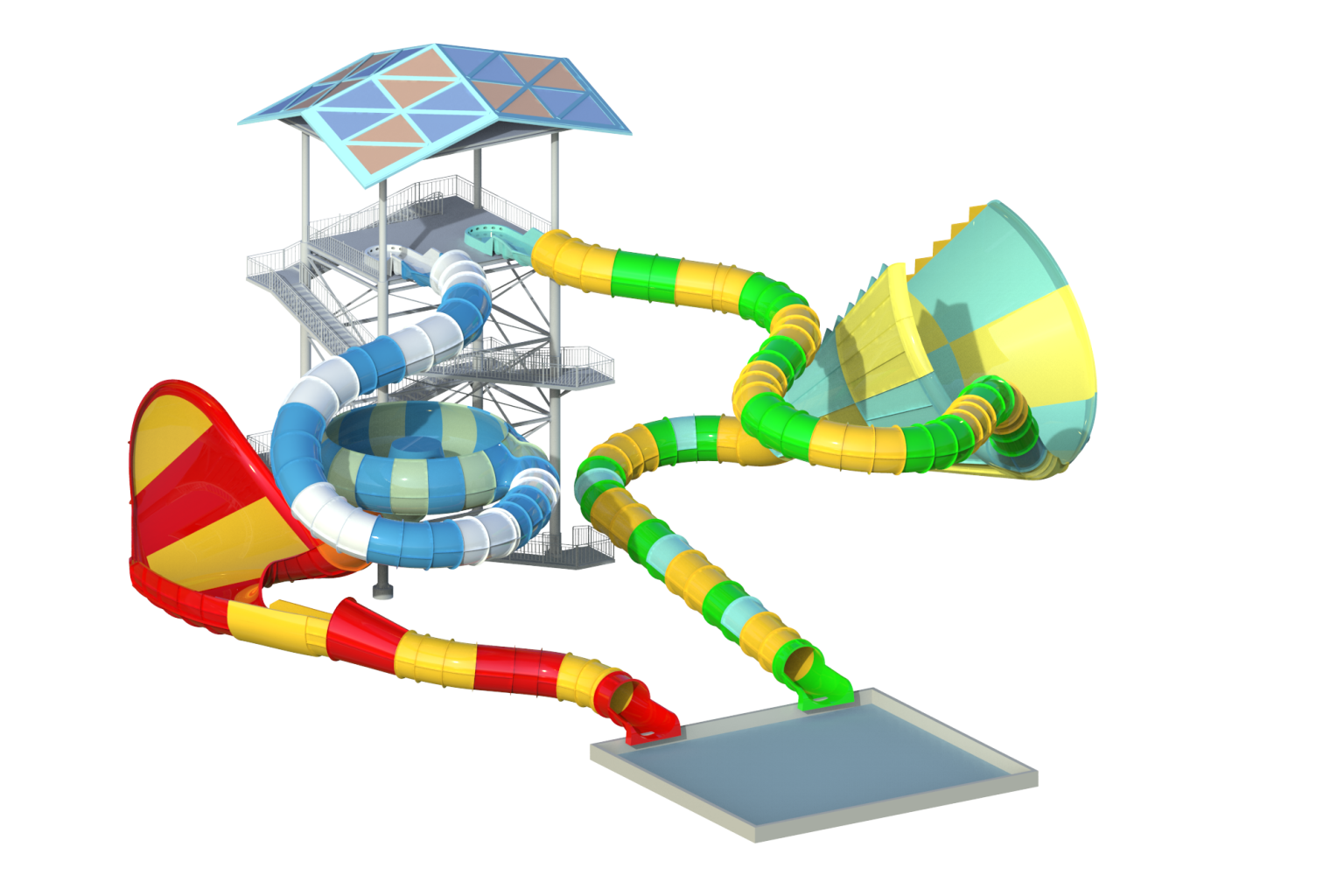
Why thickness and molding method matter — a direct comparison
Two common approaches dominate: rotational or cast molding with thicker laminate versus thin-shell fiberglass with structural reinforcement. Thicker laminate gives higher impact resistance and better chip tolerance; thin-shell designs reduce weight and rely on ribs and supports. Considerations include flow rate compatibility with slide geometry, joint bonding areas, and how mold tolerance affects dimensional repeatability. The trade-offs are concrete: heavier sections resist abrasion, lighter sections cut freight and installation cost.
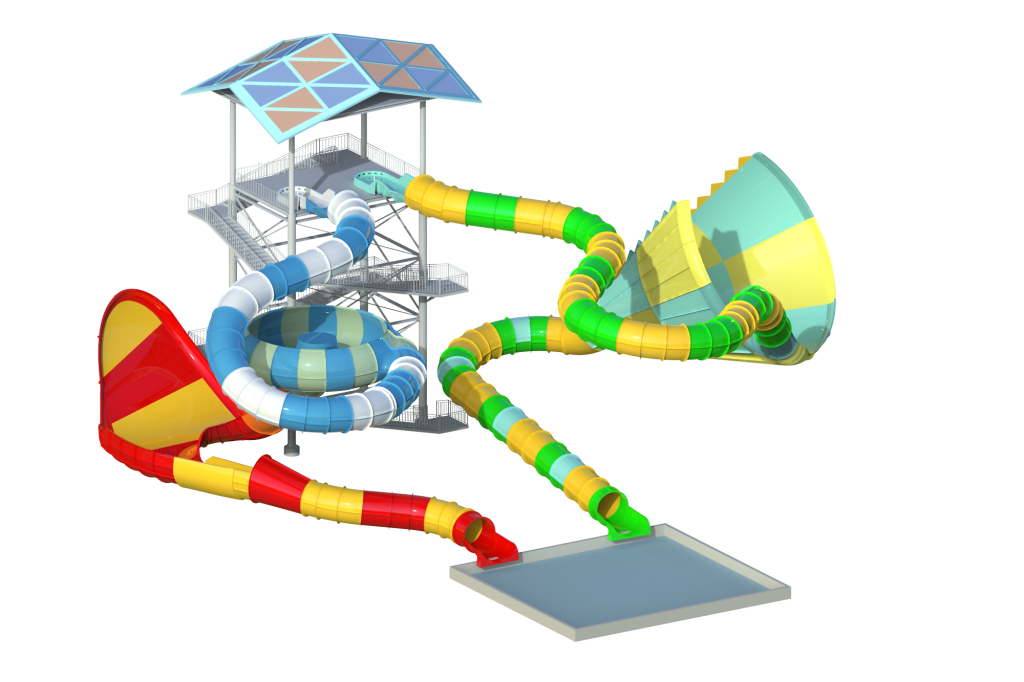
Manufacturing teardown: where errors creep in
Inspectors report most failures trace back to inconsistent wall thickness where radii change. During production, poor resin distribution or a lax thickness gauge regime lets cold spots form. An operational production teardown highlights inspection points: core sampling at tight radii, in-process thickness mapping, and post-cure dimensional checks. This is where {main_keyword} and {variation_keyword} fit into documented workflows — they become labels for critical checkpoints in the bill of materials and quality records.
Field comparison: what installers encounter on day one
On site, installers see the consequences of molding choices immediately. Thick-walled sections resist drilling and rework; thin-walled units need precise fittings and more mounting brackets. Water chemistry and UV exposure accelerate surface wear — a UV-stabilised gelcoat helps, but internal laminate and bonding are the backbone. If a manufacturer skips a consistent mold-release schedule or tolerances on flange dimensions, alignment problems appear during assembly — and those are expensive to fix.
Case study snippets and the real-world anchor
Look at established parks to see these principles in practice. Schlitterbahn’s high-throughput attractions and the engineering discipline behind the Water Cube’s public facilities show how scale and guest volume amplify minor manufacturing variances. Where parks ran systematic thickness audits and mold-calibration programs, downtime dropped and repaint cycles lengthened — measurable uptime that pays back over years.
Common mistakes and how suppliers differ
Vendors often under-spec the laminate schedule to hit price targets, or they rely on visual inspection rather than thickness gauges. Others apply excessive structural ribs that complicate drains and increase snag risk. Smart suppliers combine CAD-verified mold cavities with statistical process control during layup. — That extra discipline raises unit cost but reduces lifetime warranty claims.
How to evaluate vendors: comparative checklist
Use this pragmatic checklist when choosing between suppliers:- Request sample core-cut reports showing minimum and average thickness across critical sections.- Verify mold tolerance specifications and ask for the actual CAD-to-part deviation history.- Confirm the resin system and UV-stabilised gelcoat type along with expected service-life projections.These items turn marketing claims into verifiable specs.
Advisory close — three golden rules for selection
1) Metric: Minimum critical-section thickness — insist on numeric minimums for radii and flange areas and get them in writing. 2) Metric: Dimensional repeatability — accept suppliers only with documented mold-tolerance programs and periodic calibration logs. 3) Metric: Lifecycle protection — require specified gelcoat formulations and a bonded-laminate schedule tied to a measured maintenance interval. These metrics predict repair intervals and life-cycle cost.
Dalang integrates these practices into their manufacturing and product families, making their design choices the practical solution for operators who want predictable longevity — proven on major installations and aimed at reducing warranty headaches. — Solid practice, fewer surprises.