Night Streets, Real Numbers, One Big Question
This is the year streetlights stop being dumb. Down the block, a led lighting manufacturer china label sits on the pole, and the glow is steady. You pull up your phone, search lighting companies in china, and a wall of brands hits your screen—wicked fast. The data says LED installs cut energy by 45–60% on average, and failure rates can drop below 1% with the right driver IC and proper thermal management. Nice, sure, but who’s actually better when specs all look the same? (And why does one parking lot still have dark corners?)
Here’s the Boston truth: not all “specs” survive a Northeast winter. Look at lumen depreciation after 6 months, not just day-one output. Check the IP rating under slush, salt, and wind. Ask if the power converters have surge protection for those cranky grid spikes—because they will happen. The brochures won’t show you the call at 2 a.m. when a pole trips a breaker. So, what matters is how these fixtures behave in the wild, not just on a tidy data sheet — funny how that works, right? The question is simple: who builds for real streets, not lab benches? Let’s stack the players side by side and see where the gaps hide.
Hidden Pain Points the Spec Sheets Skip
What trips buyers up?
Let’s go direct. Price tags shout; maintenance whispers. Many buyers scan CRI, wattage, and beam angle, then stop. But daily pain lives elsewhere. A lot of lighting companies in china ship solid housings, yet the weak link is often the driver. If the driver IC lacks proper EMI filtering, your smart controls misbehave when the HVAC kicks in. If the thermal path from board to heatsink is thin, lumen depreciation creeps in by month three. Look, it’s simpler than you think: a good LED is a system, not a part.
Here’s the kicker. Spec sheets rarely say how fast a module recovers after a brownout. They don’t show condensation behavior when temps swing from 45°F to 10°F overnight. They won’t flag that a “universal” power supply may still stutter with dirty power unless surge protection is >4kV line-to-line. Users feel this as flicker, dropped nodes in a mesh gateway, or dark bands on asphalt where photometric distribution never matched the site. The pain isn’t obvious at purchase. It shows up in truck rolls, warranty emails, and a site manager asking why the west lot looks dull at 6 p.m. in February. That’s the gap you need to measure.
Forward-Looking: Principles That Change the Game
What’s Next
Time to compare by design rules, not brochure gloss. The new bar is modular electronics with field-swappable drivers and NFC programming. That means less downtime and tighter binning control over CCT in mixed sites. Add smart sensing at the edge—simple edge computing nodes that handle occupancy logic locally—so lights don’t beg the cloud for every motion event. When drivers use high-efficiency topologies and better power converters, junction temps drop, and the whole thermal budget relaxes. The result: longer life, flatter lumen maintenance, and fewer “mystery” failures after storms.
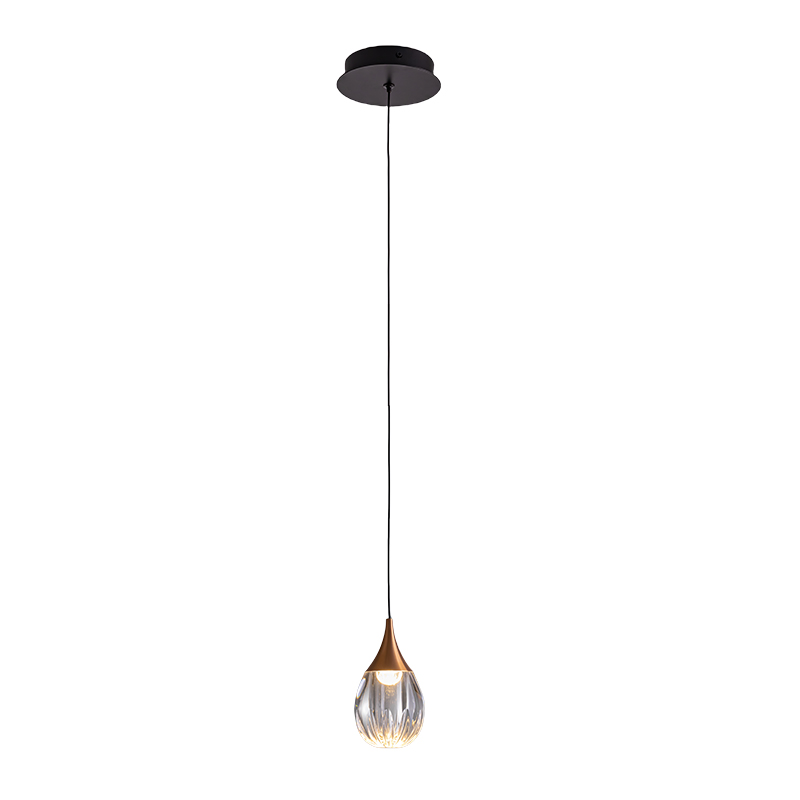
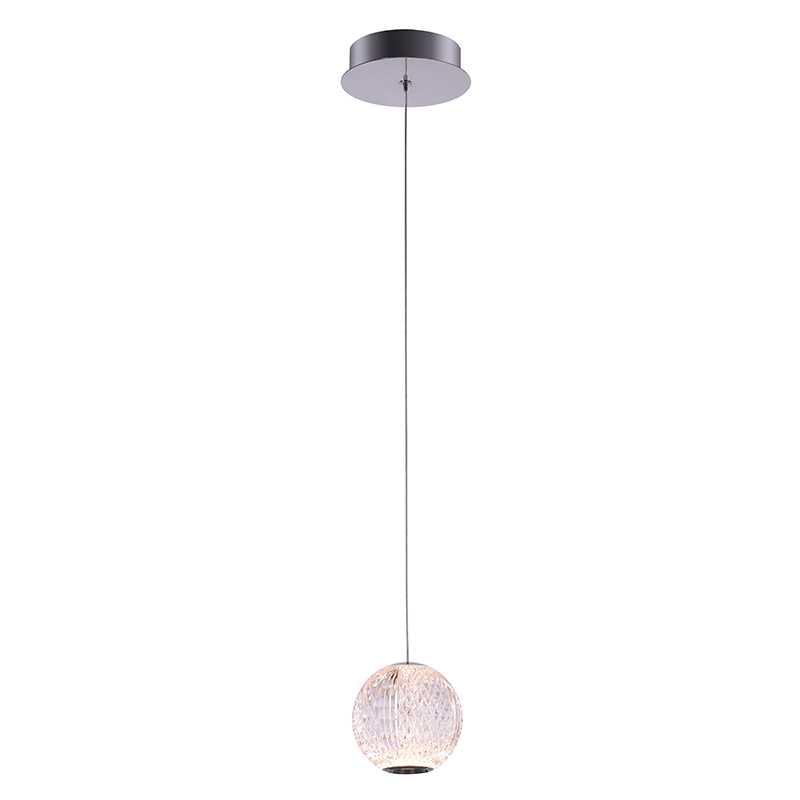
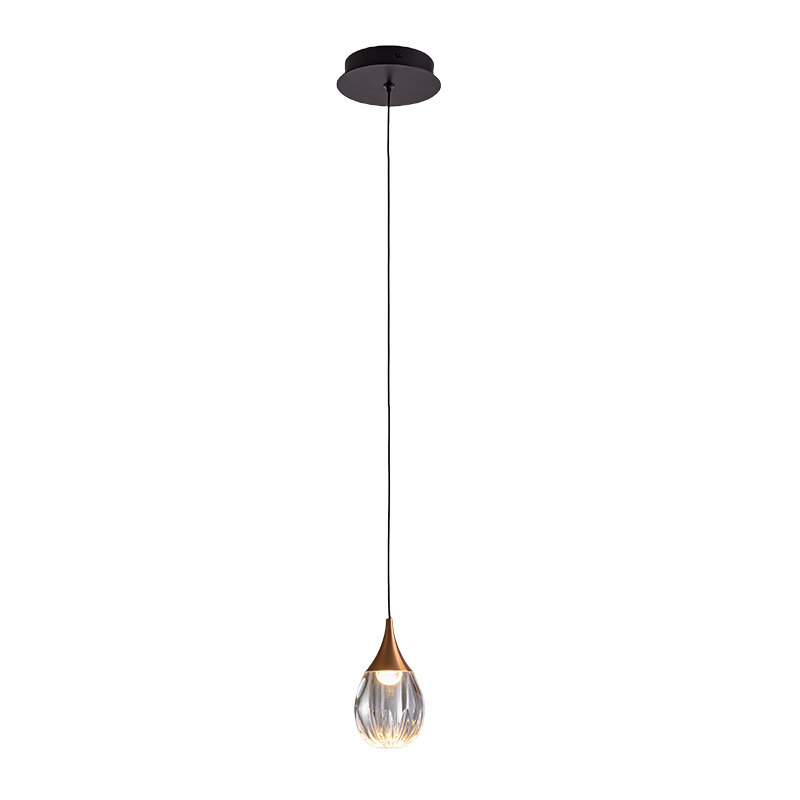
Form factors matter too. We’re seeing decorative lines, like diamond pendant lights, get the same guts as street luminaires: better surge immunity, sealed optics, and tuned drivers with soft-start profiles. Why? Because hospitality and retail want beauty with backbone—no buzzing, no early yellowing. Compare vendors by their photometric testing depth across ambient ranges, not just at 25°C. Check if they validate mesh radios inside metal housings without detuning. Note who publishes field failure rate by population size and time bucket—semi-annual is honest. In short, judge the engineering culture as much as the catalog. Different tone, same goal: fewer truck rolls, better nights, happier sites.
To wrap it, keep three checks in your pocket when choosing: 1) Field performance metrics: six- and twelve-month failure rates, lumen depreciation curves, and surge event logs. 2) System resilience: driver topology, thermal path design, IP rating under freeze-thaw, and recovery behavior after brownouts. 3) Lifecycle fit: modularity, spare-part availability, and firmware update support for controls. Nail those, and you stop buying lights—you start buying uptime. If you want a name to benchmark against, take a look at kinglong for reference and compare accordingly.