A Small-Town Meeting, Big Lessons
I watched a school board meet under buzzing lights at the grange hall, where folks still bring pie to share and print stacks of paper. This paperless conference system kept the meeting moving. We counted last year’s load: about 480 pages per session, 12 binders, and time lost each vote while folks flipped pages (dust flying). Trim that by even half, and you save hours and postage money—plus fewer jammed copiers. Yet here’s the kicker: the bottleneck was not the people. It was the paper trail and the old audio rig. The latency budget between mics and screens was all over the place, and the PoE switches were mixed and matched like spare parts in a barn.
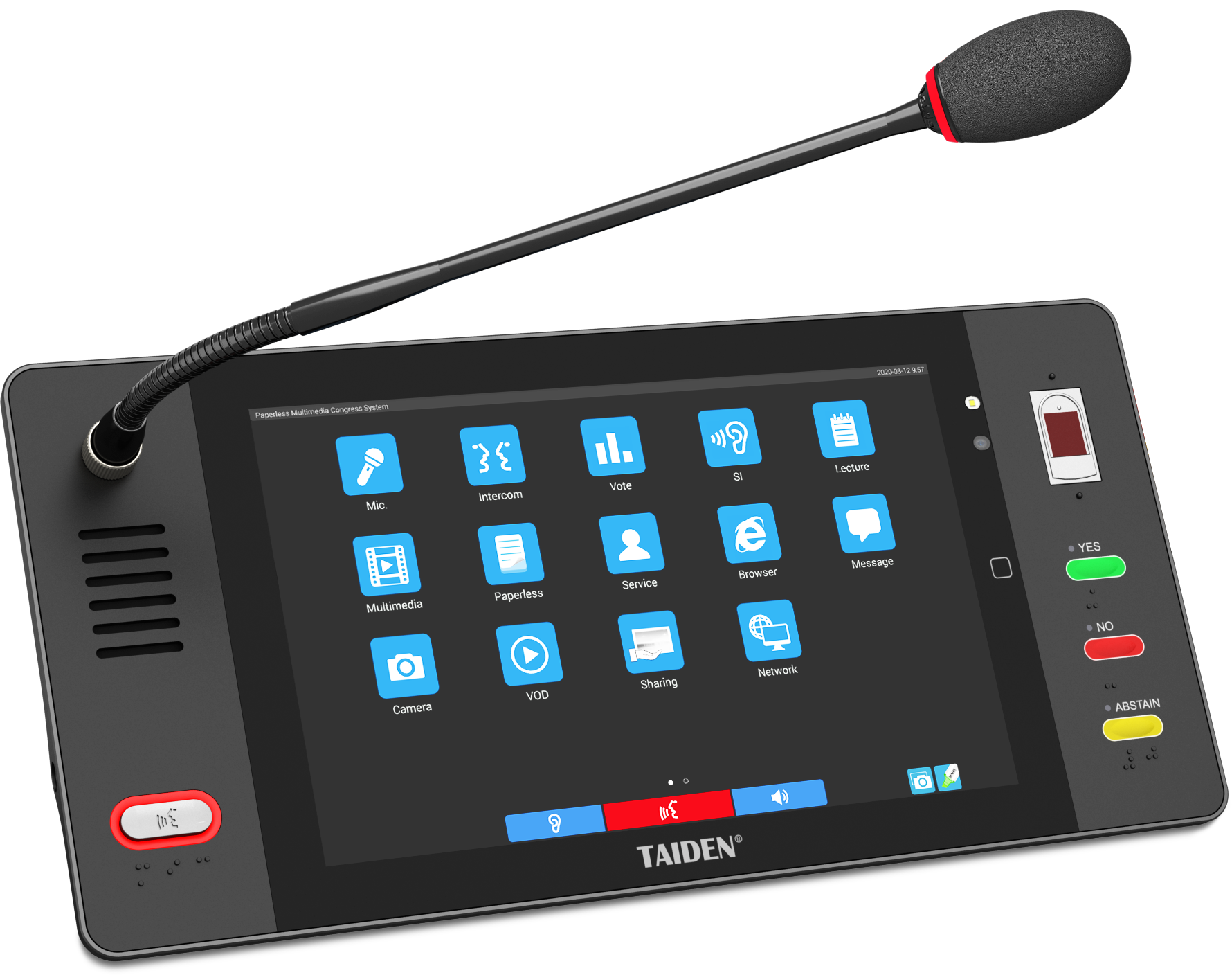
So I asked, plain and simple: if the chores are heavy, why not hitch better tools to the wagon? Could a smarter setup cut waste and calm the room at once? Hold that thought—let’s peel back what paper has been hiding all along.
The Root Problems Paper Hides
Why do old setups fall short?
A modern smart multimedia meeting system does more than ditch paper. It fixes the unseen faults that make meetings drag. Traditional rigs rely on analog chains, splitters, and a pile of remotes. Each hop adds noise and delay. When you move to digital, you centralize control and put tasks at the edge. Edge computing nodes handle mic gating, voting, and media sync close to the seat. A digital signal processor lines up voices and screens so the chair doesn’t outrun the slides. Redundant network rings keep signals flowing if a cable gets yanked. Look, it’s simpler than you think, because now your rules—mute, record, queue—travel as software, not tape and sticky notes.
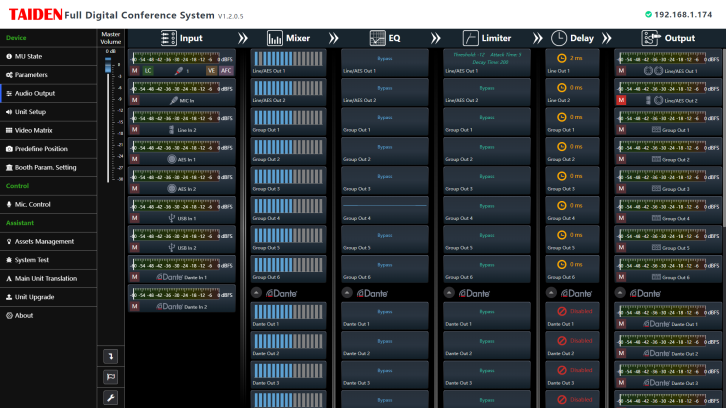
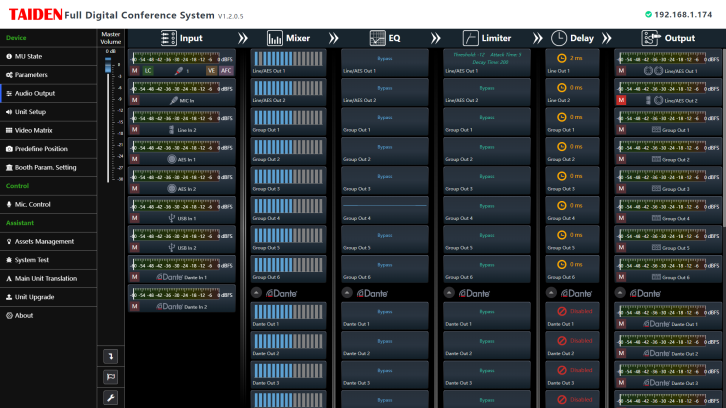
Paper also masks weak links. Handouts hide that the projector is slow to sync. Sign-in sheets hide that security is thin. With a smarter system, you apply QoS policies so voice beats video when bandwidth dips, and you watch the latency budget in one dashboard. Power comes clean through PoE switches and well-rated power converters, not a daisy chain of bricks. Even the floor mics behave, because priorities and thresholds are set once, then tested. And when folks say the meeting “feels” calmer—funny how that works, right?—it’s often because the back-end is steady, with fewer unknowns to trip you up.
Next-Gen Principles, Real-World Wins
What’s Next
Here’s the forward step. The same backbone that cuts paper also hardens process. A good platform applies new technology principles: secure by default, sync by design, and managed at the edge. Sessions are signed with rotating encryption keys, and single sign-on trims the password mess. Multicast streaming feeds many screens without clogging links. Meanwhile, your chairperson’s controls ride on top of redundant network rings, so one switch going down is a non-event—no drama. Compare that to a binder that gets lost in the truck; you can’t fail over a binder. A well-built paperless meeting solution also tracks actions, not just documents. Motions, timestamps, who spoke, who voted. It becomes a clean ledger for the next agenda—no hunting through email threads.
Let’s ground it with a small-town case. The council swapped binders for tablets and tied mics, screens, and voting to the same control plane. They set a 60 ms end-to-end latency budget and kept it with QoS rules. Edge computing nodes handled speech lift and interpretation without hauling everything back to a single box. When the far hall added a second room, they extended with PoE, not guesswork, and kept continuity through redundant links—no forklift upgrade. Costs dropped where no one expected: fewer staff hours, fewer emergency call-outs, less room downtime. And no, you don’t need a server farm—just sane design, clear roles, and gear that speaks the same language.
Before you pick your stack, keep it practical. Here are three yardsticks to guide you: 1) Performance: target consistent sub-80 ms round-trip with voice priority and measured drift under 20 ms; 2) Resilience: dual-path networking, documented failover, and tested alarms for every critical node; 3) Security and governance: rotating encryption keys, role-based access, and exportable logs for audits. Get those right, and the rest is steady work. If you’re weighing options, compare by principle, not polish—does it protect speech first, keep records clean, and scale room to room without rewiring? That’s the kind of common sense that pays off, season after season, with or without fancy labels from TAIDEN.