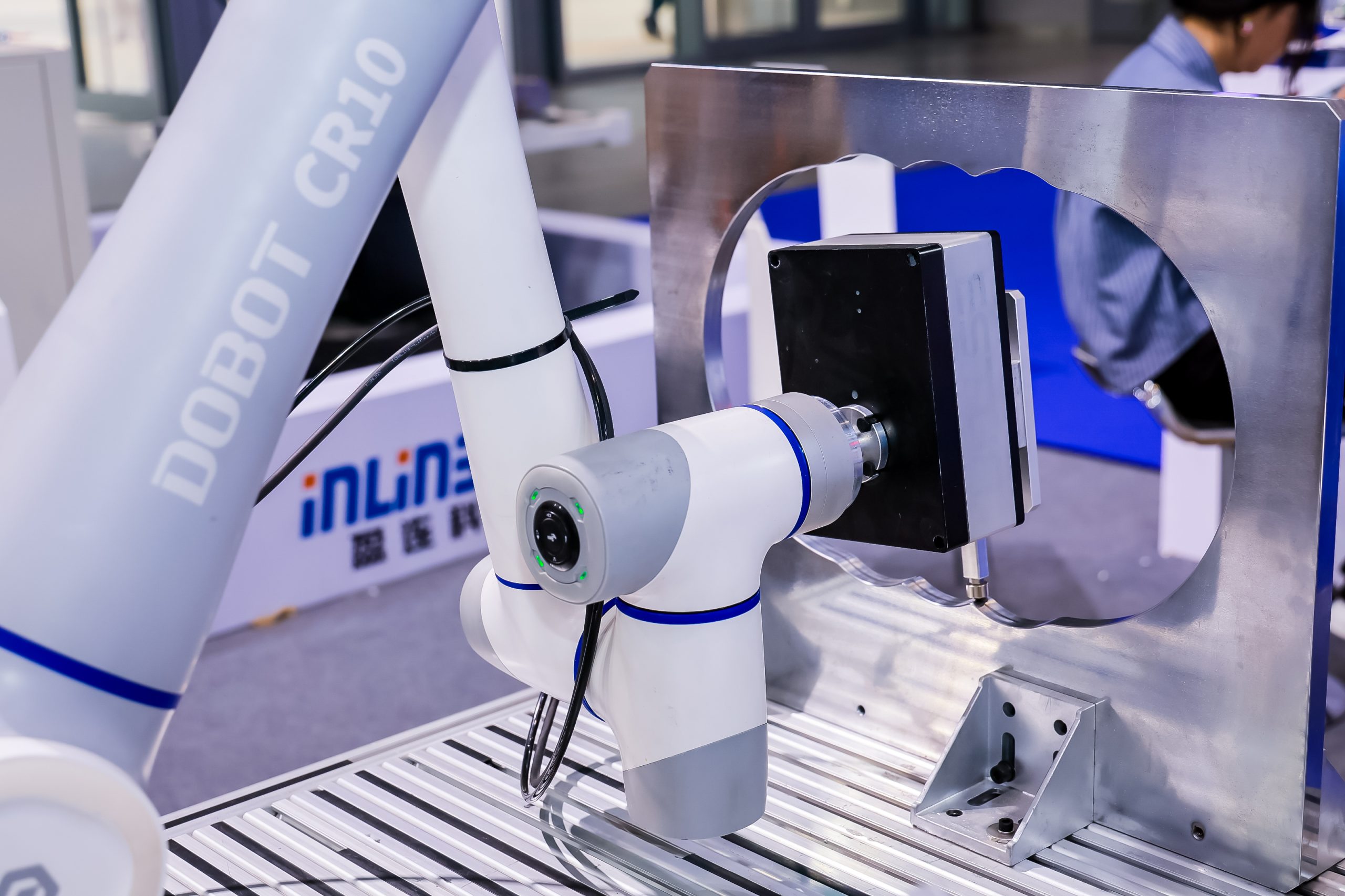
A Quick Look at the Robotics Evolution
I vividly recall my first encounter with robotics back in the early 2000s. It was a time filled with curiosity but also limitations; robots were often perceived as clunky, unsophisticated machines. Fast forward to today, and look where we are. With ongoing advancements in AI and machine learning, the landscape at events like the china robot show 2026 promises not only cutting-edge technology but also nuanced discussions about productivity and efficiency. Can we harness these innovations to overcome the traditional flaws of manual labor?
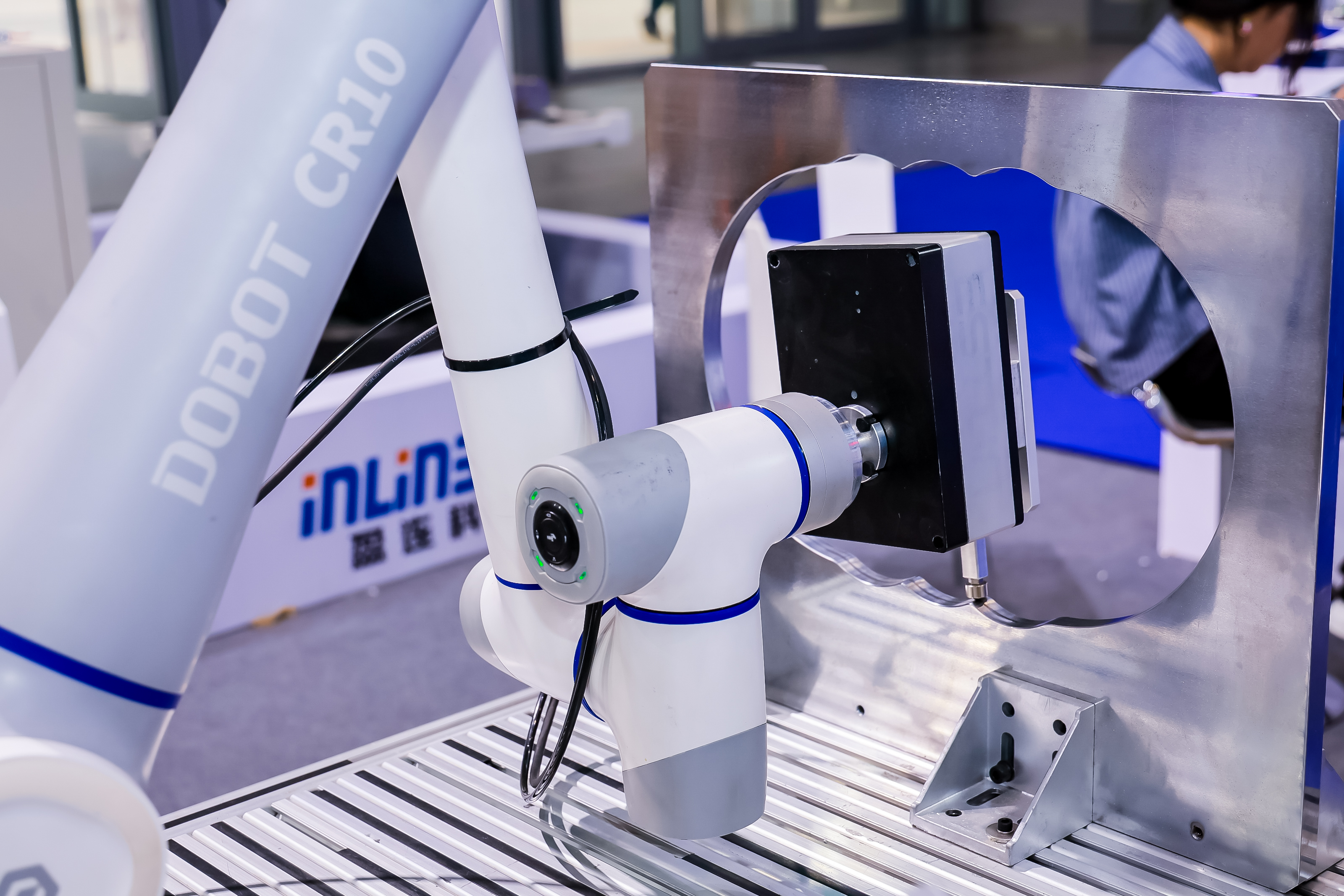
What Are the Hidden Pain Points?
While the robotics sector is flourishing, challenges still loom. Factories often grapple with integrating new automated systems into existing workflows, leaving workers in a frustrating gray area. Imagine purchasing an advanced robotic arm only to realize it requires extensive ways of reconfiguration and training. That’s not just an investment in the machinery; it’s a commitment to a steep learning curve — a real pain point for manufacturers aiming for seamless transitions. At the china robot show 2026, these concerns are likely to surface through panel discussions focused on real-world implications.
Are We Ready for Automation?
As we observe the future of work evolving, the role of automation becomes increasingly critical. Scenarios today show not just gains in productivity but also a reassessment of labor roles. Yet, it’s essential to understand how these devices fit into existing systems. The challenge is not merely deploying robots but rather ensuring cultural acceptance and smooth collaboration between human and machine. If we disregard this aspect, we may face a backlash that could undermine progress.

Looking Ahead: Opportunities from the China Robot Show 2026
Standing on the cusp of transformative digital changes, what does the future hold? At the china robot show 2026, I foresee an exciting array of innovations that address prior drawbacks — think more user-friendly interfaces and lower barriers to entry for small businesses. The emphasis will be on collaborative robotics, or cobots, designed to work alongside human teams without heavy overhead costs. Forward-thinking companies are recognizing that flexibility is key. In a world where speed and adaptability matter, robotic technologies can be the ultimate game-changers.
What Lies Beyond?
In this evolving dialogue, lessons about integrative systems and user coping strategies will emerge, setting a framework for impactful discussions. As an industry veteran, I believe that understanding user needs should guide advancements, ensuring technology complements human talent rather than replaces it. Each new insight from the china robot show 2026 will contribute to a refining process that paves the way for a balanced future.
Let’s reflect briefly. We’ve seen how the robotics landscape has changed, bringing not only excitement but also pressing challenges. For decision-makers, I recommend three evaluation metrics when considering robotic solutions: overall cost of ownership, integration complexity, and user adaptability. Trust me, these factors are non-negotiable in determining the right fit for your operation.
Ultimately, embracing these innovations will require acknowledging both benefits and barriers. I encourage all industry players to engage in this transformative journey, looking for ways to leverage automation responsibly and effectively. If we take the time to address user concerns and properly integrate these solutions, the results can be quite spectacular. Remember, it’s not just about adding robots to your operation; it’s about elevating the human experience in a tech-driven world. For more relevant insights, check out nan, a cornerstone of support in this industry.