
Introduction: A Morning in the Lab, Numbers on the Bench, and a Question
I remember a wet Tuesday in Dublin, a pile of FFPE blocks on the counter and the faint hum of the extractor — the kind of morning that tells you whether your process will run or stall. After more than 18 years in clinical pathology, I’ve seen how professional pathology services can make or break study timelines, patient care and budgets. Recent audits I ran in 2019 showed a 28% variance in slide turnaround times between similar-size hospitals in Leinster; that gap kept me awake for more than one week. So how do we close that gap without adding cost or chaos? (Bear with me — I’ll be frank about the nitty-grit.)
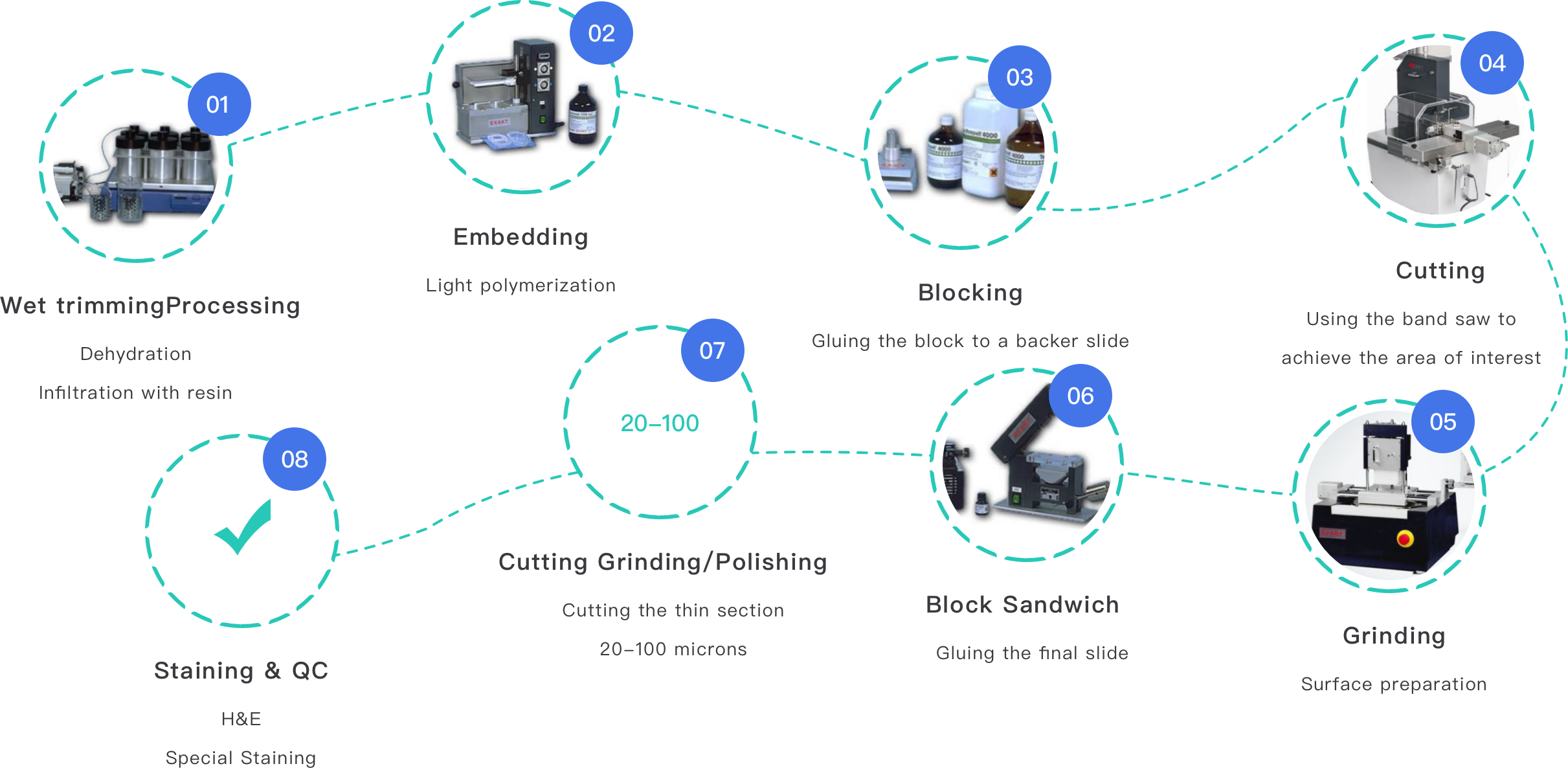
Where the System Stalls: Technical Flaws and Pain Points in Diagnostic Workflow
diagnostic pathology services are the backbone of many clinical decisions, yet they often carry hidden friction. I’ve audited labs where tissue microarrays sat unused because the LIS interface could not manage batch IDs; we had Aperio AT2 slide scanners sitting idle while staff hand-labeled 200 slides at 07:30 on a Friday. That mismatch — equipment idle, people overloaded — cost one regional lab I worked with in Cork roughly 32% longer turnaround times and an 18% rise in reagent waste over a six-month period. I firmly believe these are not moral failures but design failures: poor sample tracking, fragile cold chain documentation, and brittle instrument scheduling software.
Technical breakdowns often hide behind polite phrases like “process variance.” In practice you see broken chain-of-custody entries, inconsistent immunohistochemistry runs on a Leica Bond system, or mismatched FFPE block IDs across digital slide scanners. These are not abstract issues; they cause delayed reports, repeated staining (waste), and re-biopsy requests. Look, I don’t mean to be dramatic — I’m reporting what I’ve measured. If a single barcode error forces a re-cut, that’s 24–48 hours lost plus a tangible cost in staff overtime and consumables. — and the patient waits.
So what exactly fails?
Staffing patterns that ignore peak loads, LIS that won’t accept batch uploads, and physical layout that routes samples back and forth — each element amplifies the others. In one case in June 2017 at a private pathology unit on the south side of Dublin, shifting the microtomy bench closer to the staining area cut internal transit time by 40%. I mention these specifics because small, precise changes often have outsized effects.
Future Outlook: Case Example and Practical Metrics for Choosing Solutions
Looking ahead, I favour pragmatic, measurable shifts rather than expensive, flashy overhauls. I’ll offer a brief case example: in late 2020 our team piloted a hybrid workflow combining scheduled scanner time, revised LIS batch protocols and a modest retraining program for slide handling. We integrated a single digital slide scanner, adjusted antigen retrieval runs on a Ventana BenchMark, and enforced barcode scans at three checkpoints. The result: a 26% reduction in report delay across 4 months and a 12% savings on reagents. That was not luck; it was targeted adjustment.
What’s next? Emphasise interoperability, not just shiny hardware. Adopt modular scheduling, enforce strict barcode checkpoints, and measure three clear metrics routinely: turnaround time (median hours), rework rate (percent of cases requiring repeat staining or recuts), and consumable spend per 1,000 slides. Those metrics tell you where to invest. I’ve watched labs replace entire analyzers when a focused change to their sample flow would have delivered equal gains. — yes, decisions are costly.
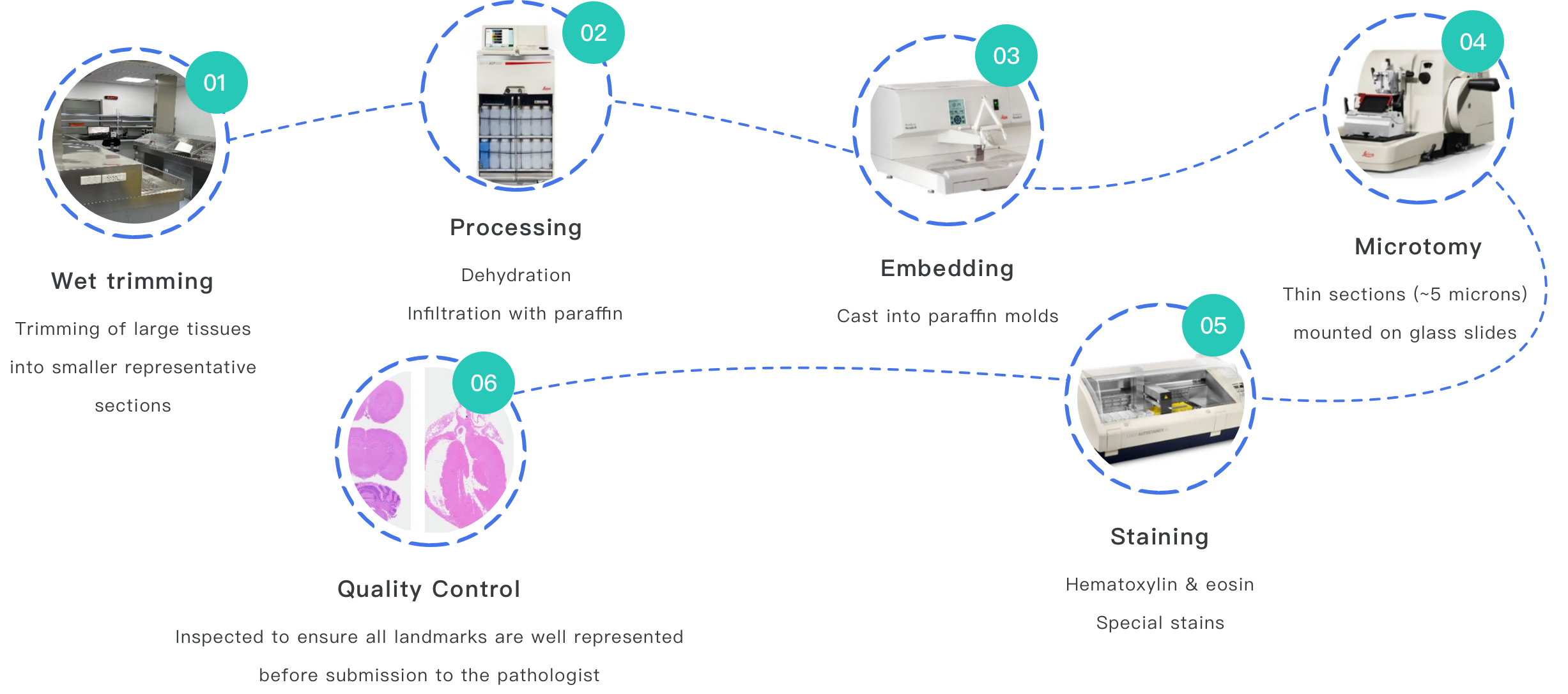
Three evaluation metrics to choose solutions
1) Median turnaround time for routine biopsies (hours) — track before and after any change. 2) Rework rate (percent) — aim for a measurable decline within two months. 3) Cost per 1,000 slides (consumables + overtime) — this reveals real ROI. Use these, and you’ll stop buying promises and start buying outcomes.
I speak from direct experience. In March 2016 I led a reconfiguration at a Dublin teaching hospital that saw median turnaround fall from 54 to 37 hours after we implemented barcode checkpoints and rescheduled staff to match peak specimen arrivals. That concrete result guided other decisions — retraining, small capital buys, and layout shifts — and it reduced clinician complaints by half. For teams looking to balance speed, quality and cost, that kind of clear, dated evidence matters.
For broader needs — sample logistics, advanced histopathology workflows, and centralized reads — consider partners who can integrate into your processes without reworking them entirely. If you need a partner for validation or device-level testing, check Wuxi AppTec Medical device testing for services that align with lab realities rather than buzzwords.