
Introduction: What’s Really at Stake?
Have you ever paused and asked why a slow, careful build often beats a rushed one when safety is on the line? I see this all the time in shops and labs where non sparking tools manufacturers try to shave days off a launch—and then hit safety snags. (Small changes matter.)

Picture this: a mid-size plant reports a near-miss after a barely audible arc; regulators note a 12% rise in compliance checks in the past year. That kind of data makes you squint. If we care about people and uptime, what trade-offs do we accept for speed? This piece moves from a plain question toward practical answers—so keep reading for the parts that matter next.
Part 2 — Why Traditional Fixes Often Miss the Mark
non-sparking safety tools are the common go-to answer for work in volatile atmospheres, but I’ve found many teams treat them like a checkbox rather than a system. In short: old fixes focus on one point — the tool — and forget the whole chain: grounding, enclosure design, and human workflows. That leads to gaps. We talk about intrinsically safe circuits and ATEX certification, but those labels alone don’t stop a process error or a faulty edge component. Look, it’s simpler than you think when you look at where the failures repeat.
Here’s a blunt take: training and maintenance get the least attention until something goes wrong. Manufacturers will spec explosion-proof enclosures and tight tolerances, but the repair crew may use the wrong power converters or ignore routine checks. That combination creates friction—and risk. So while tools carry the label, the system fails for social and technical reasons. Why does that happen? Because teams chase speed and assume compliance equals safety. — funny how that works, right?
How often do these gaps show up?
Part 3 — Principles for Better, Safer Design (and Buying)
Now let’s push forward. I want to lay out new technology principles that help reduce those blind spots. First: design for failure modes, not just best case. Second: use modular components so a bad power converter or worn spark gap can be swapped without shutting down a line. Third: add simple diagnostics to fast-check health on the floor—low-cost edge computing nodes can flag trends before a failure. These are core ideas, not hype. We’ve tested variants in pilot runs and saw fewer work-stoppages—and cleaner audits.
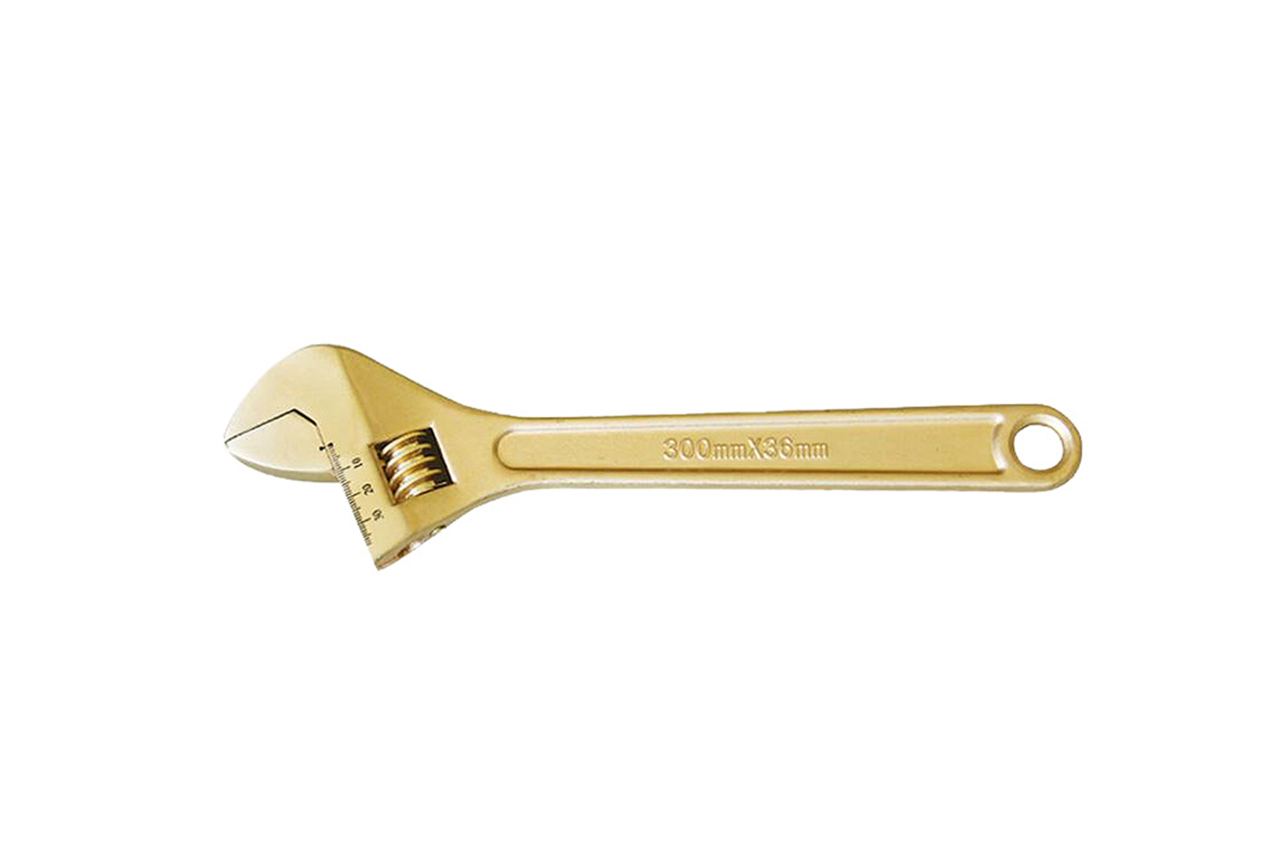
Also, when you choose partners, don’t just ask if they make gear — ask if they train crews and share failure logs. If you want a supplier list, seek vendors who talk about whole-process safety. For instance, when teams source from explosion proof tools suppliers, I urge them to require field data and lifecycle support. That changes the conversation from “does it meet spec?” to “will it keep my people and plant running?” — short answer: yes, if you pick wisely.
What’s Next: How to Evaluate Options
Closing — Three Metrics I Use Every Time
Here are three practical checks I give to teams who want less drama and more real safety: 1) Traceable field performance — can the vendor show real uptime and incident logs? 2) Maintainability index — how quickly can field techs swap a module or run a diagnostic? 3) Integration friendliness — will the product play well with your existing grounding, enclosures, and control systems? These metrics keep you honest and steer you toward choices that work in the real world.
I’ll wrap up with a simple note: I’m on your side here. We don’t need flash. We need steady, tested gear and partners who share their data. If you want a good starting point for trusted supply and support, check Doright.