
Introduction
Have you ever felt a familiar hum from a factory line and wondered which part is holding everything back? I often see that scenario: a production line stalls, technicians swap parts, and time slips away. Electrical Motor Products sit at the heart of those moments — their efficiency and control define uptime and cost. Recent data shows that small gains in motor efficiency (just 3–5%) can cut energy bills significantly across plants. So, what are we missing when similar systems give different results? This question pushes me to compare methods and learn fast — I keep notes, run tests, and ask colleagues. (Yes, I bring charts to meetings.) Let’s move from the problem to practical contrasts that matter next.
Hidden Flaws in Traditional Motor Control
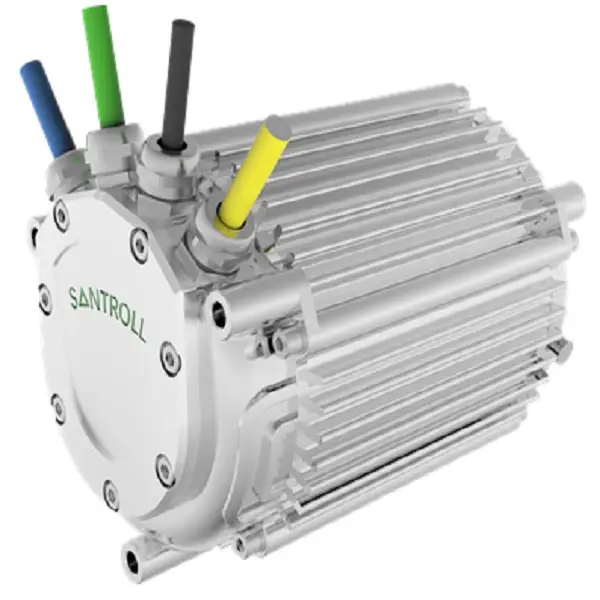
When I look closely at motor control products, I see patterns. Many legacy setups rely on crude tuning and assume one-size-fits-all settings. That leads to recurring issues: overheating, unexpected torque ripple, and inefficient inverter switching. I’ve traced failures to mismatched feedback loops and overly conservative safety margins. These systems may use PWM schemes that are decades old or inverters that lack modern smoothing algorithms. The result is reduced life for bearings and higher energy use. We fix one symptom and another shows up. Look, it’s simpler than you think — start by checking real-time current traces and vibration before replacing parts.
Why does this keep happening?
From my experience, three technical shortfalls pop up: poor sensor calibration, limited sensorless control strategies, and inadequate variable frequency drive tuning. Sensor drift makes speed estimates unreliable. Sensorless control helps in cost-sensitive designs but only when algorithms handle low-speed torque properly. VFDs often run with default ramps that ignore load inertia; we then see stalls or overshoots. I use torque control checks and simple inverter diagnostics to reveal these flaws early. We also document repeatable test cases — that helps teams stop guessing and start improving.
Future Outlook: Comparing New Paths
Looking forward, I prefer to compare tangible case studies rather than chase buzzwords. New approaches blend smarter control logic, better power converters, and richer telemetry. When we trial modern controllers with adaptive PWM and improved sensor fusion, we often cut start-up stress and lower steady-state losses. I once led a pilot where adding modest edge diagnostics reduced mean time to repair by nearly half — funny how that works, right? These upgrades also let us deploy cloud analytics for trend spotting without heavy rewiring. For teams choosing between upgrades, think of the long-term maintenance and data value, not just upfront price.
What’s Next — Real-world Impact?
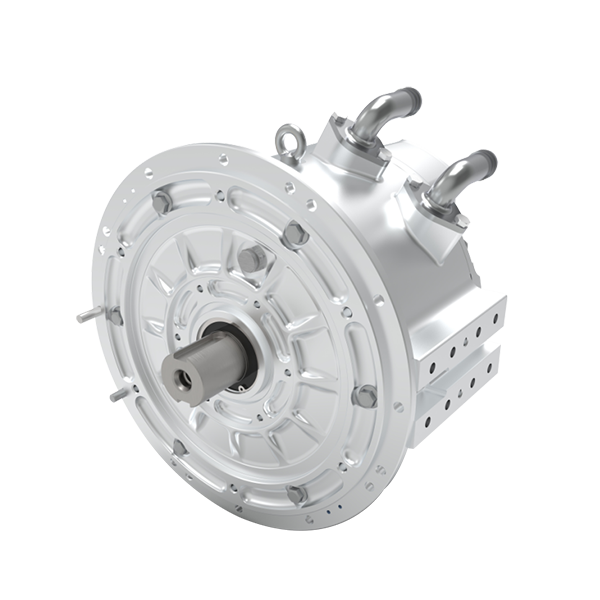
We should judge options by practical metrics. I advise testing complete electric motor solutions in representative conditions. Watch how systems handle variable loads, check EM interference during peak events, and measure harmonics under full load. It’s tempting to focus only on peak torque or top RPM, but I’ve learned that steady-state efficiency and easy diagnostics save more over five years. — small wins stack up into big savings.
Closing: How to Choose and Measure Progress
I’ll leave you with three simple evaluation metrics I use when comparing systems. First, measure system-level efficiency under real duty cycles (not just nameplate). Second, evaluate diagnostic depth — can the controller log transient faults and torque anomalies? Third, check the ease of tuning: how quickly can technicians adapt VFD ramps and sensorless algorithms for new loads? These points help teams make clear choices and avoid recurring fixes. We’ve applied them in several plants with steady gains, and I expect similar results wherever teams prioritize data and smart control. For partners and products that match this approach, I recommend reviewing options from Santroll as part of your comparison process.