
Introduction: Putting the Problem in Plain Terms
Ever wonder why a promising charging plan turns into a logistics headache overnight? I’ve seen it happen on routes, at depots, and in proposals — and the numbers back it up: fleets report up to 30% more downtime when charging setups aren’t matched to real usage. In the second sentence you’ll notice I said dc ev charger because that mismatch often starts right there — with the wrong charger type for the job. (Small details, big costs.)
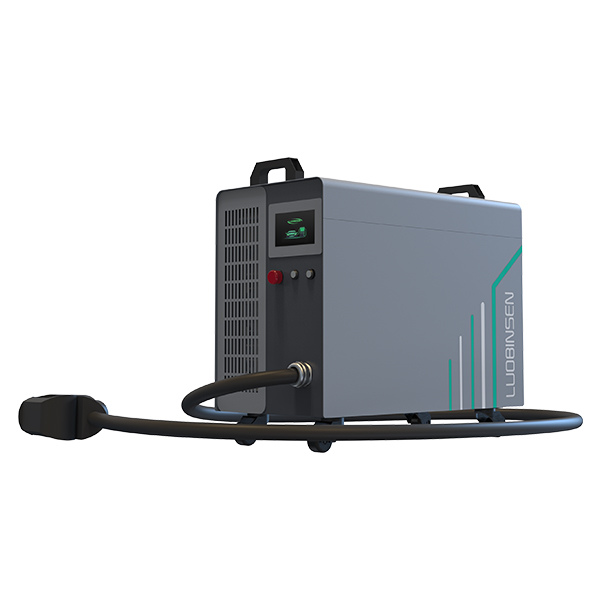
Imagine a depot with ten vehicles that need 80% state-of-charge each morning. The scenario looks simple on a spreadsheet, but peak demand, poor scheduling, and incompatible charging protocols create delays. So I ask: how can teams cut idle time and avoid expensive upgrades? That question leads us straight into the deeper issues — the technical limits and user frustrations that usually hide behind vendor slides. Let’s dig into what is really failing and why we keep repeating the same mistakes as an industry.
Traditional Pain Points: Where dc wallbox ev charger Solutions Fall Short
Why do these systems still stumble?
I’ll be direct: many dc wallbox ev charger deployments start with optimism and end with compromises. In practice, the equipment, site planning, and software often don’t align. Power converters sized for peak power sit idle, while charging protocols aren’t fully supported across vehicle makes. Battery management systems vary, and that mismatch forces slower charge rates or manual intervention. Look, it’s simpler than you think — most failures trace to a few predictable gaps.
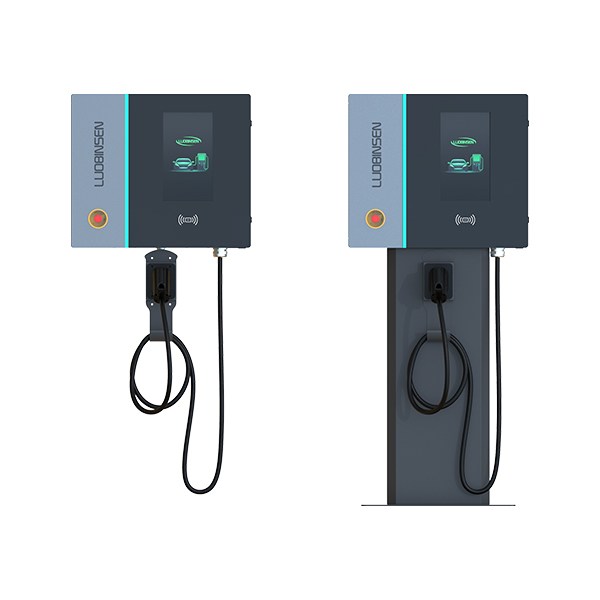
Technically, installers underestimate grid constraints and overestimate plug-and-play interoperability. Without proper grid integration and peak load management, you get breaker trips, throttled charging, or unexpected bills. I’ve audited depots where a single missed specification—like a limited DC bus capacity—meant cascading delays every morning. Those are hidden user pain points: scheduling headaches, increased labor to shuffle vehicles, and the stress of last-minute route changes. These are not abstract; they hit the bottom line and the drivers’ patience.
What’s Next: Principles for Smarter, Faster EV Charging
How new approaches change the game
Now let’s look forward. I prefer a principles-first view: design around energy flow, control, and visibility. Modern systems blend intelligent power converters, edge computing nodes for local decision-making, and adaptive charging protocols. When you combine those, an ev dc fast charger network can ramp to demand, protect the grid, and charge more vehicles in less time. It’s not magic — it’s engineering and better operational planning.
For example, distributed control lets a site prioritize buses with tight schedules while smoothing demand across hours. That reduces utility penalties and keeps drivers on time — funny how that works, right? Add remote monitoring and predictive maintenance, and you cut surprise downtime. I’ve watched a depot drop maintenance calls by half after adding simple telemetry and a smarter charge-management layer. The result: faster turnarounds, lower lifecycle costs, and more predictable operations.
Three Practical Metrics I Use When Evaluating Chargers
Here are three no-nonsense metrics I recommend you use before buying or upgrading: 1) Effective Throughput — the delivered kW over a billing period, not just peak rate; 2) Grid Impact Score — how a solution handles peak load and integrates with local distribution; 3) Interoperability Index — real-world compatibility across vehicle BMS and charging protocols. These let you compare offers side-by-side and avoid glossy specs that don’t translate to uptime.
In short, focus on throughput, control, and real interoperability. I’ve learned to ask the hard questions up front and to test assumptions with small pilots. That saves money and keeps your fleet moving. For implementable products and guidance, I often point teams toward vendors who document real-world performance and provide robust software tools. For more on that, check out Luobisnen.