
Introduction
So picture this: a busy shop, sparks flying, and a welder wiping sweat off his brow while the air tastes like metal — classic scene, right? In many plants I visit, automotive manufacturing welding fume extraction is talked about like it’s this dull compliance checkbox, but the numbers say otherwise: studies show prolonged exposure raises health risks and cuts productivity (yeah, that old chestnut). What bugs me is how often teams ask, “Where do we even start?” — and that’s fair. I’ve seen budget cuts, mis-sized ductwork, and fans run flat-out because someone thought “more power = solved.” Bottom line: we need smart moves, not band-aids. Let’s break what matters next — and why fixing the air is not optional, it’s smart business.
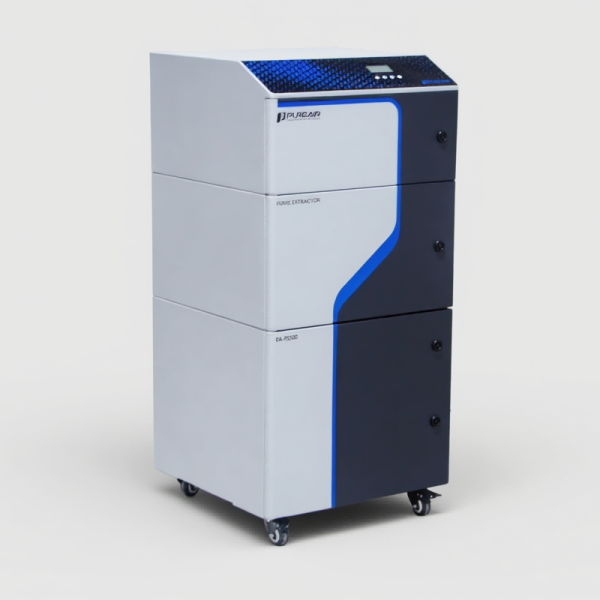
Why traditional systems keep failing (and what that really costs)
vehicle fume extraction systems have been sold as the cure-all for years, but I’ll be blunt: many legacy setups miss the point. Old hood-only systems and undersized fans often give a false sense of security. Capture efficiency drops when welders shift position, and clogged HEPA filters or crude ductwork throttles airflow — so the system looks like it’s working while fumes still linger. Look, it’s simpler than you think: if your capture point isn’t tight to the weld, you’re chasing fumes with a broom. — weirdly common, right?
From what I’ve seen, three big technical flaws repeat: poor system balance (fan impeller sizing wrong), lack of ambient monitoring, and no variable speed control. Those faults cost you more than clean air — higher maintenance, shorter filter life, and higher energy bills. We’ve swapped out systems where energy use dropped 30% after adding proper VFDs and matched capture arms. That’s not marketing. It’s measurable. If you care about worker health, uptime, and costs, you can’t ignore these weak links. (Yes, that can be fixed — step by step.)
So what’s the real user pain?
Mostly it’s nuisance and distrust: welders feel the system isn’t helping, supervisors see rising costs, and safety teams get blamed for poor decisions. I hear that a lot. We need solutions that are adjustable, measurable, and simple to use.
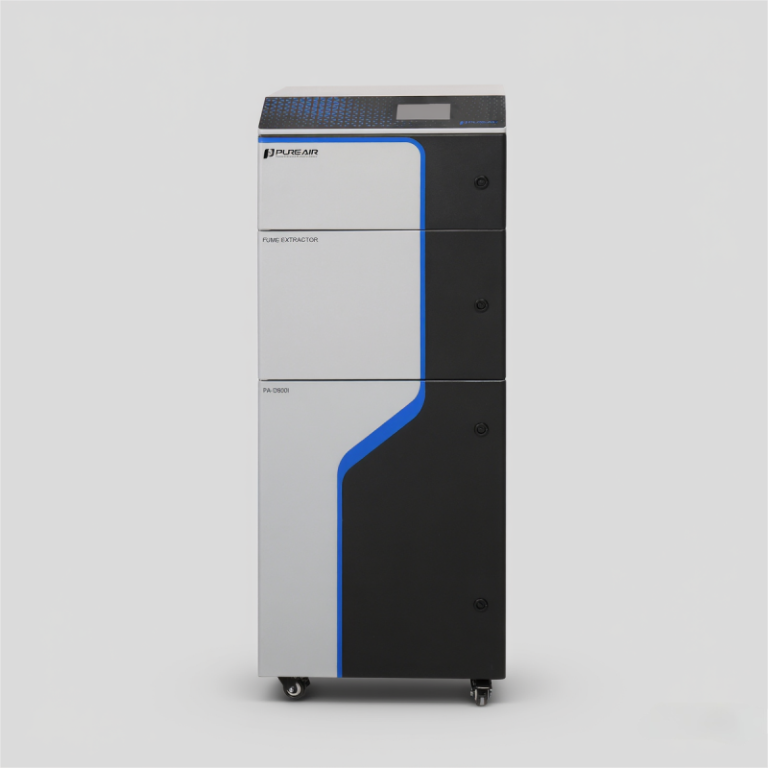
New tech principles to look for — and how to pick them
Okay — forward-looking time. Modern designs for vehicle fume extraction systems center on three ideas: localized capture, smart controls, and real-time monitoring. I like systems that bring the capture point close to the arc (adjustable extraction arms), use VFDs to match flow to demand, and tie in sensors so you actually see particulate counts. Those are the game-changers. They cut wasted airflow and extend filter life, and yes — they reduce noise too. — funny how that works, right?
When we evaluate options, I look for clear specs: capture velocity at the hood, filter MERV/HEPA rating, make of fan and impeller, and whether the system supports ambient monitoring or edge computing nodes for data. Don’t buy on brand alone. Ask for test data. I always suggest a trial or phased rollout so you can measure capture efficiency in your own shop. It gives you real numbers to justify the upgrade and avoids surprises. In short: pick systems that make the invisible visible, and give operators control.
What’s Next — three metrics I use when choosing a system
Here are the three core metrics I use to judge any extraction solution: capture efficiency (percentage of fumes removed at the source), total cost of ownership (filters, energy, maintenance), and responsiveness (how quickly the system adapts to different weld positions). These metrics cut through the hype and show what actually moves the needle. I recommend testing these on-site before committing.
I’ve worked with shops that went from guessing to knowing in weeks — better air, fewer sick days, and lower running costs. We can do the same. If you want practical next steps, start with a short audit, measure one workstation, and push for a trial of a modular, sensor-backed solution. For more resources and real products, check out PURE-AIR.