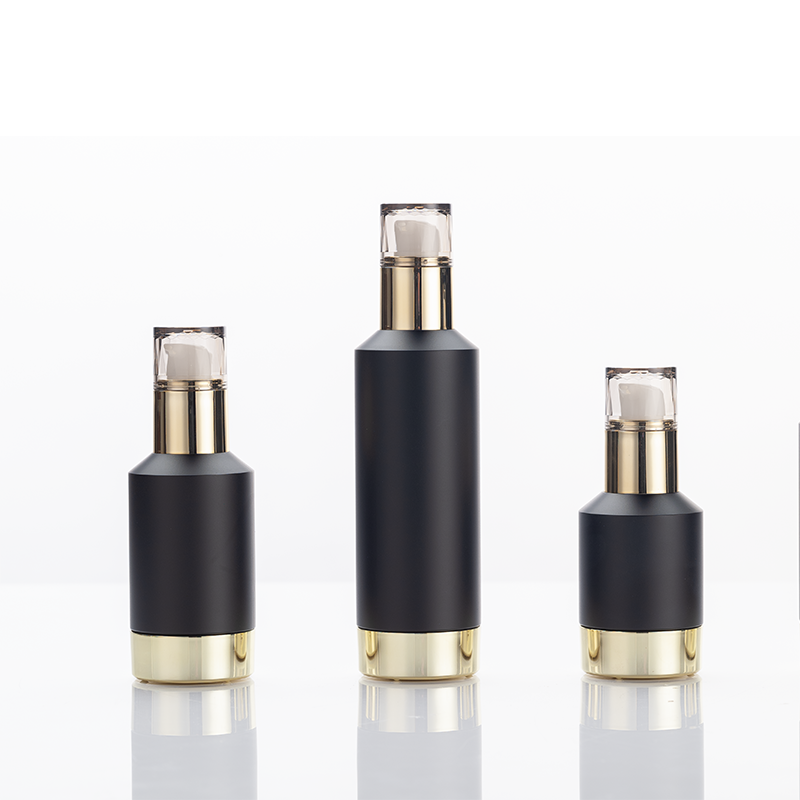
Why Side‑by‑Side Thinking Wins in Pet Packaging
Clarity beats guesswork in sourcing. You are lining up a new grooming line and the clock is loud — and fast. A pet cosmetic bottle manufacturer sits at the center of this launch. Recent industry surveys show that packaging errors can drive double-digit rework rates and slip delivery by weeks. Now picture that cost during a seasonal push. Could a sharper comparison method prevent it?
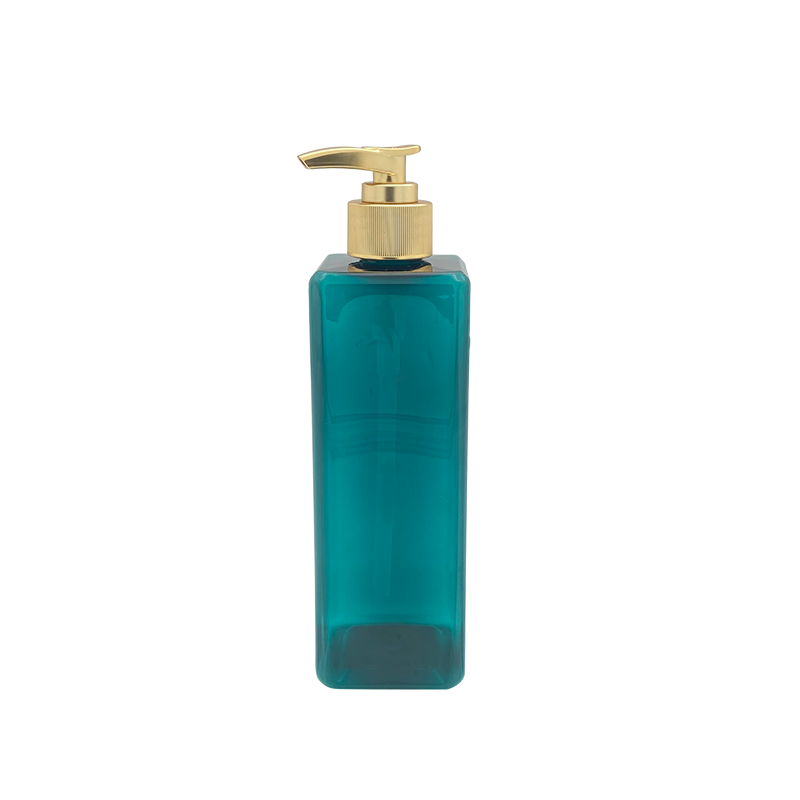
Here is the scenario: two vendors look equal on price and lead time, yet one hides weak process control and thin documentation. The other shows cleanroom discipline and robust test data. The gap shows up only under stress. That is why a comparative lens matters (and why so many teams learn it the hard way). What test data, what mold strategy, and what change-control policy actually move risk off your plate? Let’s break it down and move from hunches to signals.
Below, we frame the core issues, expose unseen pain points, and then outline where new methods are changing the game. Onward to the real friction.
Hidden Friction at the Pet Cosmetic Bottle Factory
Where do the real bottlenecks hide?
The real story at a pet cosmetic bottle factory starts before the first bottle drops. Material choice, mold set-up, and line validation define your fate. In injection stretch blow molding (ISBM), small drifts in preform temperature or resin viscosity cause weight spread and wall-thickness variance. That variance shows up later as label wrinkling, leak risk, or stress cracking. Classic fixes—extra inspections, wider tolerances—mask the core flaw. They do not fix the process. Look, it’s simpler than you think: ask for Cpk indices at critical dimensions, torque testing for closures, and documented mold maintenance cycles. If a supplier cannot show these, the problem is not QC; it is control.
Another pain point hides in sustainability claims. Post-consumer recycled (PCR) resin behaves differently under stretch. Without tuned reheat profiles and gate design, you get haze or neck ovality. Many teams accept higher scrap as “normal.” It is not. A factory with inline vision systems, lot traceability, and cap torque maps will spot drift in minutes, not weeks. And when you change colorants or add UV inhibitors, do they rerun top-load and drop tests? If not, your first shipment becomes the pilot—on your shelf.
From Today’s Limits to Tomorrow’s Methods
What’s Next
Forward-looking plants apply new technology principles to make variation visible—and fixable. They use digital twins of molds to model heat flow, stretch ratios, and gate shear before steel is cut. They tune blow parameters to hit target burst pressure while staying in spec for label panel flatness. They add closed-loop controls that adjust preform reheat in real time as ambient shifts. For cosmetic pet bottles, that means tighter weight control, more stable neck finish, and better compatibility with pumps and sprayers. Add a PCR resin dosing system that verifies blend ratio by mass, not guesswork—funny how that works, right?
There is also a smarter way to manage change. A strong supplier links formulation changes to automatic revalidation: top-load, drop, and burst tests regenerate; torque curves recheck across humidity ranges; barrier coatings get migration checks when color shifts. Inline vision systems catch short shots, flash, and black specks, but the better move is prevention through predictive maintenance on hot runners and mold vents. And when you need faster variants, modular tooling and quick-change neck rings reduce downtime (hours, not days). In short, compare not only “price and lead time,” but the maturity of the process control stack. For cosmetic pet bottles, this stack—digital twins, inline sensing, and change-control discipline—turns fragile launches into repeatable runs.
How to Choose with Confidence
Let’s pull the signal from the noise. We saw why apparent equals are not equal, and why process control beats after-the-fact inspection. We also saw how new tools shift risk left, from shipping dock to design desk. Use these three evaluation metrics when you pick a partner: 1) Verified capability metric: demand Cpk ≥1.33 on critical dimensions and recent torque and top‑load data; 2) Change-control depth: check how the factory revalidates when resin, colorant, or mold cavitation changes (ask for a sample protocol, not a promise); 3) Traceability and speed-to-correct: confirm lot traceability, inline vision thresholds, and documented mean time to detect and fix drift. Keep the talk grounded in data—dashboards, not brochures. Then choose the shop that treats variation as a process problem, not a packaging mystery. For steady launches and fewer callbacks, that lens just works. Learn more at NAVI Packaging.