
Introduction
I was knee-deep in an old industrial shed once, watching a pump wobble like it had a personality crisis — that scene stuck with me. In that same job we swapped a tired motor controller into a modern setup and shaved 18% off energy use within weeks (true story, on-site readouts told me so). So, what makes one controller save money while another just hums along and eats power? I ask that because the answers are practical, not mystical — and they matter if you care about downtime, bills and your team’s sanity. I’ll walk you through real-world choices and why small changes often beat big promises. Right — let’s dig into where the problems really hide and what to do next.
Part 1 — Where Traditional Variable Speed Controllers Miss the Mark (Deeper Problems)
variable speed controller for ac motor sounds like a simple swap, but I’ve seen projects stall because the old-school fixes ignore core issues. Traditional drives often rely on coarse PWM schemes and basic overload settings that don’t address torque ripple or harmonic distortion. In practice that means motors run hotter, bearings wear faster and maintenance climbs — all while the energy meter barely blinks. I call this the “invisible tax” — you pay in breakdowns and lost uptime rather than an obvious fee. Look, it’s simpler than you think: mismatched control loops, poor filtering and dated power converters turn efficiency promises into marginal gains. We began measuring DSP latency and field-oriented control (FOC) performance on a routine retrofit and found latency spikes that killed smooth torque delivery — funny how that works, right?
Manufacturers often pitch nominal efficiency numbers and leave out system-level behaviour. The result is user frustration: systems that trip under variable loads, drives that stray outside safe thermal windows, and panels that require clumsy external filters to meet standards. I’ve watched teams add band-aid solutions — extra capacitors, oversized fuses — instead of fixing the root cause. That wastes time and cash. If you want reliable performance, you need to inspect control algorithms, sensor sampling rates and the whole powertrain (not just the nameplate). A quick checklist I use: verify the drive’s PWM resolution, check for torque ripple mitigation, and confirm EMC filtering is integrated — those three checks catch most silent failures.
So — what can we actually change?
Part 2 — New Principles and Practical Choices for Future-Proof Controllers
Now we shift forward and look at new technology principles that actually help. When evaluating an ac motor controller, I prioritise three things: advanced FOC implementation, robust DSP timing, and native EMC handling. These are not buzzwords — they are the building blocks that deliver smoother torque, lower harmonic content and longer motor life. Modern controllers use real-time field-oriented control, which separates flux and torque loops and lets you tune responses precisely. Add adaptive current limiting and smart thermal models, and you avoid trips under transient loads.
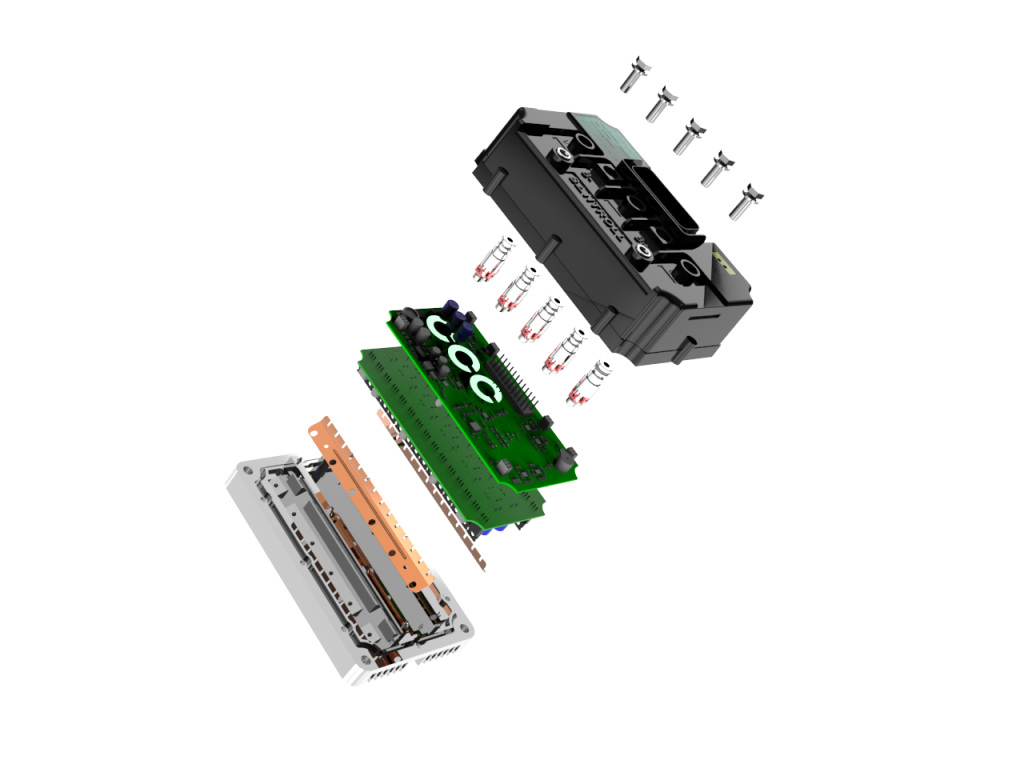
We also see edge computing nodes integrated into drives now, letting diagnostics run locally and report only meaningful events. That reduces network chatter and speeds up troubleshooting. Power converters have improved too — better switching devices and smarter modulation drop conduction losses. I’ve tested units that returned ROI in under a year because they cut both peak draw and repair overhead. What’s next? Expect more model-predictive control and tighter integration between motor and controller (predictive maintenance, anyone?). — small steps, big effect. Below I summarise key evaluation metrics to help you choose wisely.
Real-world Impact
Conclusion — How to Evaluate and Choose the Right Controller
Alright, here are three practical metrics I use when advising teams. They’re straightforward, measurable and they matter on the shop floor:
1) Dynamic Response and Torque Ripple: Test with real load profiles. Measure how quickly the controller settles and note any torque ripple under changing loads. Lower ripple equals less mechanical stress and fewer failures.
2) Thermal and Overload Behaviour: Look beyond short-circuit numbers. Does the controller model motor heating? Can it adapt current limits during prolonged transients? Those features reduce unplanned stops.
3) Integrated EMC and Diagnostics: Choose units with built-in filtering and local diagnostics to cut retrofit complexity and make life easier for technicians. If a controller can tell you why it tripped, you save hours — sometimes days — on fault-finding.
I prefer to see these metrics verified in the field, not just in a brochure. We’ve applied this approach across pumps, conveyors and HVAC, and the results are measurable: fewer call-outs, longer motor life and clearer cost savings. I’m not claiming miracles — but sensible choices make a real difference. If you want a solid starting point for procurement or retrofit planning, check out Santroll for technical specs and support: Santroll.