
Introduction
Have you ever wondered why a promising device sits idle in a clinic corner while patients wait for better answers? The red light bed often promises visible changes in skin and recovery time, yet outcomes vary widely. I see this a lot: red light bed sessions billed as a cure-all, but the data shows mixed results—studies report wide ranges in effectiveness depending on wavelength and dose. What’s going on?
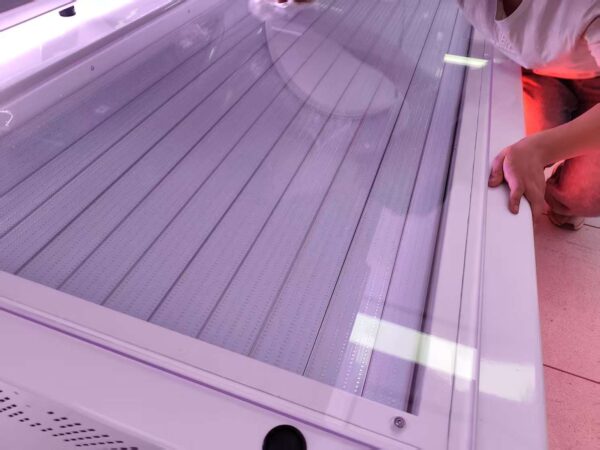
Let me be blunt: the machine isn’t the whole story. Users care about comfort, consistent irradiance, and honest guidance (not hype). Recent surveys suggest up to 40% of folks stop treatment early because they don’t perceive results quickly enough. So I ask: are we measuring the right things, or just pointing at a glowing mattress and hoping for the best? This question leads us into the nuts and bolts—wavelength choices, LED array design, and how power density really drives outcomes. Next, I’ll dig into the hidden frictions users face when they try led light therapies and why small design misses can ruin an otherwise good tech.
Hidden User Pain Points in led light bed therapy
led light bed therapy sounds simple: lie down, let light do its work. Yet I’ve watched patients and clinic staff wrestle with subtle, persistent issues that manufacturers gloss over. First, calibration is rare. Devices arrive with promising specs, but few clinics test actual irradiance across the entire surface. That means one spot hits the right wavelength while other spots under-deliver. Second, user guidance is thin. People don’t get clear instructions on session timing or skin preparation—two small things that change outcomes a lot. Third, comfort and access matter. If a bed is hard to enter for an elderly person, they simply skip sessions. Look, it’s simpler than you think: these are human problems, not just engineering gaps.
Why do these pains persist?
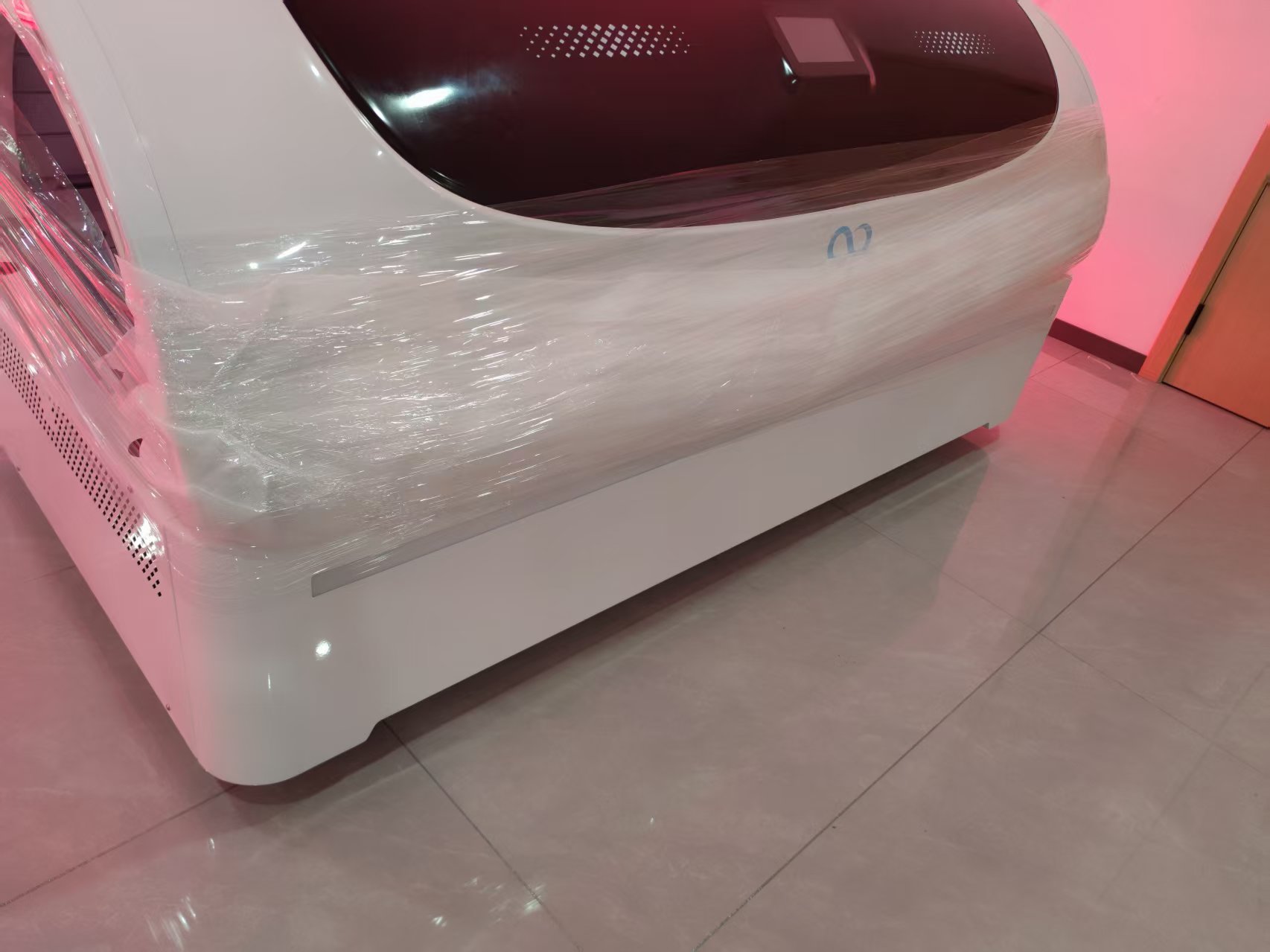
From a technical angle, part of the blame lies with inconsistent component quality. LED arrays vary; near-infrared emitters behave differently than red wavelengths in tissue. Photobiomodulation effects depend on both wavelength and power density, and yet clinics often follow one-size-fits-all protocols. I feel that we undervalue simple validation steps—spot checks, user flow tests, and clear training. Add poor scheduling and you get low adherence. — funny how that works, right? The fix isn’t glamorous but it changes patient trust and measurable results.
Future Outlook: Practical Steps and Evaluation Metrics
Looking ahead, I’m optimistic. If we pair better user research with stricter device verification, led light bed therapy can move from “maybe” to “reliable.” For instance, clinics can adopt routine irradiance mapping and document wavelength consistency across the bed. Manufacturers should publish real-world power density curves, not just ideal lab specs. From my view, transparency wins trust quickly. Short pilot programs that record patient comfort, session timing, and outcomes will reveal what actually works in practice. What’s next? Expect more modular beds with replaceable LED arrays and simple diagnostics—small shifts, big effects.
To choose a solution wisely, I recommend three core metrics: 1) Measured irradiance uniformity across the treatment surface; 2) Verified wavelength output (red vs near-infrared) with supporting dose guidelines; 3) User adherence data—how many completed sessions and reported comfort. I use these when I evaluate new setups, and they separate the useful from the merely flashy. Finally, I’ll say this plainly: technology alone won’t improve care unless we fix the human workflow around it. For reliable, human-centered options, consider exploring trusted providers like Magique Power.