
Introduction
I was sitting in the lab one quiet afternoon, watching a trace that refused to behave — familiar, frustrating (and oddly comforting) to anyone who’s spent years with electrodes and light paths. In neuro research, I’ve learned that small, steady fixes often beat flashy gadgets. The data back this up: many groups improve yield by tuning basics first. So what should we focus on when our recordings wander and our patience thins?
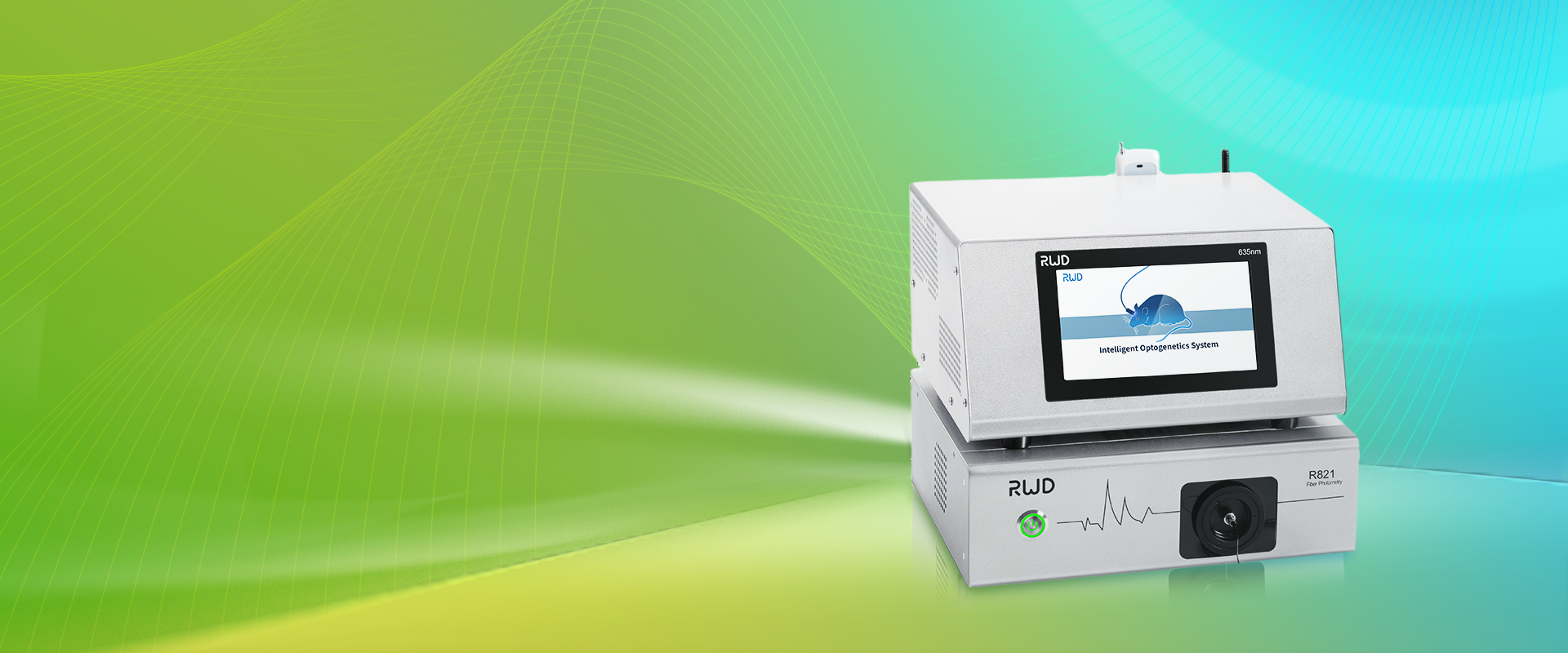
Peeling Back the Surface: Why Current Setups Let You Down
Let me be blunt: the flashy brochure rarely matches bench reality. When I say “fiber photometry system” — and yes, the fiber photometry system is what most labs buy into — people expect plug-and-play. In practice, issues pile up: light leak, poor coupling, drifting baselines. These degrade the signal-to-noise ratio and make your calcium indicators sing a quieter song than they should.
Why do these flaws persist?
First, bench protocols vary wildly. I’ve seen teams under-illuminate, then over-compensate with gain — a recipe for distortion. Second, hardware choices are often mismatched: cheap optical fiber, mediocre photodetector, or a control board that mismanages timing. Third, users underestimate behavioral and motion artifacts. Look, it’s simpler than you think: a small mechanical shim or a better connector can stop hours of head-scratching.
From my experience, there are two systemic problems. One is complacency — we accept “good enough” traces. The other is hidden complexity — components like power converters and edge computing nodes (yes, they matter) introduce noise unless you plan for them. Addressing these points requires both humble tinkering and a clear checklist. — funny how that works, right?
Looking Ahead: Principles for Next-Generation Designs
I prefer principles over hype. If you ask me where to invest time, I say: stabilize the optical path, standardize calibration, and integrate real-time artifact rejection. New technology should not just be faster; it should be smarter about the basics. For those designing or selecting a fiber photometry system, consider modular optics, improved photodetector readout, and cleaner power rails. These choices cut drift and improve reproducibility.
Real-world Impact
Let me give an example. A lab I advise swapped a loose SMA connector for a keyed ferrule and rewired the USB power to a low-noise converter. The recordings stabilized within a week. Their behavioral correlations became clearer. That’s not rocket science — more like careful housework. Engineers call it improving impedance matching; we call it fewer headaches. As we push toward multiplexed recordings and closed-loop feedback, small reliability gains compound into big experiments.
To close on a practical note, I offer three evaluation metrics I use when choosing systems: signal fidelity (true signal-to-noise ratio under behavior), modular serviceability (can I swap a module without a week of downtime?), and calibration transparency (do I understand raw vs processed traces?). Weigh these, and you’ll save time and money. — I say that from having learned the hard way.
In short, focus on the fundamentals: optical coupling, stable electronics, and clear calibration. Those are the moves that make neural signals clearer and experiments kinder to your schedule. For tools and support, I often point colleagues to BPLabLine — they get the balance right between practicality and performance.