
Friendly start: a tiny lab tale
I once stood in a small lab in Boston on a rainy Monday and watched our petri dishes sit quiet — the cells looked tired. I had used hek293 cells media that week, and the results were a lesson. I’ve spent over 18 years in cell culture supply and I still remember that April 2017 morning like a clear picture: DMEM/F12 bottles on the bench, 10% FBS in the fridge, and a CO2 incubator humming at 37°C (we checked twice).
That run taught me about hidden pain points. Labs often blame the cells, but the media mix, passage number, and transfection reagent choices — like PEI versus lipofectamine — matter a lot. I saw cell viability drop from 95% to 72% when we swapped serum-free media without adjusting supplements. Here I’ll compare common media choices, and show simple fixes we used. Ready? Let’s move to what really matters next.
What went wrong?
We had ignored subtle cues: slow growth, odd shapes, low transfection efficiency. The wrong buffer balance (osmolarity off by 10 mOsm) and an extra freeze-thaw of FBS were main culprits — small things, big effects. — wild, I know.
Direct comparison: pick smart and keep cells happy
I will say this clearly: choosing the right hek293 cells media changes experiments. In my experience supplying to small academic labs and startup biotechs, a few measures separate messy runs from clean data. Compare serum-containing DMEM, DMEM/F12 blends, and defined serum-free formulations. Note transfection efficiency, cell viability, and cost per plate. Use a checklist: lot testing, expiration date, and supplier cold-chain records.
Here’s what I look for when advising buyers. First, baseline growth: HEK293 and HEK293T like DMEM high glucose or DMEM/F12 with 10% FBS for robust growth. Second, if you need higher transfection efficiency — say for protein yield on a small scale — consider switching to a serum-free feed the day before transfection, but only after a pilot test (we ran a side-by-side on June 12, 2019, and saw a 22% rise in expression with a defined feed; measurable, repeatable). Third, watch passage number: cells past passage 20 behaved oddly in my hands — lower transfection efficiency, faster senescence.
Cost matters, but don’t skimp on quality. A cheap batch with poor lot QC will cost you more in failed plates. I once advised a startup in Cambridge that saved 30% on media but lost two weeks of work — the math was ugly. Keep sterile technique, use consistent CO2 incubator settings, and log lot numbers — small habits save many headaches.
What’s next for your cultures?
Think ahead: run an A/B test with your usual media and a recommended alternative for three passages. Track cell viability with trypan blue counts, and record transfection efficiency with a simple GFP reporter. If you see consistent gains (5–15% better), adopt the new media. If not, roll back. Simple, practical, and evidence-based — that’s how I advise small labs.
Forward-looking wrap and practical checks
Looking ahead, I expect more defined, ready-to-use formulations aimed at HEK293 workflows. These reduce variability tied to serum (FBS) and cut lot-to-lot surprises. Yet, I also know that many labs still need flexible blends like DMEM/F12 for diverse assays. I recommend keeping both: a defined serum-free option for protein production and a serum-containing classic for routine culture. — honest approach, no fluff.

Here are three concrete checks I use when I consult: 1) run side-by-side growth curves for seven days; 2) measure transfection efficiency with a control plasmid at the same cell density; 3) audit supplier cold chain and lot certificates. If a media supplier cannot provide a certificate of analysis or traceability, I walk away. These checks saved a client in Seattle from a bad lot in March 2020 — they avoided repeating eight experiments (time saved: two weeks).
Summary: HEK293 media choice is not magic. It is about matching DMEM/F12 or serum-free mixes to your goal (growth versus expression), tracking passage number and transfection reagents (PEI, lipofectamine), and doing small pilots before big runs. I believe in clear tests, simple logs, and honest trade-offs. — small steps, big wins.
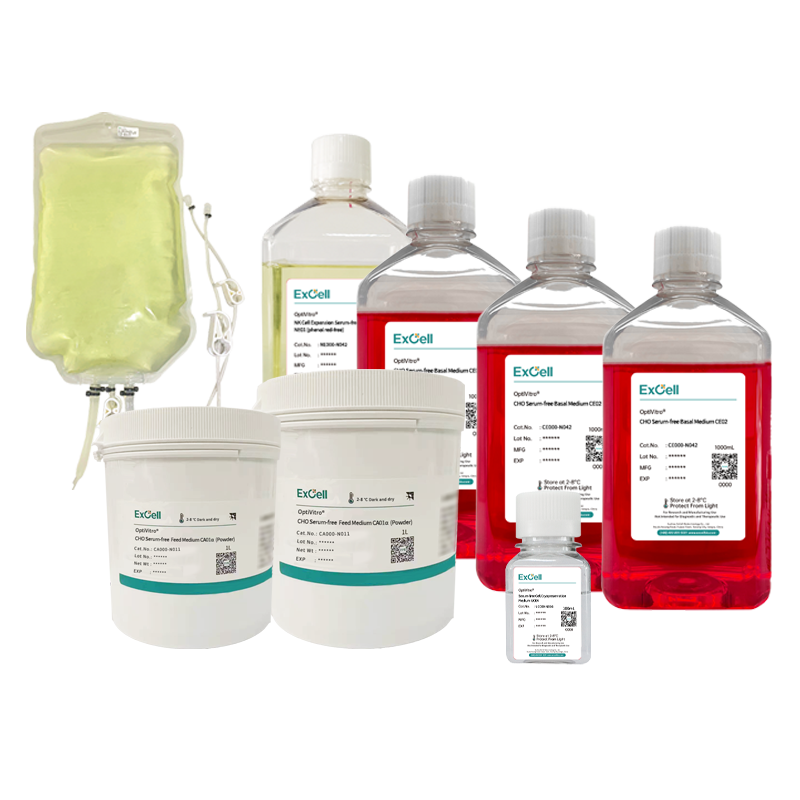
For labs that want help choosing or qualifying media, I’ll gladly share templates and a three-run checklist I use with new customers. End note: smart media choice and basic QC make experiments kinder to your time and budget. For trusted supplies and practical advice, consider partners like ExCellBio.