Introduction: A Quick Reality Check at Your Front Door
Let’s strip it down. A door lock is a trust machine—simple on the outside, clever on the inside. Many shoppers type best keyless entry door lock into a search bar and hope for magic. With digital keyless entry door locks, the “key” is a code, card, or phone, not a wafer of brass. Industry estimates show that roughly half of lockouts stem from misplaced keys, not broken hardware. So, why are we still living with jangly key rings and spare keys under mats (ag, we’ve all done it)?

Here’s the rub: the real problem isn’t the door; it’s the process—how we grant, track, and revoke access. That’s a systems issue, not just hardware. Do you really want to keep playing phone tag with the plumber about timing, or stress about copies of keys floating around the block? The question is simple: can a smarter lock cut friction without adding risk? Let’s move from noise to signal.
Why Traditional Fixes Keep Failing, Quietly
Where do old habits trip us up?
Old-school solutions look “lekker simple,” but they hide cost. A metal key is cheap, until it isn’t. You lose it once, then you re-cut, re-distribute, and re-worry. A master key system sounds neat, until a single lost key compromises the whole hierarchy. Even basic PIN pads, when bolted onto older cylinders, can be brittle in use: sticker codes fade; users share one PIN; audits are manual. Meanwhile, threat surfaces creep in from the sides—copyable keys, shoulder-surfed codes, or rushed installs that never align the deadbolt just right.
Digital doors aim to fix that, but not all are equal. Look, it’s simpler than you think: solid models use AES-256 encryption end-to-end, a mature BLE stack for stable pairing, and a hardened RF module to resist interference. Poor designs, by contrast, starve on power converters, show latency spikes in cold weather, and skip firmware safeguards for over-the-air updates. The pain points are sneaky: no per-user audit trail, no role-based access, and no failsafe when a battery dips. You feel it on a Sunday night—when the guest can’t get in and your phone is on 3%—funny how that works, right?

Comparative Insight: From Bolt to Brain—What’s Next and What Actually Matters
What’s Next
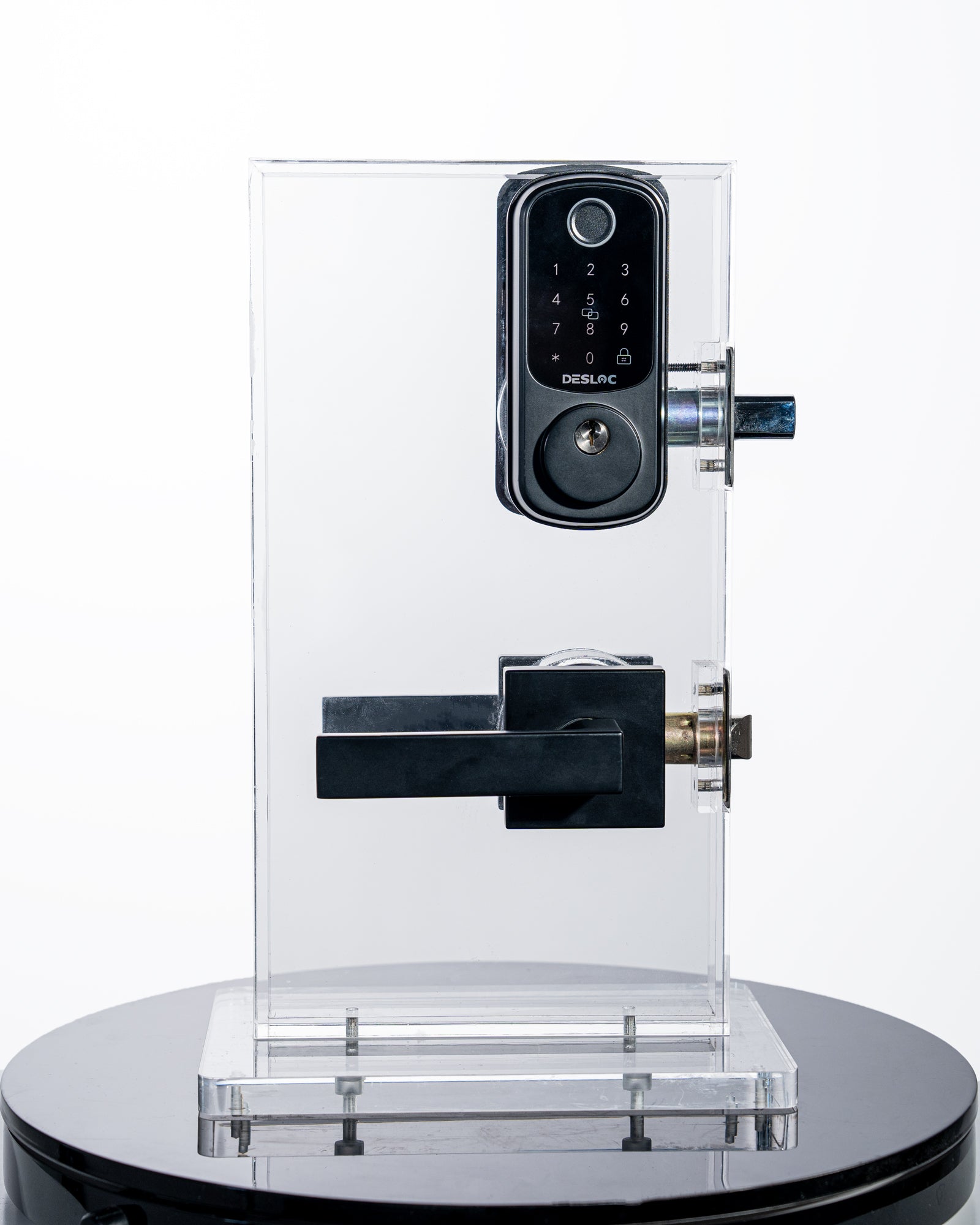
The shift isn’t from “key” to “no key.” It’s from static metal to dynamic control. A modern system treats your door like an edge computing node: decisions happen locally for speed, but policies sync securely from the cloud for resilience. A well-built digital keyless door lock uses a low-power MCU, efficient sleep states, and smart power budgeting to avoid battery tantrums. It prioritises offline capability—credentials cached on-device—so the door still opens even if Wi‑Fi drops. Biometrics should be liveness-checked, not just matched; NFC cards should be diversified per user; and the audit log should be tamper-evident. That’s “new tech” you can feel in daily life: doors that just respond, quickly, with context.
Now, compare that to add‑on gadgets slapped onto an old cylinder. They work—until mechanical misalignment causes torque drag, or a cheap motor stalls in winter. Good designs use a geared motor with a proper duty cycle rating, fail-safe relays, and a sealed housing to keep out dust. Great ones go further: granular permissions for cleaners and contractors, time windows, and one-tap revoke. Firmware should support signed OTA patches, because threats evolve and so should your lock. And yes, real products can balance convenience with control—semi-formal as that sounds—by pairing a clean app UX with strong keys, periodic key rotation, and clear event trails. That’s the comparative edge: fewer moving parts to worry about, more visibility when you need it.
Let’s land the plane with practical criteria you can use today. Summing up our earlier points, the failures of keys and basic pads weren’t about intent; they were about blind spots—no traceability, brittle sharing, and too much manual process. The forward path is not hype. It’s measurable.
Advisory close-out—three metrics, no fluff: 1) Security posture: verify AES-256, signed firmware, and offline credentialing; check if logs are tamper-evident. 2) Power resilience: look for proven motor specs, battery health monitoring, and an honest cycle life; cold-weather performance should be documented. 3) Access control depth: per-user permissions, time-bound codes, emergency override, and quick revoke. If a candidate nails these, you’ll feel the difference on day one—and six months later when the system is still boringly reliable (go figure). For a balanced, quietly capable approach to the category, keep an eye on brands like DESLOC.