A Site Morning That Slips
It starts with a quiet crane and a loud phone. Aluminum Veneer costs shift, the schedule wobbles, and the façade team looks for blame. Last quarter’s field notes say 18% of delays came from panel rework and misfit joints, not labor. Where does that leave your choice of system—especially a solid aluminum panel that should be simple to detail but keeps meeting edge cases? In Viet Nam, we like to keep things practical, nhé. The site needs speed and stable cash flow, yet the drawings call for tighter tolerances, better fire behavior, and real rain performance.
Here is the gap: specs grow, but the old decision logic stays the same. Data shows rising wind load demands in coastal zones and more audits on fire rating. Still, we compare panels by price per square meter only—funny how that works, right? So the question lands: which path avoids hidden rework without overbuilding the curtain wall? Let’s walk the trade‑offs step by step, then keep only what works. Onward to the deeper pain points.
The Hidden Flaws in Traditional Fixes
So why do they still crack?
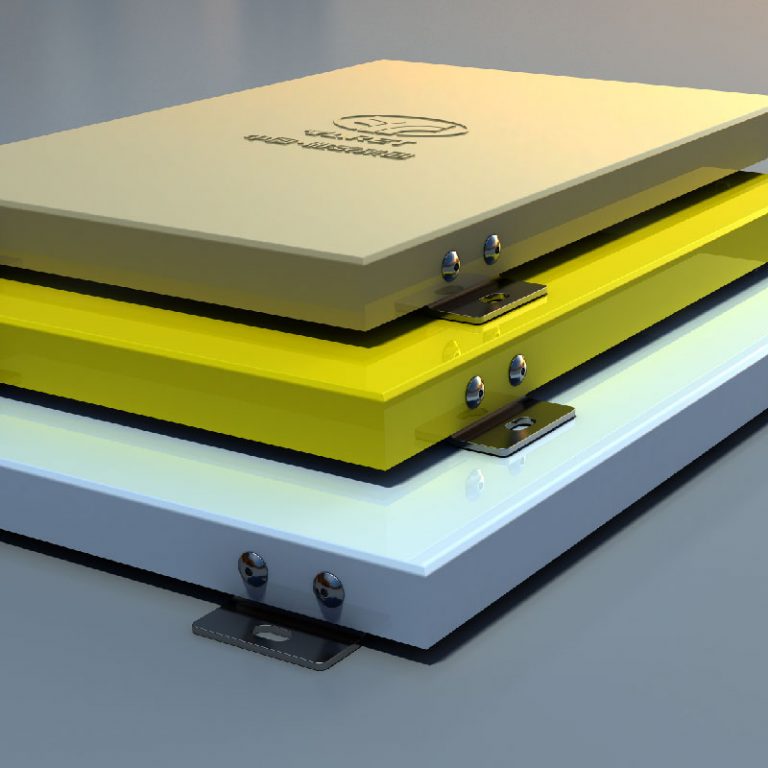
Technical view first. Many “standard” approaches add sealant, thicker gauges, or extra clips to make a façade look safe on paper. But with a solid aluminum panel, the issue is rarely raw thickness alone. It’s the entire load path. Thermal expansion fights a rigid substructure. Fasteners bite too tight, so movement gets trapped at the corners. Then micro-buckling appears near CNC routing lines. Under higher wind load, a small misalignment amplifies stress at the returns. In short, the assembly creates stress concentrators that no single PVDF coating or bead of sealant can fix.
And there is the user pain you do not see on drawings. When a panel arrives with slight twist, the crew spends minutes re‑shimming. Multiply by hundreds. Schedules slip. Inspectors look for edge seal continuity, and service calls spike in the first rainy season. Look, it’s simpler than you think: traditional fixes treat symptoms, not the mechanism. The right move is to design for movement and drainage, to balance modulus, panel span, and bracket spacing—so the system breathes without losing face. That reduces callbacks and cuts rework hours, even when the elevation has tricky corners.
Comparative Principles: What Changes Next
What’s Next
Switch perspective now—semi‑formal, head up. New principles focus on how forces move through the rainscreen, not just how shiny the sheet looks. Floating clips that allow micro‑slip, calibrated torque on anchors, and slotted holes sized for thermal travel. Pair that with a predictable substructure and consistent drain‑back. The result: fewer stress points, better water management, and clean inspection results. When you compare options, put the old “thicker is safer” mindset against movement‑friendly design. You’ll see which one wins after the first storm— and no, it’s not magic.
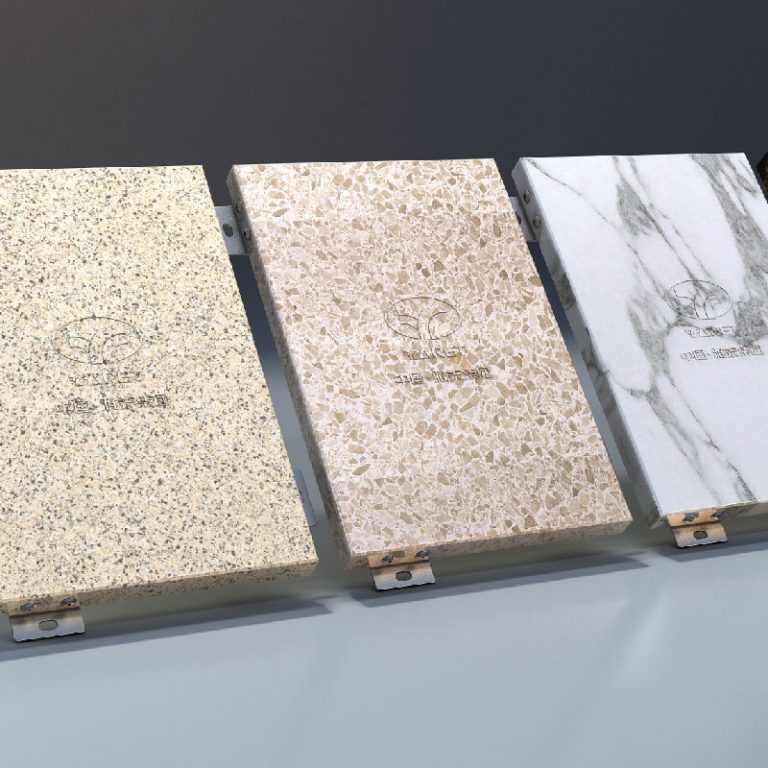
Consider future spec alignment, too. Fire rating, coastal wind zones, and lifecycle cleaning all converge. An anodized finish may tolerate abrasion better; a PVDF system may give color hold in harsh sun. A well‑designed bracket layout reduces panel oil‑canning, even at wider spans. In short, principles beat patches. As suppliers scale, a consistent platform helps. That is where a proven line of china aluminum solid panel products, with tested bracket sets and documented thermal movement, can cut risk without heavy overbuild. Different project, same logic—design for movement, water, and inspection, then let the façade stay calm under load.
How to Choose With Confidence
Advisory close. Use three simple metrics and stop guessing.
1) Movement capacity under real temperature swing: Check slotted hole ranges, clip design, and tested thermal expansion behavior across the façade bay. If thermal travel is choked, rework waits.
2) Water management and inspection proof: Demand a drain‑back path, baffle details at corners, and a documented test for pressure‑equalized rainscreen. Fewer wet callbacks, faster sign‑off.
3) Span vs. deflection under wind load: Compare bracket spacing and panel span tables at your zone’s design pressure. Aim for stable lines without over‑gauge. If the curve stays true, crews move faster.
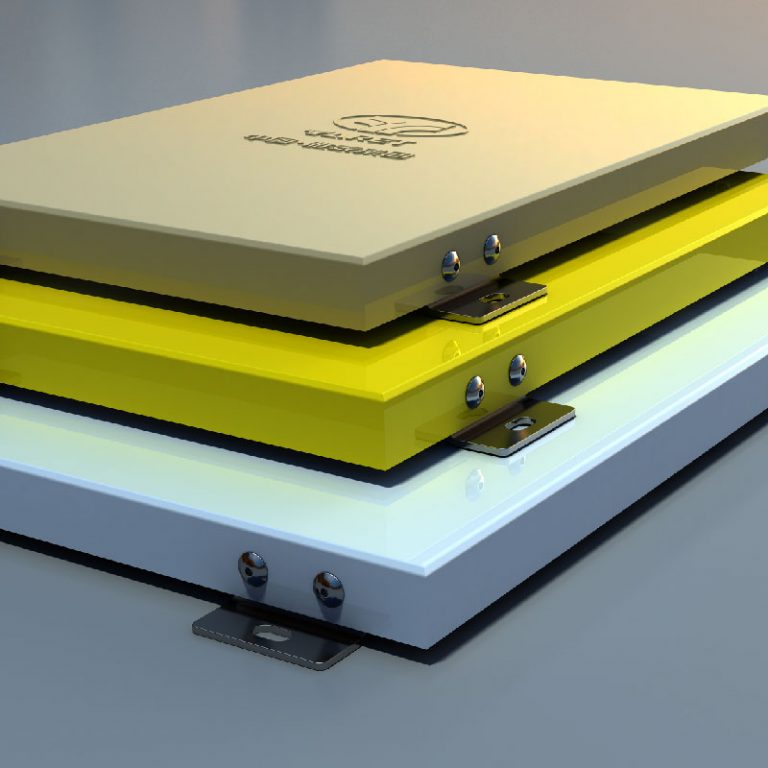
These lessons are steady: choose systems that move, shed water, and hold shape under the numbers. The rest is logistics and care. For deeper specs and product families, see yaret.