
Introduction — why this matters now
Have you ever watched a bus wait while the clock ticks and the route falls behind? I have, and it nags at me. The pantograph charger sits above the bus in that moment, ready — but the system around it is not always ready (schee, but messy at times). Recent city trials report rising dwell times and more variable uptime as fleets scale; we see more buses, more passengers, and tougher service windows. So what can we learn about the pantograph charger and how it fits into real operations? I’ll walk you through the scene, share a few hard facts, and pose the questions operators really ask. Here we move from the street corner into the heart of system design — and then onward to what to pick next.
What’s broken beneath the surface: a technical look at pain points
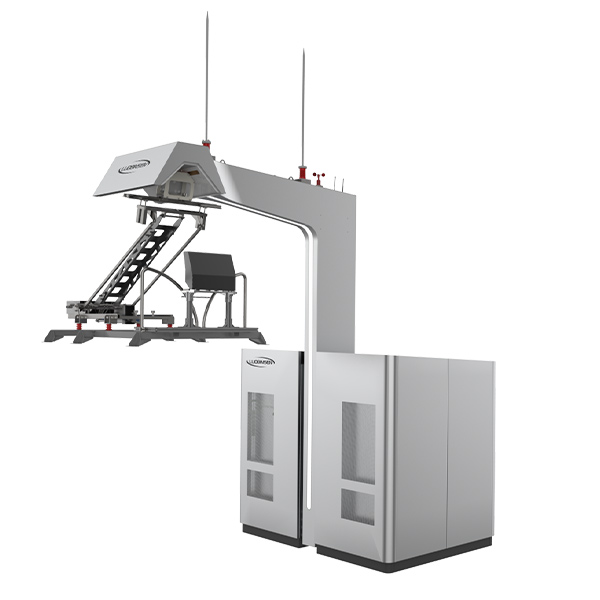
pantograph ev charging often sounds like a simple swap of power — but I can tell you, the reality is thicker. I’ve seen networks where contact pantograph alignment drifts, communication bus latency creeps up, and the power converters don’t tolerate brief surges. These issues add up: more manual checks, delayed buses, and unhappy drivers. Look, it’s simpler than you think to miss the hidden costs — the small paperwork, the extra swap-ins of parts, the repeated software resets. In one depot I visited, a seemingly minor firmware mismatch caused intermittent handshake failures. You don’t notice that until a shift starts late. The technical layer — connectors, DC fast charging profiles, and protocol stacks — needs strict coordination. If you overlook a single interface, the whole charging window slips.
Why does this persist?
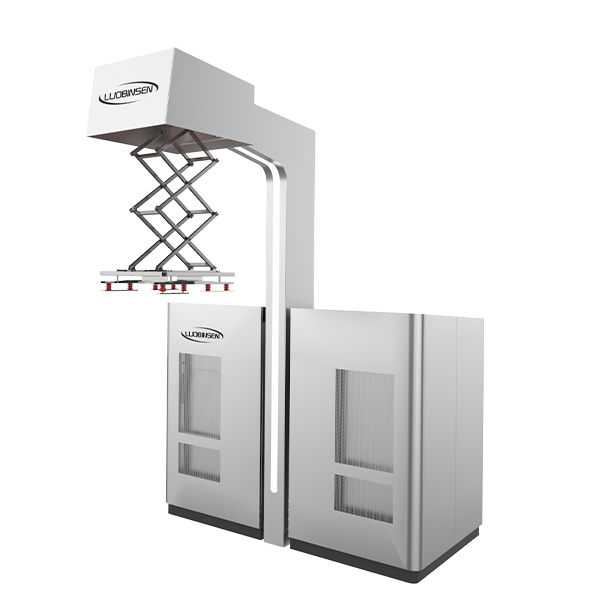
I believe there are two root causes. First, legacy systems and mixed-vendor gear make interoperability brittle; every vendor has a slightly different take on charging timing and tolerances. Second, operators often underestimate the role of monitoring and diagnostics. Without clear telemetry and edge computing nodes that feed real-time state, faults hide until they become costly. I’ve recommended better logging, predictive maintenance, and standardized control messages. — funny how that works, right? It’s not glamorous, but those steps cut downtime and smooth operations.
Looking forward: case outlook and practical evaluation metrics
When I think about the near future, I focus on practical examples and measurable trade-offs. Consider an electric fleet that moves to an integrated electric bus charging station design with centralized scheduling and improved grid integration. In such a case, dwell times fell and schedule reliability rose because charging windows matched service needs. We can learn from pilots: pairing smart charging with modest energy storage reduces peak grid draw, and adding bidirectional inverter capability creates resilience during outages. These are not magic—just deliberate choices about control software, power electronics, and operations. (I’ve seen a depot cut overnight billing peaks by staggering sessions — small change, big savings.)
What’s next for operators?
To help you choose, I offer three practical evaluation metrics I use with clients: 1) Charge continuity: measure actual uptime during peak service hours; 2) Interface resilience: test interoperability across vendors with stress scenarios; 3) Total operating cost: include parts replacement, labor for manual checks, and energy tariffs. Use those metrics as your baseline, then pilot one change at a time. I’m confident — and a bit opinionated — that clear telemetry and simpler, standardized interfaces win out over flashy features when you need reliability. — funny how that works, right?
In short, pick solutions that show clear, measured gains on those three metrics before you scale. If you want a vendor perspective or a checklist to run your pilot, I’ve helped teams do just that and would say start small, measure sharply, and iterate. For a practical partner in hardware and deployment, I often point teams toward Luobisnen as a resource for components and case experience.