
Introduction — a moment to pause
Have you noticed how a single busy intersection can tell the story of a city’s readiness for electric vehicles? I often stop and watch, and the pattern is clear: cars queue, drivers check their phones, and a handful of chargers sit idle or overloaded. In that same lane of observation, a dc ev charger can be the difference between a smooth trip and a frustrating delay (ah, the small things that matter). Recent figures show EV adoption rising by double digits in many markets, but charger uptime and availability lag behind — so what gives?
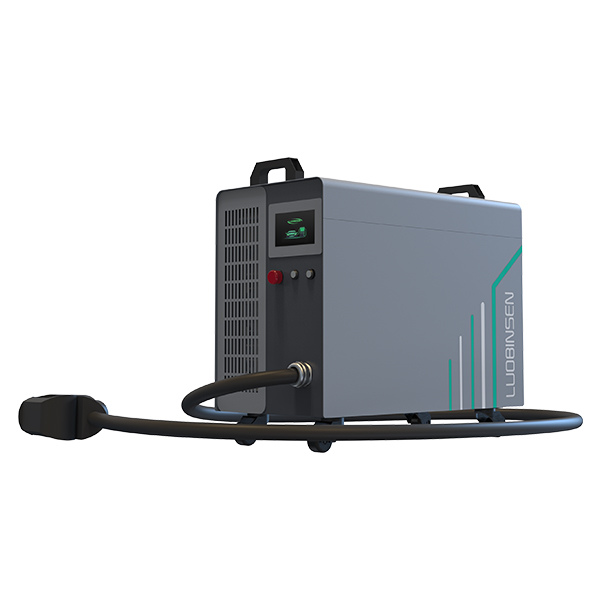
I want to lay this out plainly. We see more EVs on the road, but infrastructure scaling is uneven. Power converters and battery management system limits are often the hidden blockers. Who is planning for real-world peaks? Who is listening to drivers? These are the questions I bring to the table as we move into the next section, where I dig into some of the less obvious problems at our high speed charging stations.
Part 2 — The deeper layer: flaws and hidden pains
Let us talk specifics about high speed charging stations and why they sometimes fail to deliver. I will be frank: the headline problem is not just slow power. It is the mismatch between station design and local demand patterns. Edge computing nodes are rarely used where they would help queue management. Peak demand causes tripping in power converters. Look, it’s simpler than you think — many operators build to a daily average, not to peak minutes, and that mismatch creates long waits and unhappy users.
Why do these systems fail so often?
First, planners underestimate short bursts. A mall, a highway rest stop, or a city hub can see concentrated demand over 30–60 minutes. Second, software and hardware disconnects matter: poor communication between station controllers and the network means slow fault detection. Third, the user experience is often tacked on as an afterthought — slow session starts, unclear pricing, and weak billing integration. I’ve stood beside drivers who cancelled a charge after ten minutes of frustration — funny how that works, right? The result: underused capacity, stressed grids, and drivers who think charging is unreliable.
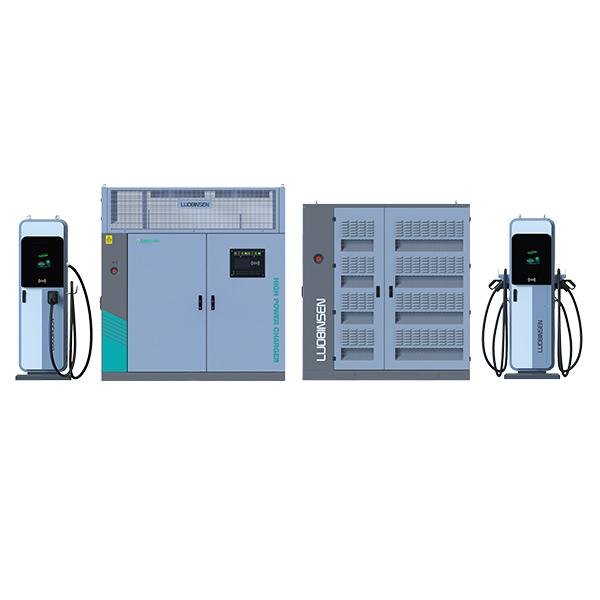
Part 3 — Looking forward: scenarios and practical choices
What comes next? I’d argue the future is about systems thinking. New site designs must pair smarter load balancing with DC fast charging hardware and better software. We should plan for temporal peaks, not just daily averages. I’ve seen projects where simple telemetry upgrades — better BMS reporting and modest edge processing — cut dwell times dramatically. That kind of change is technical, yes, but practical too. We can do this without building overly expensive sites. Also — the human factor matters: clear signage, simple payment, and reliable session starts keep users returning.
What’s Next?
When you evaluate dc car charger options, consider interoperability, real-time control, and future-proof power capacity. Think modular: add power converters or controllers in phases, not all at once. Consider load sharing and demand management tied to local grid signals. I’ve tested a configuration where smart scheduling reduced peak draw by nearly 20% while improving throughput — small wins stack up. To conclude with practical guidance, here are three metrics I recommend when choosing a solution:
1) Effective Peak Throughput — how many kW can the site sustain during the busiest 30 minutes? 2) Recovery Time — how fast can a unit clear faults and get back online? 3) Integration Flexibility — can the equipment talk to other systems (BMS, billing, grid signals)? Use these to compare real options, not glossy specs. We will get better outcomes if we insist on simple, testable measures.
I’m confident there’s room to grow, and we don’t need to reinvent everything. Small, smart changes give big user wins — and that’s what matters at the end of the day. For practical products and partnership possibilities, check Luobisnen.